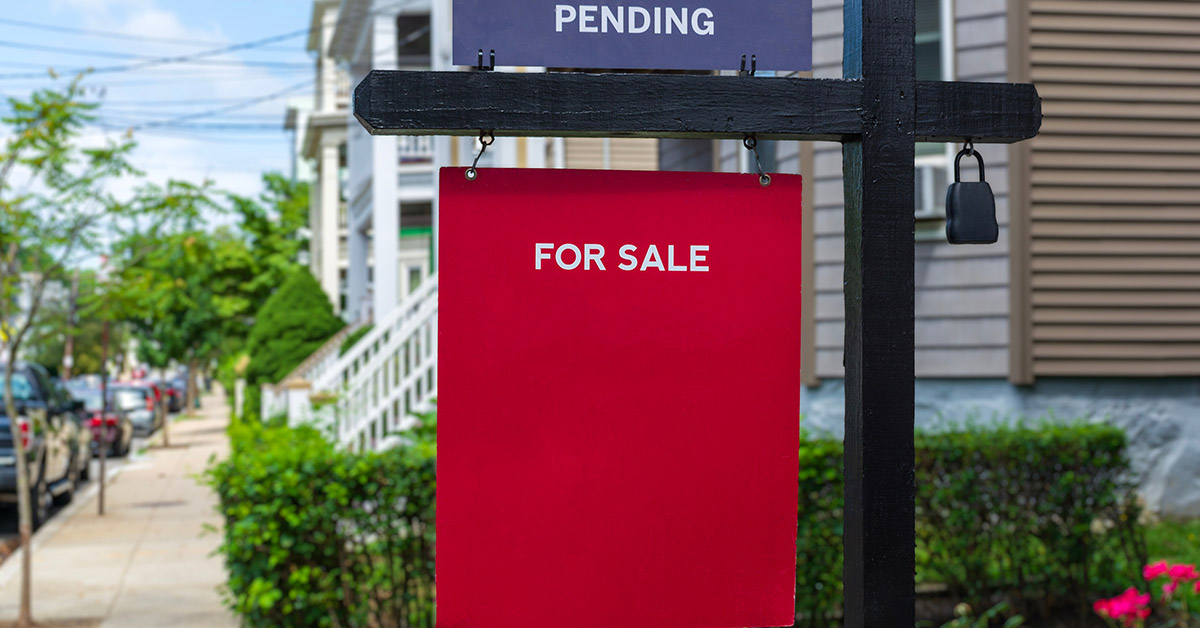
Frozen Pipes, Snow, and Showings: How to Sell a Massachusetts Home in Winter

Table of Contents
People sell homes in winter across Massachusetts every day. Boston does not shut down. Buyers still buy, attorneys still close, and moving trucks still show up in February like they lost a bet. What changes is the risk profile. Winter adds two problems you do not deal with in June. First, water damage from frozen pipes. Second, access and safety issues from snow and ice. If your home is older, vacant, or not well heated, those risks get louder.
This article walks you through what winter changes, what Boston-area buyers notice, and how to avoid the frozen-pipe surprise that can turn a normal sale into a disaster.
The winter sale mindset shift
In spring and summer, selling is mostly a presentation and pricing game. In winter, it becomes a protection game too.
You are not only trying to show the house well. You are trying to keep the house from getting worse while it is on the market.
That matters more than people expect, especially in Greater Boston neighborhoods with older housing stock like Dorchester, Roxbury, Jamaica Plain, Roslindale, Hyde Park, East Boston, and parts of Quincy, Malden, Medford, and Somerville. Older basements, drafty rim joists, and mixed pipe materials can all raise the chance of a freeze.
So the first “winter selling” decision is this: are you living in the home while it is listed, or is it vacant?
Vacant winter homes behave differently.
The frozen pipe surprise, and why it happens during a sale
Frozen pipes rarely burst at a convenient time. They burst when the temperature drops, the heat is set too low, and no one is watching.
Mass.gov’s extreme cold safety guidance points out simple preventive steps like wrapping pipes, letting a trickle of warm water run, and using safe thawing methods like a hair dryer, not an open flame.
Boston Water and Sewer Commission warns that when temperatures are extremely cold, interior pipes can freeze, and it recommends common sense precautions like knowing where your shutoff valve is, keeping cabinet doors open, and sealing openings where cold air leaks in.
Boston’s own cold weather safety tips echo the same idea: keep heat at a normal level and consider a slight drip from faucets to prevent freezing.
None of this is complicated. The problem is sellers often lower heat to “save money” while the house is vacant or while they travel. That is how you turn a manageable winter sale into a water-damage claim.
Insurance is part of winter planning, especially for vacant homes
If your home is vacant while you sell, the insurance conversation matters more.
The Massachusetts Division of Insurance recently warned that most homeowners insurance covers “sudden and accidental” water damage from a burst pipe only if the home was properly heated and not left unoccupied, and it urged homeowners to take winter precautions.
That does not mean every policy is identical. It does mean you should not assume you can turn the heat off, leave for a month, and still expect a smooth claim if something bursts.
If the house is vacant, call your insurer and ask what they require for heat settings, monitoring, and vacancy. That one call can prevent a nasty surprise later.
How to winterize a home before showings begin
You do not need to “winterize” like you are abandoning the property forever. You need to stabilize it so it can survive cold snaps without drama.
Start with heat. Keep the home adequately heated during extreme cold. That is one of the Division of Insurance recommendations for reducing frozen pipe risk.
Then focus on the spots that freeze first. Under-sink cabinets on exterior walls, basement pipes near drafty windows, crawl spaces, and any pipes near uninsulated rim joists.
BWSC recommends keeping cabinet doors open during cold spells so warm air can circulate around pipes, sealing openings that let cold air leak in, and knowing where the shutoff valve is.
If you want one “do this today” rule: find the main water shutoff and make sure you can turn it. In a burst situation, speed matters.

What to do if pipes freeze during the sale
Even with good prep, pipes can freeze. The key is responding safely.
Mass.gov advises opening faucets, removing insulation from the frozen area, and heating the pipe with safe methods like a hair dryer or towels soaked in hot water. It also warns never to use an open flame to thaw pipes.
Lexington’s local guidance says the same thing: safe heat sources only, and avoid open flame devices like blowtorches because they can cause pipes to explode and create fire risk.
If you are selling, you want to handle this fast and document the fix. Buyers and inspectors will ask what happened. A calm, documented response is always better than “we think it is fine now.”
Snow and ice change showings, and they can change liability
Winter showings are not only about curb appeal. They are about safety.
In Boston, snow removal is not optional. The city publishes rules and fines for failing to remove snow and ice from sidewalks, and the fines vary by property type.
For a seller, the practical issue is not just fines. It is the buyer who slips on your walkway during a showing, or the inspector who refuses to enter because the steps are a hazard.
If you list in winter, you need a plan for snow removal that works even if you are not living there. That can mean a plow service, a neighbor you pay, or a property manager. Whatever you choose, make it reliable.
Winter curb appeal is different, but it still matters
In winter, buyers judge your property in the first 30 seconds, and they do it under harsher lighting.
Dark afternoons, gray skies, and dirty snow can make a home look tired even if it is solid. That is why winter curb appeal is mostly about basics.
Clear the walkway. Salt it. Make the entry bright. Clean snow off steps and railings. Keep the porch light on. If the home is vacant, use timed interior lights so it does not look abandoned.
You do not need seasonal decorations. You need “this home is cared for.”
Winter inspections: what buyers focus on
Winter inspection conversations tend to be sharper because the season reveals problems.
Heating systems get tested hard. Drafts feel obvious. Ice dams and attic insulation come up. Basements show moisture more clearly. If the home has any water intrusion, buyers worry about what spring melt will do.
This is why winter is a good time to be honest about condition. If your home is a project, trying to present it like a turnkey property usually backfires. Buyers see through it.
If you price and market it correctly, winter buyers can still be motivated. In fact, many winter buyers want fewer bidding wars and less competition.
The winter closing timeline: the steps that slow sellers down
Winter does not change the legal process, but it can slow scheduling.
Two steps catch Boston area sellers repeatedly.
First, smoke and carbon monoxide compliance. Massachusetts states you need a certificate of compliance from the local fire department showing smoke and CO alarms meet requirements for a sale or transfer.
Boston’s Fire Prevention unit specifically tells sellers to apply for the Smoke and CO inspection as soon as they sign the Purchase and Sale Agreement.
In winter, inspection calendars can be tighter and failure rates can be higher because alarms get removed during renovations or vacancy. Schedule early.
Second, if the property is in Boston, BWSC lien certificates can affect closing timing. BWSC says the lien certificate application and fee must be filed at least 10 working days before closing to schedule a final meter reading.
BWSC also notes the lien certificate cost ranges from $25 to $150 depending on property type, and it should be presented at closing so accrued charges are paid.
In winter, “10 working days” becomes more important because storms can disrupt access and scheduling.
Listing vs selling as is in winter: what changes
Winter changes the cost of “getting the home ready.”
If you list traditionally, you may need to keep heat at a higher setting, keep utilities on, and pay for snow removal. You may also need to manage showings during weather events and keep walkways safe.
If the home needs work, the winter carrying costs can pile up fast. That is when an as-is sale becomes more appealing for many sellers. Not because it is the only option, but because it reduces time on market and reduces the chance of winter damage while you wait.
This is especially true for vacant properties, inherited homes, and rentals where the owner does not want to manage winter risk for months.
A realistic Boston-area winter selling story
Here is how winter sales usually go when they go well.
A seller in Dorchester has a vacant two family. They want to list in January. Before the first showing, they set the heat to a safe level, open under-sink cabinet doors during cold spells, and confirm the shutoff valve location. They hire a snow removal service so the walkway stays clear and avoids Boston fines and safety risk. They schedule Smoke and CO compliance early because Boston advises doing it right after signing the Purchase and Sale Agreement.
The result is not magic. It is predictability. The house stays stable, showings stay safe, and the closing does not get delayed by steps everyone could have handled earlier.

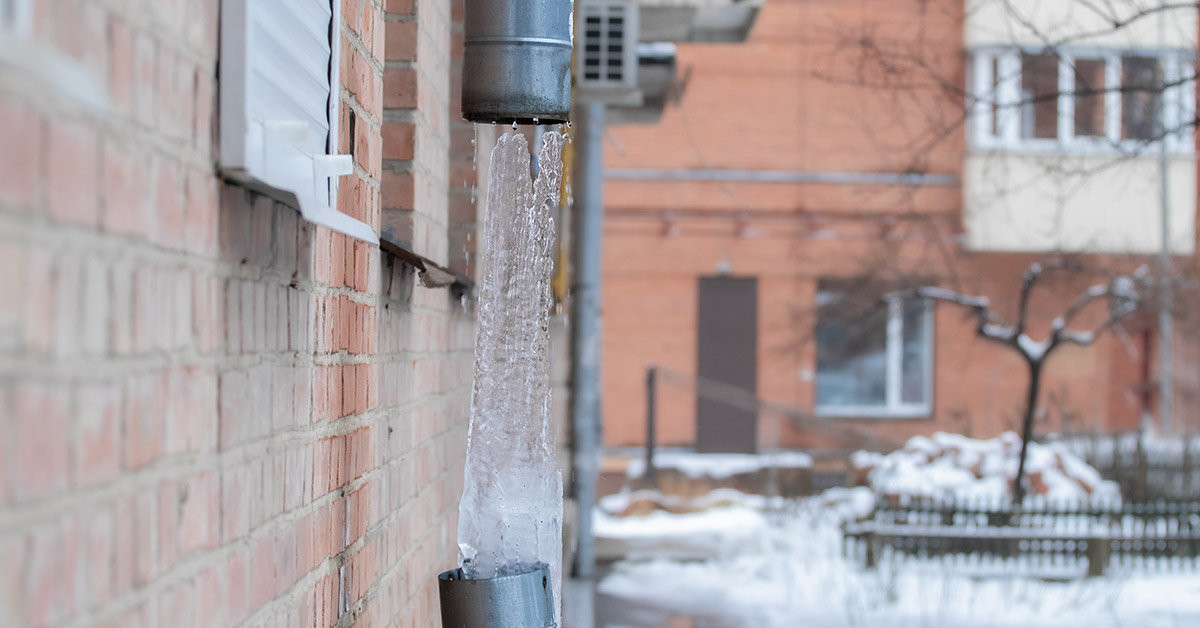 Selling a house after frozen pipe water damage in Massachusetts? Learn how burst pipes affect repairs, insurance, buyers, financing, and as-is sales near Boston.
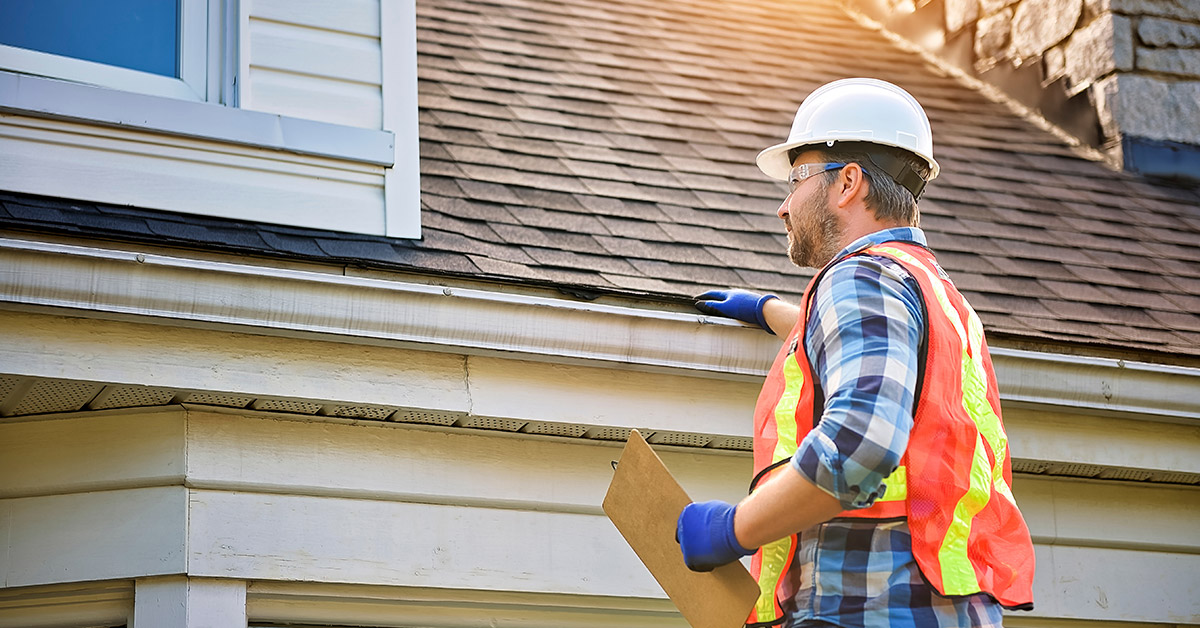 Do you have to fix your house before selling in Massachusetts? Learn which repairs may be worth making and when selling as-is could make more sense.
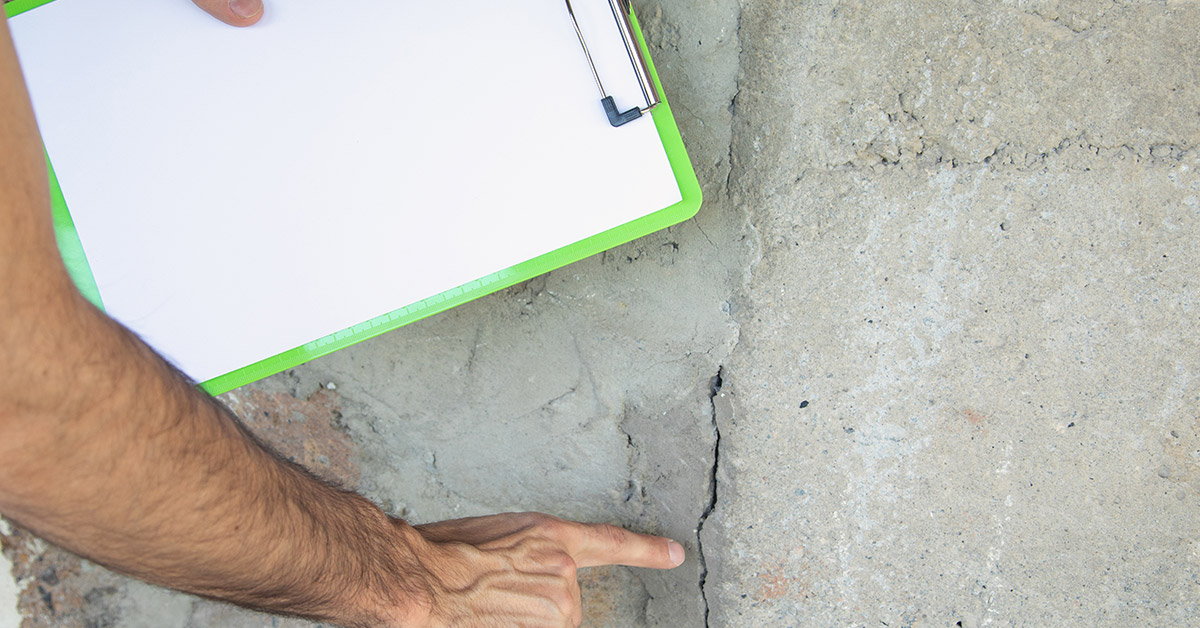 Can you sell a house with foundation problems in Massachusetts? Learn how structural issues affect inspections, repairs, buyers, value, and as-is sales.