How to Sell a Vacant House Before It Gets Damaged in Massachusetts

Table of Contents
A vacant house does not stay still. It may look quiet from the street. No lights on. No car in the driveway. No one coming or going. But inside, time is working. Pipes get cold. Gutters clog. Small leaks spread. Pests move in. Humidity builds. Paint peels. Basements smell damp. A loose shingle becomes a ceiling stain. A tiny problem becomes a repair bill with too many zeros. That is the danger of owning a vacant house in Massachusetts.
Empty homes can become expensive fast, especially around Boston and Greater Boston, where winter weather, older housing stock, high property taxes, insurance limits, and repair costs can turn a vacant property into a problem. A house in Dorchester, Roslindale, Hyde Park, Mattapan, Jamaica Plain, Quincy, Medford, Malden, Somerville, Revere, Brookline, Newton, or any nearby community may still have strong real estate value. But value does not protect the property from damage while it sits.
If you own a vacant house and know you do not want to keep it, the best time to make a plan is before something goes wrong.
Because vacant houses rarely get cheaper to own with time.
Why Vacant Houses Are Riskier Than Occupied Homes
When someone lives in a house, problems usually get noticed early.
A person hears water dripping. They smell smoke. They notice the heat stopped working. They see pests. They catch a leak under the sink. They realize a window is broken. They know when the basement takes on water after a storm.
In a vacant house, those warnings can go unnoticed for days, weeks, or months.
That is how small problems grow. A pipe freezes and bursts while no one is there. Water runs until someone checks the property. A roof leak drips into plaster. A sump pump fails. A raccoon finds an opening. A vandal breaks a window. Someone steals copper piping. Moisture causes mold.
The house may have been fine when the owner moved out, when the tenant left, or when the family inherited it. But an empty house has a way of aging faster.
Massachusetts weather does not help. Cold winters, heavy snow, ice dams, coastal storms, humidity, and freeze-thaw cycles can punish homes that are not watched closely.
An occupied home complains. A vacant home suffers in silence.
Winter Is the Biggest Threat in Massachusetts
Winter can be brutal on vacant homes.
If the heat is too low or fails completely, pipes can freeze. When frozen pipes burst, the damage can be severe. Water can ruin floors, ceilings, walls, insulation, cabinets, electrical systems, and personal belongings left behind. If the property sits for days before anyone finds the leak, the cleanup can become a major project.
Ice dams are another common issue. When snow melts and refreezes near the roof edge, water can back up under shingles and leak inside. Older roofs and clogged gutters make this worse.
Snow also creates access problems. If the walkway is not shoveled, the house looks neglected. If the driveway is buried, contractors and buyers may struggle to access it. If heavy snow sits on old roofing, structural stress can become a concern.
In Boston-area homes, old plumbing, older boilers, drafty windows, poor insulation, and unfinished basements can make winter risk worse. A house that was manageable while occupied may become fragile once empty.
This is why selling before winter, or before another winter, can be a smart move.
Waiting may feel harmless in September. By February, the house may have other opinions.
Insurance Can Become a Problem
Many owners assume their regular homeowners insurance will protect a vacant house the same way it protected the home when someone lived there.
That can be a dangerous assumption.
Insurance policies often treat vacant or unoccupied homes differently. Some policies limit or exclude certain coverage after a home has been empty for a set period. The exact rules depend on the insurance company and the policy. If the carrier does not know the home is vacant, or if the property has been empty too long, a claim may become more complicated.
This matters because vacant homes have higher risk. Insurers worry about vandalism, theft, water damage, fire, frozen pipes, and delayed discovery of problems.
If you own a vacant house in Massachusetts, call your insurance agent. Ask whether the current policy still applies, how the company defines vacant or unoccupied, whether coverage changes after a certain number of days, and whether you need a vacant home policy or endorsement.
This is not the most exciting phone call you will ever make. It may, however, be the one that keeps a bad day from becoming a financial disaster.
Vacant Homes Attract Attention
A vacant house can become a target.
The signs are easy to spot. Mail piles up. Grass grows too tall. Snow is not cleared. Lights never turn on. Trash bins do not move. Flyers collect at the door. The same curtains stay closed for months.
People notice. Neighbors notice. Vandals notice. Thieves notice.
Copper pipes, appliances, tools, fixtures, and even old radiators can attract theft. Broken windows can invite trespassing. A small act of vandalism can make the house harder to sell and more expensive to repair.
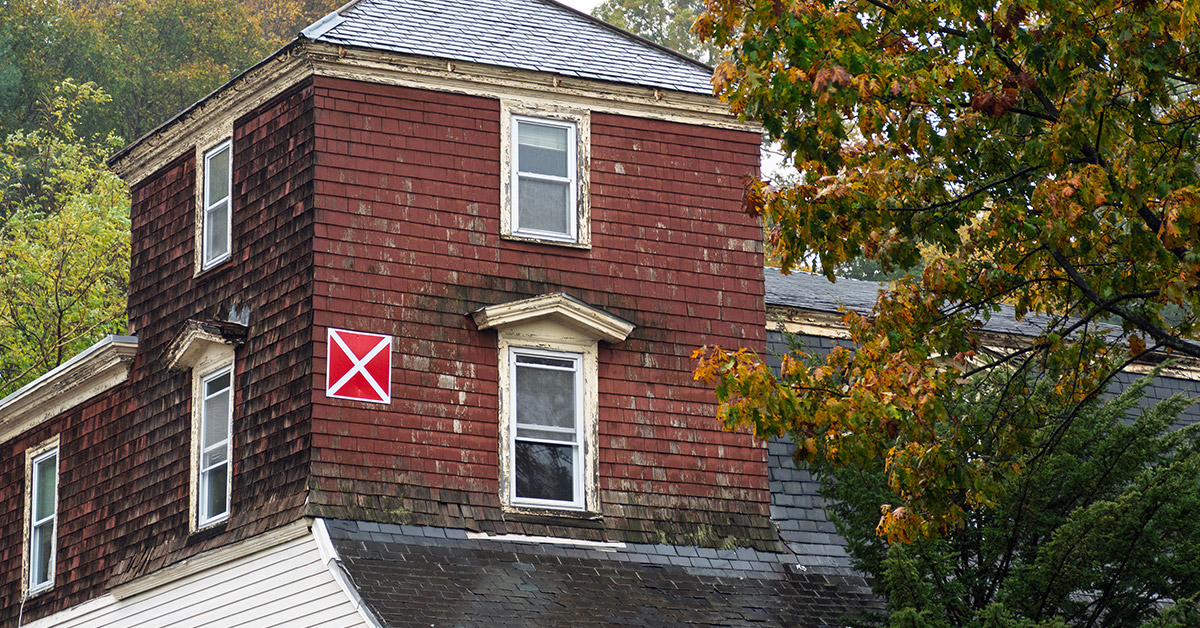
This risk is higher when the house already looks neglected. Peeling paint, broken fencing, overgrown landscaping, sagging porches, and old exterior damage send a clear message: no one is paying close attention.
For vacant homes in Boston and nearby cities, this can also affect buyer perception. A buyer who sees neglect outside may assume more damage inside. Even if the structure is solid, the first impression has already taken a hit.
A vacant home needs to look watched, even if no one lives there.

Carrying Costs Keep Adding Up
A vacant house costs money every month.
There may be a mortgage, property taxes, insurance, utilities, lawn care, snow removal, security, repairs, water bills, and general maintenance. If the property is part of an estate, probate delays may add more time. If it was a rental, lost rent may hurt cash flow. If it is in poor condition, each month may bring new repair concerns.
Owners often underestimate the cost of waiting.
They think, “We will sell it later.” Then later becomes another tax bill. Another insurance payment. Another utility bill. Another leak. Another contractor visit. Another family discussion that goes nowhere.
In Massachusetts, where property values are high but repair costs are also high, holding a vacant home can drain money fast.
This is especially true for older homes. A vacant newer home may sit for a while without much trouble. An older Massachusetts home with old plumbing, old electrical systems, damp basement conditions, aging rooflines, and outdated heating equipment needs more attention.
A vacant old house is not passive. It is a monthly invoice with siding.
Inherited Vacant Homes Can Be Hard to Manage
Many vacant homes become vacant after a death in the family.
A parent passes away. A relative moves into assisted living. An estate goes through probate. The house sits while family members decide what to do. One person wants to keep it. Another wants to sell. Someone lives out of state. Someone wants to sort every box. Someone else wants the process over.
While the family talks, the house waits.
Inherited vacant homes often have years of belongings, deferred maintenance, old systems, and missing records. The family may not know when the roof was last replaced, whether there are lead paint records, whether the heating system is reliable, or whether the insurance policy still fits the situation.
If the home is in Boston or Greater Boston, the land and location may have strong value. But the condition can change while everyone waits for agreement.
Families should not let the house sit for months without a clear maintenance plan. If no one can manage it, selling as is may be better than letting the property decline.
The house may hold memories. It still needs heat, insurance, and someone checking the basement.
Should You Repair the Vacant House Before Selling?
Sometimes repairs make sense before selling. Sometimes they do not.
Small repairs can help protect value. Fixing a broken window, clearing gutters, securing doors, cleaning up the yard, removing obvious trash, and keeping utilities stable can prevent bigger problems and improve buyer confidence.
Major repairs are different.
Replacing a roof, repairing water damage, updating electrical systems, fixing plumbing, removing mold, replacing a heating system, or renovating interiors can cost a lot. If the home is already vacant and the owner does not plan to keep it, the question becomes whether those repairs will return enough value to justify the time and expense.
For many older Massachusetts homes, one repair reveals another. You fix a leak, then find rot. You open a wall, then find old wiring. You replace flooring, then find moisture. Suddenly the “quick repair” has become a season of your life.
If the house needs several major repairs, selling as is may be the cleaner option.
Selling As Is Before More Damage Happens
Selling as is means the buyer purchases the house in its current condition. The seller does not agree to make major repairs before closing unless the contract says otherwise.
For vacant houses, this can be a practical path.
An as-is sale lets the owner avoid months of repairs, repeated showings, winterization worries, insurance questions, and the constant need to check on the property. The buyer looks at the house, prices the condition, and makes an offer based on what it needs.
This can work well for vacant homes that are inherited, outdated, damaged, cluttered, tenant-worn, or simply too much to manage from a distance.
For We Buy Old Properties, this is a natural fit. The company buys older homes and as-is properties in Boston and surrounding Massachusetts communities. If a vacant house needs repairs, has been sitting too long, or may get worse if it stays empty, a direct cash offer can give the seller a way to move before the next problem arrives.
The offer will reflect the home’s condition. But it can also remove the risk of waiting.
And with vacant houses, waiting is rarely neutral.
Why Cash Buyers Can Help With Vacant Homes
Cash buyers can often move faster than traditional buyers.
A standard buyer may need mortgage approval, an appraisal, inspection negotiations, repair requests, and a long closing timeline. A cash buyer may be able to close with fewer delays and fewer conditions.
That matters when the property is vacant.
Every extra week is another chance for a pipe to burst, a window to break, a roof leak to spread, or an insurance issue to appear. If the home is already costing money and no one is living there, speed has value.
A cash buyer may also be more comfortable with the property’s current condition. Older systems, damage, clutter, deferred maintenance, and repair risks may scare retail buyers but make sense to an experienced as-is buyer.
This does not mean a cash sale is always the highest possible sale price. A traditional listing may bring more if the home is clean, safe, financeable, and easy to show. But if the house is vacant, old, and starting to decline, the highest possible price may not matter if you lose months and money getting there.
The real question is what you net after time, repairs, risk, and stress.
What to Do Right Now If the House Is Vacant
If you are not ready to sell today, protect the property.
Keep the heat at a safe level during cold weather. Check pipes. Shut off and drain exterior faucets. Clear gutters. Remove snow. Secure doors and windows. Stop mail buildup. Keep the yard maintained. Visit the property often or hire someone local to check it. Confirm insurance coverage. Fix small safety issues before they become bigger ones.
If the house is already becoming hard to manage, get a sale plan in motion.
That may mean speaking with an agent, getting repair estimates, asking about insurance, checking title, gathering documents, or requesting a cash offer. The goal is to avoid waiting until damage forces your hand.
A vacant house gives warnings. The smart move is to act while you still have choices.

 Buyer financing falls through in Massachusetts? Learn what happens to the sale, deposit and closing, plus what sellers can do next.
 Low home appraisal in Massachusetts? Learn what sellers can do when an appraisal is below the sale price and how it may affect the deal.
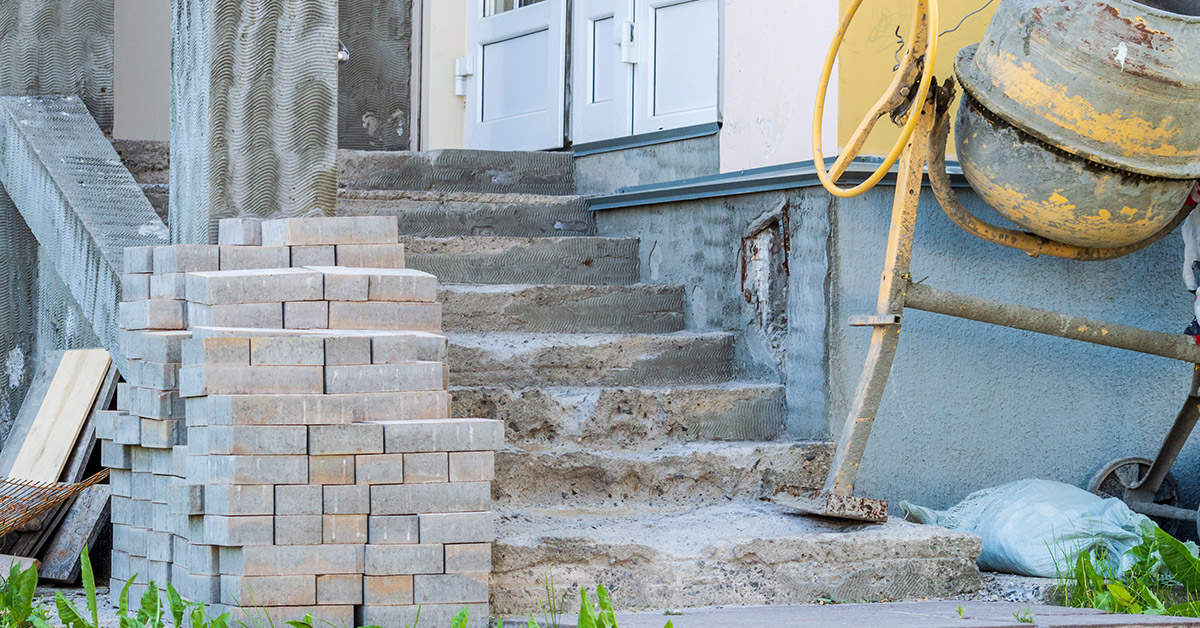 Can you sell a house with an unsafe porch in Boston? Learn how porch damage affects buyers, inspections, permits, financing, price, and as-is sale options.