
Sell a House With Water Damage in Massachusetts: What Buyers Ask and What to Do First

Table of Contents
Water damage has a special talent. It makes smart people do weird things. A pipe bursts and suddenly you are ripping out drywall at midnight. A basement seeps after a storm and you start Googling “foundation replacement” like it’s a casual weekend plan. Then you remember you were trying to sell the house, not adopt a new hobby. Here’s the good news. In Massachusetts, including the Boston area, people sell homes with water damage all the time. The deal does not fail because water happened. It fails when the seller looks uncertain, hides the story, or starts repairs that spiral.
Your goal is simple: stop the water, document the facts, decide the sale path, and keep the closing timeline clean.
This is general information, not legal advice.
What buyers in Greater Boston ask first
Buyers do not start with “How bad is it?” They start with “What does this mean for me?”
In Boston neighborhoods like Dorchester, Roxbury, Jamaica Plain, Roslindale, Hyde Park, East Boston, and parts of Quincy, Cambridge, and Somerville, buyers have seen water damage before. Older basements, tight lots, and winter freeze-thaw cycles create plenty of it. What buyers hate is mystery.
These are the questions that come up in almost every water-damage sale:
They want to know the source. Was it plumbing, roof, foundation seepage, ice dam, or a one-time event?
They want to know the timeline. When did it happen, and did it happen more than once?
They want to know the response. Did you dry it fast, remove damaged materials, and fix the source?
They want to know if mold is involved, or likely to be involved.
And they want proof. Receipts, photos, contractor notes, and anything that makes your story feel solid.
If you can answer those questions, you can sell. If you cannot, buyers assume the worst and price it that way.
What to do first, before you think about selling price
The first move is not “call a realtor” and it is not “call a cash buyer.” It is this: stop the water and stop the spread.
That means you identify the source and shut it down. Then you dry the affected area fast.
EPA guidance says the key to mold control is moisture control and that you should dry water-damaged areas and items within 24 to 48 hours to prevent mold growth.
Massachusetts guidance for owners says the same thing, including the 24 to 48 hour window and the order of operations: identify the moisture source, make repairs, then clean the mold.
The CDC also warns that if you cannot dry the home and contents within 24 to 48 hours after flooding, you should assume mold growth.
This matters for selling because mold turns a “water issue” into a “health fear” for buyers. You want to prevent that second layer if you can.
A quick word about insurance, because it changes your options
Some sellers need to decide whether to file a claim, repair, and then sell, or sell as is and move on.
The Massachusetts Division of Insurance has warned that most homeowners insurance covers sudden and accidental water damage from a burst pipe only if the home was properly heated and not left unoccupied.
Translation: if the house was vacant and you turned the heat way down, coverage questions can get real.
If you plan to file a claim, document everything early. Photos, dates, and what was affected. If you plan to sell instead, you still want documentation, because buyers will ask what happened.
The three sale paths that actually work for water-damaged homes
Most Massachusetts sellers end up choosing one of these paths.
Path 1: Fix it properly, then list for the widest buyer pool
This works best when the damage is limited and the fix has a clear scope. A supply line leak under a sink. A roof leak that needs flashing. A washer overflow that soaked a small area.
In this path, you fix the source, dry the area, remove damaged materials, and restore the space. Massachusetts has a step-by-step homeowner guide focused on moisture control and mold cleanup best practices, which can help you understand what “properly” looks like.
This approach can protect your price because it makes the property feel normal again. It also makes lender-backed buyers more comfortable.
The risk is scope creep. If the water issue hints at deeper problems, this path can turn into months of work.
Path 2: Fix the source, stabilize, then list as is
This is the most common smart compromise in Greater Boston, especially with older homes.
You fix the water source and make the home stable and safe, but you do not chase perfect finishes. You price the home for its condition and you disclose what happened.
This path works well when the house has other age-related issues and your buyer expects updates anyway. It also works well in multi families where buyers focus on overall structure and income potential, not a single stained ceiling tile.
Path 3: Sell as is to a buyer who takes on the project
This path often makes sense when water damage is tied to bigger issues, like chronic seepage, a major plumbing failure, long-term roof problems, or a vacant home that already needs work.
It can also make sense when you need speed, privacy, or a predictable closing date.
A cash buyer can remove the lender timeline and appraisal risk, which matters because some financed buyers cannot close if the home is not in finance-friendly condition. Just remember that cash does not erase title work or normal transfer requirements.

The mistake that traps sellers: repairing without a plan
Here is the trap.
You start repairs because you feel you “have to.” You open a wall. You find more damage. You keep going because you already started. Then you spend money and time you did not budget for, and you still feel stuck.
If you want to avoid that, treat water damage like triage:
Stop active water.
Dry and stabilize fast.
Then decide if you are restoring for retail buyers or selling as is.
Do not let the middle step become the whole movie.
Disclosure in Massachusetts: don’t play games with water damage
Massachusetts does not use a single mandatory seller disclosure form the way some states do, but disclosure still matters.
Mass.gov training material used in real estate education states that known latent or material defects must be disclosed.
It also ties disclosure problems to Chapter 93A consumer protection issues in real estate practice.
The practical Boston-area rule is simple: if you know about water damage that would matter to a buyer’s decision, do not lie about it, and do not try to cover it up. Buyers and inspectors find it. Then trust disappears.
A professional disclosure approach looks like this: what happened, when it happened, what you did, and what documents exist.
What buyers will ask for, and how to make it easy
If you want fewer back-and-forth requests, build a simple “water story” file.
Include before-and-after photos if you have them. Include invoices and receipts. Include any plumber or roofer notes. If you ran dehumidifiers and removed materials, note that. If the area dried within that 24 to 48 hour window, say so, because that reduces mold risk in a buyer’s mind.
You do not need to write a novel. You need to make the situation feel managed.
Boston closing delays to avoid, even if the water issue is handled
Water damage is not the only thing that delays Boston closings. Two predictable items catch sellers all the time.
Massachusetts says that if you are selling your home, you need a certificate of compliance from the local fire department showing smoke and carbon monoxide alarms meet requirements for a sale or transfer.
Boston Fire Prevention tells sellers to apply for the smoke and CO inspection as soon as they sign the Purchase and Sale Agreement.
If your property is in Boston, the Boston Water and Sewer Commission requires the lien certificate application and fee to be filed at least 10 working days before closing to schedule the final meter reading.
These are not water-damage issues, but they become timeline problems when sellers handle them late. If you want speed, start these early.
Pricing a water-damaged house in Massachusetts
Pricing is where sellers either protect themselves or invite endless negotiation.
If you fixed the source and restored the area, you can price closer to normal comps, assuming the home is otherwise in good shape.
If you stabilized but did not restore, you price it as a house with work remaining. Buyers will ask for credits if you pretend it is fully resolved.
If you sell as is with known water damage, you price for risk and scope. That can feel painful, but it can also be the fastest way to a clean exit, especially when holding costs and stress are already high.
In Boston, many buyers will pay for an older home that needs work. They just want the price to match reality.
A quick Boston-area seller story that shows the clean path
Picture a single family in Roslindale with a finished basement. A storm causes seepage and the carpet gets wet. The seller wants to sell in the spring.
The seller stops the water, runs dehumidifiers, removes wet materials, and dries the area fast. They address the exterior drainage issue. They document everything. Then they decide not to re-finish the basement fully. They list the home with clear notes and price for the fact that the basement finish is not “new.”
Buyers do not panic because the seller can explain the event and the fix. That is what moves deals.

 Uninhabitable house in Massachusetts? Learn how condemnation orders, repairs, and financing affect selling your property as-is.
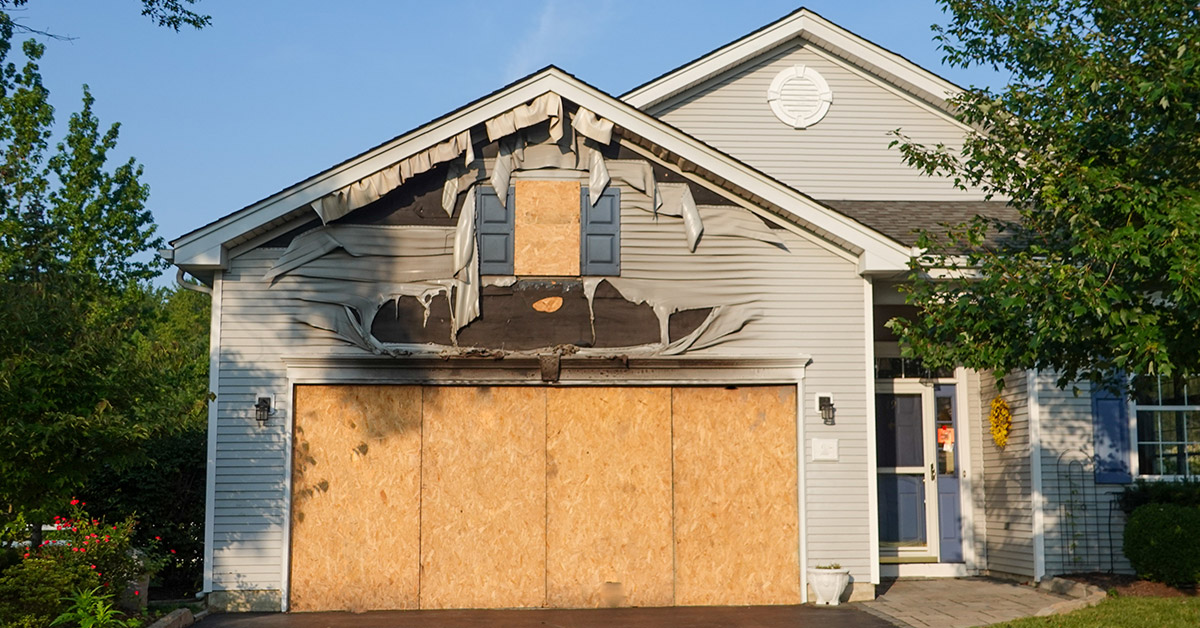 Collapsing garage in Massachusetts? Learn how repairs, demolition, inspections, and financing affect selling your house as-is.
 Failing retaining wall in Massachusetts? Learn how repairs, permits, inspections, and financing affect selling your house as-is.