
Selling a House With an Old Roof in Massachusetts: Replace It or Price It In?

Table of Contents
In Greater Boston, buyers will forgive a dated kitchen. They will forgive ugly carpet. They will even forgive a weird pantry door that opens into another door, because Boston housing has personality. They do not forgive an old roof the same way. A roof hits buyers in the gut because it signals risk. Risk of leaks. Risk of mold. Risk of bigger hidden damage. Risk of the lender saying “no” at the worst possible time. So if your roof is old, curled, patched, or near the end of its life, you have a real decision to make before you list or accept an offer.
Do you replace it. Do you price it in. Or do you sell as is and let the next owner handle it.
This guide walks you through that choice in plain English, with Boston-area reality in mind.
What buyers in Massachusetts actually ask about an old roof
Most sellers assume buyers only care about age. Age matters, but buyers usually ask a tighter set of questions, especially in Boston where buyers and inspectors move fast.
They want to know if there are active leaks or water stains, and whether the leak history is ongoing or “fixed once.” They want to know what kind of roof it is, asphalt shingles, rubber, membrane, slate, metal. They want to know if the flashing was done correctly around chimneys, skylights, and vent stacks. They want to know how the attic breathes, because poor ventilation can shorten roof life. They want to know whether there are multiple layers of shingles, because it affects replacement cost and can affect inspection outcomes. They want to know if there is any warranty and whether it transfers.
Then comes the real buyer question that controls your deal.
Can I finance this house without the roof becoming an underwriting problem?
A financed buyer usually has less flexibility than a cash buyer. Even if they love the property, their lender can force the issue if the roof looks like a near-term failure.
Roof lifespan reality in New England
You will see a lot of numbers online, but here’s the simple baseline that matches what most buyers believe.
Asphalt shingle roofs are often expected to last roughly 20 to 30 years, depending on installation, ventilation, and weather exposure.
Metal roofs often run much longer, commonly described in the 40 to 70 year range.
Boston and coastal Massachusetts can be harder on roofs because of wind, salt air, freeze-thaw cycles, and ice. That means buyers tend to assume the “lower end” of lifespan if your roof has obvious wear.
If your roof is 23 years old and looks good, you might be fine. If it is 17 years old and looks rough, buyers will treat it as end-of-life.
The decision most sellers should use: replace vs price in
Instead of guessing, use this simple test.
Replacing usually makes sense when the roof is actively leaking, when the roof condition blocks financing, or when the rest of the house is positioned as retail-ready and the roof is the one thing dragging it down.
Pricing it in usually makes sense when the roof is old but stable, when there are no active leaks, and when your buyer pool will still compete because the home has other strengths, like location, layout, parking, or rental potential.
Selling as is often makes sense when the roof is one of many major issues, when the home needs bigger repairs anyway, or when you want speed and certainty more than maximum price.
The mistake is doing a half-measure that satisfies nobody. A quick patch that does not solve the core issue can still spook buyers and still lead to credit requests.
The cost reality in Massachusetts
Roof replacement pricing can swing a lot based on size, pitch, access, layers, and material.
This Old House estimates Massachusetts roof replacement projects commonly range from about $5,748 to $17,575, with an average around $7,361, depending on roof size and material.
That range can climb fast for complex Boston roofs, buildings with difficult access, slate, or structural repairs. But it gives you a starting point for decision making.
Here is the point that matters for selling.
You are not deciding whether a roof costs money. You are deciding whether you would rather pay the roof cost yourself, or let a buyer pay it by discounting your price, or by demanding a credit, or by walking away.
The hidden costs of replacing before you sell
Even if you can afford it, replacing a roof right before selling has costs that sellers forget.
You might need permits and inspections. You might lose time waiting for scheduling. You might open up decking issues that add scope. You might pay for snow removal, tarping, or temporary protection if the job hits bad weather.
In Boston, even repairs can involve permitting. Boston’s permitting guide for roof repairs says homeowners and contractors can apply for a short-form permit for repairing an existing roof when no structural changes are needed, and it notes you must hire a contractor when the work is on a three-family or bigger dwelling, including a multi-unit condo or a floor of a triple decker.
That matters because many Boston “homes” are in fact triple deckers, multi-unit condos, or mixed-use buildings. If your property falls into those categories, your ability to DIY a roof repair is limited and your timeline may depend on contractor availability.

When replacing the roof is the smartest move
Replacing is usually the right call in a few common Boston-area scenarios.
First, you have active leaks or visible water intrusion. If you list with active leaks, you invite inspection drama, buyer fear, and possibly lender friction. You also invite the worst kind of negotiation, the kind where the buyer assumes there is more damage than you can see.
Second, the house is otherwise retail-ready. Think updated systems, solid cosmetics, and a price point where buyers expect turnkey. In that lane, a tired roof stands out like a missing tooth.
Third, you are targeting owner-occupant financed buyers. These buyers often bring the highest offers, but they also bring the tightest rules. A roof that looks close to failure can become a finance problem, even if the buyer loves the house.
Fourth, you have a flat roof or low slope roof that has reached the end of its service life. Boston multi-family buyers often look at flat roof condition first because the cost and risk feel immediate.
If replacing the roof moves you from “cash buyers only” to “everyone can buy it,” the math can work in your favor.
When pricing it in is better than replacing
Pricing it in can be a smart move when your roof is old but not actively failing.
This is common in Boston because many roofs show age but still do their job. Buyers will still ask for a discount, but a controlled discount can be cheaper than a full replacement, especially if the buyer would have replaced it with a different material anyway.
Pricing it in works best when you can support your story with facts. A recent roof inspection. Clear photos. Evidence of no active leaks. A clean attic view. A history of maintenance.
It also works well when your home is already positioned as “needs updates.” If the buyer expects work, an old roof becomes part of the overall renovation plan rather than a sudden emergency.
When selling as is is the clean exit
Some houses should not get a new roof from the current owner.
If the property needs a roof plus electrical plus plumbing plus major interior work, adding a roof can be like putting new tires on a car with no engine. It feels responsible, but it may not change the buyer pool enough to justify the cost.
Selling as is often makes the most sense for older properties, inherited homes, vacant properties, or landlord properties where speed and certainty matter. In those cases, buyers who take on projects price the roof into their numbers from day one.
This is where We Buy Old Properties style buyers tend to fit. The seller wants a clean exit, not a construction season.
Permits and timing in Boston: what sellers should plan for
If you decide to replace or repair, plan for the paperwork.
Boston’s roof repair guidance calls out the short-form permit route for repairs that do not involve structural changes.
Boston also provides a broader permitting guide through Inspectional Services that explains the overall building permitting and inspection process.
Even if your contractor handles the permits, timing still affects your sale. If you wait to replace the roof until after you accept an offer, you can end up renegotiating timelines and carrying costs.
Disclosure: what you should not mess up
Massachusetts disclosure rules can be confusing because people hear “buyer beware” and think it means “say nothing.”
In practice, known material defects still matter, and misrepresentation can create real legal risk. Massachusetts real estate education materials emphasize that known latent or material defects must be disclosed.
Roof leaks are a classic example of a material issue that buyers care about. If you know the roof leaks and you pretend it doesn’t, the deal can go from “sale” to “problem” fast.
The professional approach is simple. Be honest about what you know, document what you did, and avoid guessing.
The Boston neighborhood reality: buyers assume different things
In Back Bay and the South End, condo buyers often assume building management has a plan for roofs and reserves, and they ask for documents.
In Dorchester, Roxbury, Mattapan, East Boston, and Hyde Park, two-family and triple decker buyers often assume roofs are a known cost, but they price aggressively if the roof looks urgent.
In Jamaica Plain, Roslindale, and West Roxbury, single-family buyers often have tighter tolerance for a roof that looks like a near-term replacement, because they are already stretching their monthly payment.
So “replace or price it in” is partly a property question and partly a buyer pool question.
How to avoid getting trapped in roof decisions
If you want to make a clean choice without spiraling, do three things.
Get a roof inspection or evaluation from a reputable pro and ask one blunt question: is the roof leaking now, and is it likely to fail soon?
Get at least two price ranges: one for repair, one for replacement. Roof pricing in Massachusetts varies, and you want a realistic number, not a guess.
Then decide your selling lane. Retail listing lane or as-is lane. Trying to do both is where sellers burn time and money.
 Buyer financing falls through in Massachusetts? Learn what happens to the sale, deposit and closing, plus what sellers can do next.
 Low home appraisal in Massachusetts? Learn what sellers can do when an appraisal is below the sale price and how it may affect the deal.
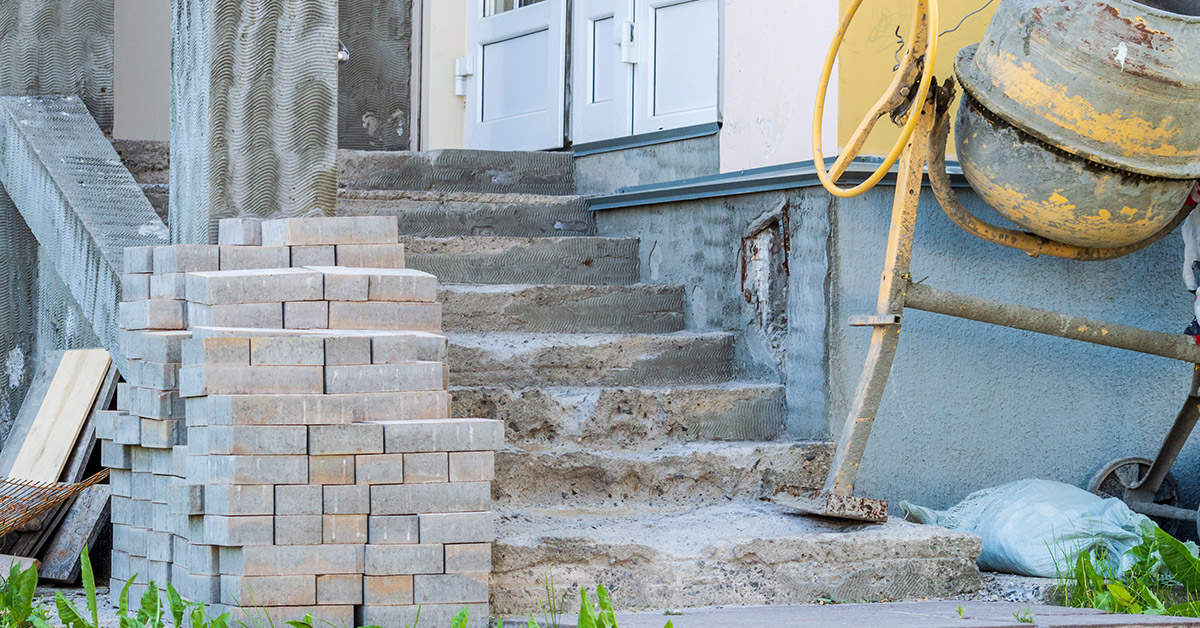 Can you sell a house with an unsafe porch in Boston? Learn how porch damage affects buyers, inspections, permits, financing, price, and as-is sale options.