
Selling a Two Family in Boston: Tenants, Timelines, and What Buyers Want

Table of Contents
If you own a two family or a triple decker in Boston, you already know the truth. These buildings print opportunity when they run smoothly, and they print stress when they do not. Maybe you bought it years ago in Dorchester and it helped you build a life. Maybe you inherited it and now you have tenants, repairs, and family members texting you like you are a property manager. Maybe you live on the first floor and rent the other units, and you are tired of the late-night “the heat is weird” calls. When you decide to sell, you are not selling a normal house. You are selling income, risk, and a story about how the building works.
The good news is that Boston has deep demand for multi family properties. The tricky part is that buyers ask smarter questions than they used to, and the process has Boston specific steps that can slow you down if you ignore them.
This is the simple playbook that gets deals closed.
Start with the one decision that controls everything
Before you talk price, decide who you are selling to.
In Boston, multi family buyers tend to fall into three buckets.
First, owner occupants who want to live in one unit and rent the others. These buyers often care about unit condition, safety, and whether the building can pass a lender’s requirements.
Second, investors who want stable rent and a clean transfer. These buyers care about leases, deposits, payment history, expenses, and whether the building has headaches hiding in the basement.
Third, value add buyers who want a renovation play. These buyers care about layout, systems, and upside. They can tolerate more condition issues, but they will price the risk in.
If you know your buyer, you know your path. If you skip this, you end up marketing to everyone and closing with no one.
Your rent story needs to be clean before your listing is live
Multi family sales die when the rent story is fuzzy.
Buyers will ask: Who lives where? How much do they pay? When does the lease end? What is included? Do they pay on time? Is there a deposit? Is there last month’s rent?
You do not need a spreadsheet that looks like a corporate budget. You need a simple, believable file. The minimum is leases, rent amounts, and a payment history that does not feel like guesswork.
Security deposits matter more than most sellers realize. Massachusetts explains that if the landlord sells the property or no longer owns or manages it, the landlord must transfer the tenant’s security deposit, including interest, to the new owner or manager. The new owner then has 45 days to give the tenant written notice that they received the deposit and where it is being held.
That is not a small detail. If deposits are handled sloppily, buyers get nervous. Buyers get nervous and they either lower the offer or slow the timeline.
Showing occupied units without starting a war
Boston buyers want to see units. Tenants want privacy. Both are reasonable.
Massachusetts law is clear about why a landlord can enter. Chapter 186, Section 15B allows entry to inspect, make repairs, or show the premises to a prospective tenant, purchaser, mortgagee, or their agents.
The statute does not give you a “show up whenever” pass. The practical move is to schedule showings in predictable windows, give notice in writing, and keep it respectful. If you treat tenants like obstacles, they act like obstacles. If you treat them like humans, many will cooperate.
If your building is tenant occupied and you want the least friction, set the showing rhythm early. Buyers like structure. Tenants like structure. Chaos helps nobody.
Decide early if you are selling tenant occupied or delivering vacant
This is a major fork in the road.
Selling tenant occupied can be the easiest path when tenants pay, leases are clear, and you want a buyer who values stable income. It can reduce turnover risk and it avoids the scramble of trying to empty the building on a deadline.
Delivering vacant can increase your buyer pool and sometimes your price, especially if owner occupants want the building. It can also create problems fast if tenants refuse to leave, if your notices are not correct, or if your timeline is tight.
If your building is a classic Boston triple decker and the units are dated, selling tenant occupied often makes more sense. If the units are updated and you want top dollar from owner occupants, vacancy can matter.
There is no universal answer. There is only the answer that matches your tenant situation and your tolerance for delay.
Pricing a two family or triple decker in Boston
Pricing multi family property in Boston is not like pricing a single family home.
Some buyers look at comparable sales first. Others look at rent potential and expenses. Many do both.
Condition still matters, and Boston buyers do not forgive fantasy pricing. Redfin’s February 2026 Boston housing market snapshot shows a median sale price around $806K and average days on market around 53 days. That is not “multi family only,” but it is a useful signal. Buyers are taking time, and they are comparing options.
If your building needs work, price it like a building that needs work. If you price it like a renovated property, you will get renovated expectations. That leads to inspection fights, price reductions, or silence.
The best pricing strategy is the one that attracts the right buyer group fast, not the one that looks best in your head.

The Boston closing steps that surprise multi family sellers
Multi family sales have the usual closing steps, plus a few Boston specific ones that can delay you if you start late.
Smoke and carbon monoxide compliance
Boston requires smoke and carbon monoxide detector inspections for most residential sellers, and the city recommends applying as soon as you sign the Purchase and Sale Agreement. Massachusetts also states you need a certificate of compliance from the local fire department for a sale or transfer.
For multi family buildings, this can mean more devices, more chances to fail inspection, and more scheduling complexity. Do not leave this to the last week.
BWSC lien certificate for Boston properties
If your building is in Boston, the Boston Water and Sewer Commission requires the lien certificate application and fee to be filed at least 10 working days before closing to schedule a final meter reading. BWSC also notes the lien certificate cost ranges from $25 to $150 depending on the property type and is presented at closing to ensure accrued charges are paid.
This step is easy when you plan for it. It is painful when you discover it after everyone already picked a closing date.
Deed excise tax
Massachusetts deed excise is a real seller cost. The state’s directive explains the rate is $2.28 per $500 of consideration, with the excise paid by the person who signs the deed by affixing stamps. The Suffolk County Registry’s calculator describes the same effective rate and notes the under $100 rule.
It does not usually delay closing, but it impacts net. Multi family sellers should plan for it early so the numbers do not surprise them.
The title and municipal issues that kill deals late
Boston multi family properties often have history. Refinances, old HELOCs, old discharges, family transfers, and contractor work.
If your buyer’s title review finds unresolved issues, your timeline can slip.
Municipal charges matter too. Massachusetts law says a tax collector must provide a certificate of taxes and certain other charges that constitute liens on the property within ten days after a written application, excluding weekends and holidays.
In real life, that means your closing team may request municipal lien information and payoff figures. If you have back taxes or unpaid charges, they will surface.
The professional move is to talk to your closing attorney early, especially if you suspect any liens, estate issues, or missing paperwork. Fixing title problems is easier before you are under contract.
When selling as is to a cash buyer makes more sense
There are moments where listing is not the smart move.
If the building has major repairs, if it is vacant and at risk, if tenants make access difficult, or if you want a predictable closing date, a cash sale can reduce the number of steps and the number of ways the deal can fail.
Cash does not remove the need for clear title, and it does not remove Boston requirements like BWSC lien certificate timing or smoke and carbon monoxide compliance. What it can remove is the lender process and the appraisal bottleneck. For properties that are not finance friendly, that matters.
The trade is simple. You may trade some price for speed and certainty. For many multi family owners who are done managing the building, that trade is worth it.
A simple Boston multi family sale story that shows the playbook
Picture a triple decker in Dorchester. Two units are rented, one is vacant. The building is solid but dated. The owner wants out.
The owner gathers leases, rent ledger, and deposit records. They set showing windows that tenants can live with. They schedule Boston smoke and carbon monoxide inspection early, because Boston recommends doing it right after the Purchase and Sale Agreement is signed. They file the BWSC lien certificate request early enough to meet the 10 working day requirement.
Then they choose a buyer type that matches the building. In this case, an investor buyer who values stable rent and accepts the dated condition.
Nothing about that sale is flashy. That is why it works.
 Do you have to fix your house before selling in Massachusetts? Learn which repairs may be worth making and when selling as-is could make more sense.
 Can you sell a house with foundation problems in Massachusetts? Learn how structural issues affect inspections, repairs, buyers, value, and as-is sales.
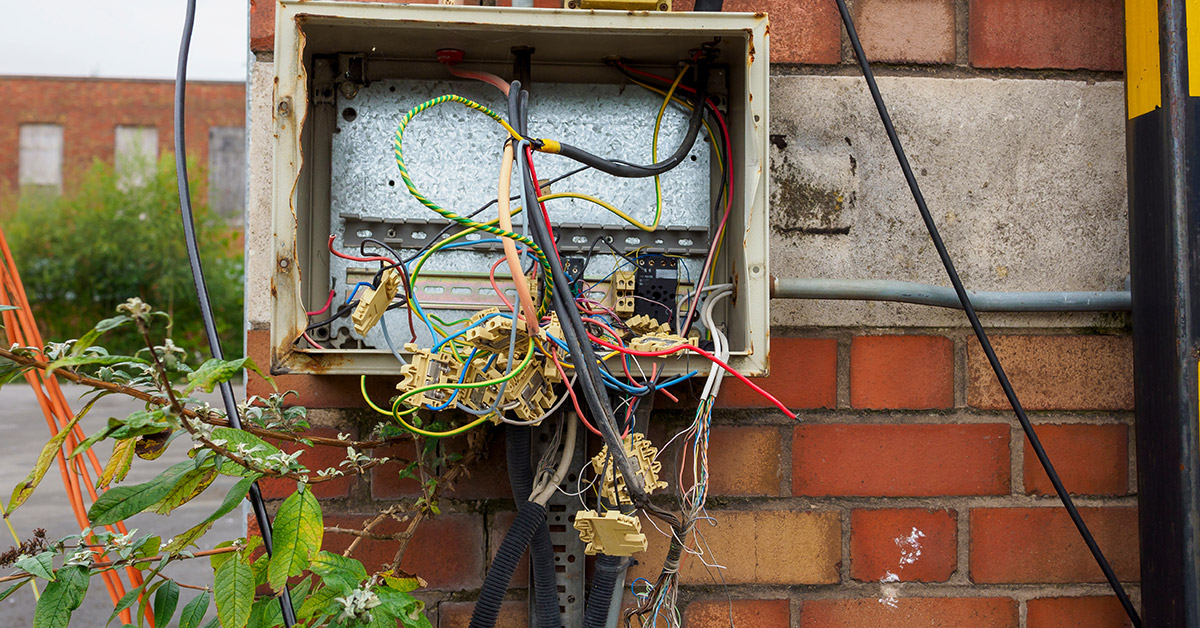 Selling a house with old electrical wiring in Boston? Learn how outdated wiring affects buyers, inspections, financing, price, and as-is sale options.