Can You Sell a House With an Unfinished Renovation in Massachusetts?

Table of Contents
- Table of Contents
- Can You Sell a House Before the Renovation Is Finished?
- Why Do Homeowners Sell in the Middle of a Renovation?
- What if Your Contractor Walked Off the Job?
- Can You Sell a House With an Unfinished Kitchen or Bathroom?
- What if Walls, Floors, or Ceilings Are Still Open?
- Can an Unfinished Renovation Affect a Buyer’s Mortgage?
- What if the Renovation Has an Open Permit?
- What if Some of the Work Was Done Without a Permit?
- Should You Finish the Renovation Before Selling?
- How Much Should You Spend Before Listing?
- Will an Unfinished Renovation Lower the Sale Price?
- Should You Get Contractor Estimates Before Selling?
- Can You Sell a House With an Unfinished Renovation As-Is?
- Traditional Listing or Direct Sale: Which Makes More Sense?
- When Does Selling Before Finishing the Renovation Make Sense?
- Selling an Unfinished House in Greater Boston
- Frequently Asked Questions About Selling a House With an Unfinished Renovation
- You Do Not Have to Finish Every Project Before You Sell
Starting a home renovation can feel like the beginning of a better property. But renovations do not always go according to plan. A contractor may leave before the work is finished. Costs can climb beyond the original estimate. A kitchen may be demolished and never rebuilt. A permit may remain open. Or a homeowner may simply decide that finishing the project is no longer worth the additional time, money, and stress.
If you are dealing with an unfinished renovation in Massachusetts, you may wonder whether you have to complete the work before you can sell the house.
The short answer is no. You do not necessarily have to finish a renovation before selling your home. A house with incomplete work can potentially be sold, including in as-is condition. However, the extent of the unfinished construction, permit status, inspections, safety concerns, buyer financing, and cost of completing the project can all affect your options.
Before putting more money into the property, it is worth comparing what it would take to finish the renovation with what selling the house in its current condition might look like.
Can You Sell a House Before the Renovation Is Finished?
Yes. A renovation does not necessarily have to be completed before a Massachusetts homeowner sells the property.
The more important question is what condition the house is currently in and whether a buyer is willing and able to purchase it that way.
There is a significant difference between a house that needs paint, trim, or cabinet hardware and one with exposed walls, disconnected plumbing, unfinished electrical work, or a partially constructed addition.
The further the property is from normal living condition, the smaller the pool of conventional buyers may become.
An unfinished renovation can also raise questions about permits, inspections, financing, insurance, and how much additional work the next owner will need to complete.
That does not necessarily make the property unsellable. It simply means the homeowner needs to choose a selling strategy that fits the property’s actual condition.
Why Do Homeowners Sell in the Middle of a Renovation?
Renovations stop for many reasons.
Sometimes the project becomes significantly more expensive after construction begins. Opening walls can reveal aging electrical systems, plumbing problems, structural damage, water intrusion, mold, or other conditions that were not included in the original budget.
In other situations, the contractor may stop showing up, go out of business, or disagree with the homeowner about the cost or scope of the project.
Life can also change during construction. A job relocation, divorce, inheritance, financial problem, or family situation may make completing a months-long renovation impractical.
Whatever the reason, homeowners should not assume that because they have already invested money in the project, they have to keep spending until everything is finished.
Sometimes completing the renovation makes financial sense. Sometimes selling the property in its current condition is the more practical choice.
What if Your Contractor Walked Off the Job?
A contractor abandoning a renovation can leave a homeowner with an especially difficult property to manage.
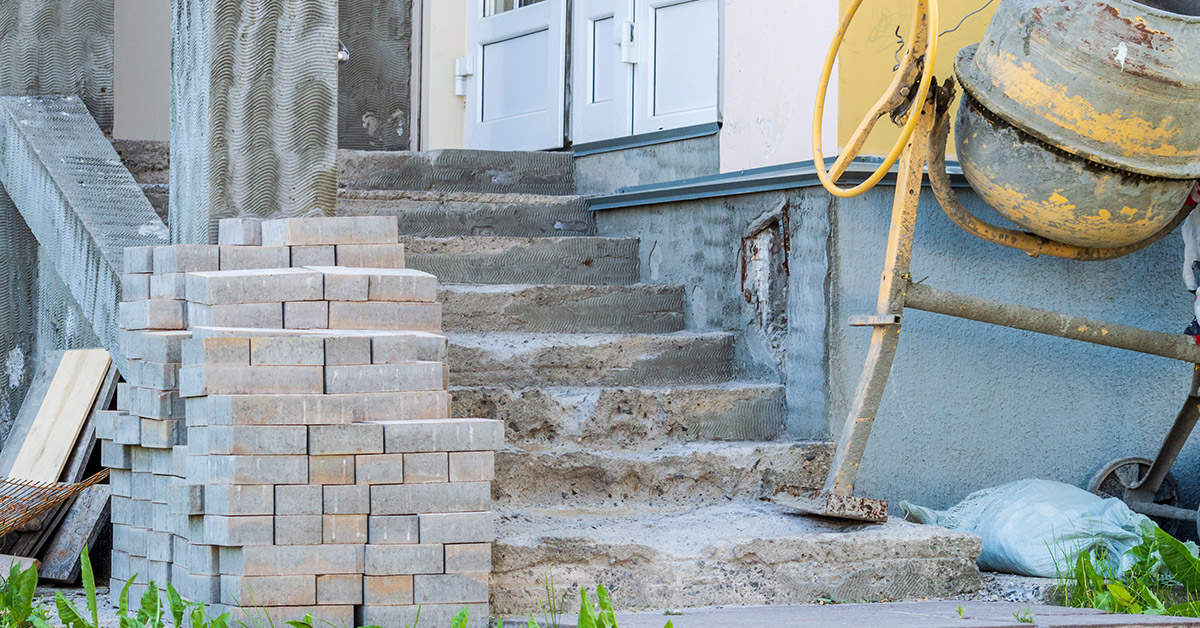
There may be demolished rooms, exposed walls, unfinished plumbing or electrical work, construction materials throughout the house, and permits that were opened but never completed.
Before immediately hiring another contractor, determine exactly what remains unfinished. Gather contracts, invoices, plans, permits, inspection records, and any other documentation connected with the project.
It may also be helpful to obtain estimates from other contractors so you understand what completing the renovation could realistically cost.
If the cost is significantly higher than expected, compare that expense with what the property might sell for in its current condition.
Homeowners dealing specifically with an abandoned construction project can also read How to Sell a House After a Contractor Walked Off the Job for additional considerations before deciding whether to restart the project or sell.
Can You Sell a House With an Unfinished Kitchen or Bathroom?
Potentially, yes.
An unfinished kitchen or bathroom can be particularly challenging because these rooms are essential to how most buyers evaluate whether a home is livable.
A kitchen missing cabinet hardware or backsplash tile is very different from a kitchen with no countertops, sink, appliances, or functioning plumbing.
The same applies to bathrooms.
A partially completed cosmetic remodel may still appeal to conventional buyers who are comfortable finishing a few projects themselves. A bathroom with exposed plumbing, unfinished electrical work, or missing essential fixtures may create greater concerns.
The condition may also influence whether a buyer can obtain financing.
For that reason, sellers should not automatically assume that completing the kitchen or bathroom will produce a dollar-for-dollar return. Get estimates first and compare the likely cost with the effect the completed work could have on the property’s value and marketability.
What if Walls, Floors, or Ceilings Are Still Open?
Partially demolished rooms can make a home more difficult to sell through a traditional listing.
Open walls may expose electrical wiring, plumbing, insulation, framing, or structural components. Missing flooring, unfinished ceilings, or construction debris can also make it harder for buyers to picture themselves living in the house.
More importantly, unfinished construction may raise safety and inspection concerns.
Massachusetts provides consumers with information about residential home inspections and the state’s current inspection requirements. Buyers may use an inspection to better understand observable conditions and systems within a property.
For a seller with an unfinished renovation, that means obvious incomplete construction may become an important part of a buyer’s evaluation of the house.
Can an Unfinished Renovation Affect a Buyer’s Mortgage?
It can.
A buyer may love the property and be completely willing to finish the renovation but still encounter financing difficulties depending on the condition of the house and the requirements of the particular loan.
Significant unfinished construction may raise concerns during the lending and appraisal process.
A missing piece of trim is unlikely to be viewed the same way as an unusable kitchen, exposed electrical wiring, missing plumbing fixtures, or major incomplete structural work.
This is one reason houses with extensive unfinished renovations can attract a different buyer pool than move-in-ready properties.
Cash buyers do not depend on mortgage approval in the same way, although that does not mean every cash buyer will value the property equally or ignore significant property issues.
Sellers should compare the certainty, costs, timeline, and expected net proceeds of different offers rather than looking only at the headline purchase price.
What if the Renovation Has an Open Permit?
This is one of the first things a homeowner should investigate before listing a house with an unfinished renovation.
If the renovation required permits and construction stopped before final inspections, a permit may still be open.
An open permit does not automatically mean the house cannot be sold. However, it can create questions about what work was completed, whether required inspections occurred, what remains unfinished, and what the local building department may require before the permit can be closed.
Do not assume that hiring someone to finish a few remaining items automatically resolves the issue.
The requirements can depend on the work performed, permit status, applicable building requirements, and municipality.
WBOP’s guide to open permits and code violations in Massachusetts explains these issues in greater detail, including how unresolved permits can affect a home sale.
What if Some of the Work Was Done Without a Permit?
This can make the situation more complicated.
A homeowner may discover that a previous owner finished a basement, added a bathroom, moved walls, modified electrical service, or completed other work without obtaining permits that may have been required.
Or the homeowner may discover that part of the current renovation was completed without appropriate approvals.
Do not assume that the solution is simply applying for a permit after the work has already been completed. Depending on the project and municipality, additional documentation or inspections may be required.
This is another reason to investigate permit history before investing significant additional money in finishing a renovation.
If you are uncertain about the status of the work, contact the appropriate local building department or a qualified professional familiar with the municipality.
Should You Finish the Renovation Before Selling?
Sometimes finishing the renovation makes sense.
If the remaining work is limited, relatively inexpensive, and likely to make the house substantially easier to sell, completing it may be worthwhile.
Suppose a renovation is nearly finished and only needs painting, trim, cabinet hardware, and a few fixtures. Completing those items could improve the property’s presentation without requiring a major additional investment.
The calculation changes when finishing the project could cost tens of thousands of dollars or take several months.
Before committing to more construction, determine:
How much will completion realistically cost?
How long will it take?
Are permits or inspections still required?
Could additional problems appear once work resumes?
How much is the completed renovation likely to add to the sale price?
Could you sell the house now without taking on that expense?
The goal does not necessarily need to be making the house perfect. The goal is determining which option gives you the best combination of price, time, cost, and certainty.

How Much Should You Spend Before Listing?
There is no universal answer.
For some unfinished homes, spending several thousand dollars to complete highly visible work may make the property much easier to market.
For others, the homeowner could spend tens of thousands of dollars and still face additional repairs before the property is ready for a conventional buyer.
Get realistic estimates before making the decision.
Be especially careful about continuing to put money into a renovation simply because you have already spent a large amount.
Money already invested does not automatically mean spending more is the best financial decision.
Instead, compare your options based on where the property stands today.
Will an Unfinished Renovation Lower the Sale Price?
It can.
Buyers typically consider not only the estimated cost of completing the renovation but also the uncertainty and inconvenience involved.
A buyer who believes a project requires $40,000 of additional construction may want more than a $40,000 price difference because that buyer is also taking on contractor coordination, permits, possible hidden problems, construction delays, and the risk that the final cost will exceed the estimate.
On the other hand, an unfinished property in a desirable Greater Boston location may still attract interest if buyers see significant value in the house and neighborhood.
This is why sellers should avoid assuming either that an unfinished renovation has destroyed the property’s value or that buyers will give them full credit for the money already spent.
Buyers evaluate the property as it exists today.
Should You Get Contractor Estimates Before Selling?
Usually, getting estimates is useful even if you ultimately decide not to complete the renovation.
An estimate gives you something concrete to compare.
If one contractor estimates that the project can be completed for $10,000 while another identifies $50,000 in remaining structural, electrical, plumbing, and finish work, those numbers could lead to very different selling decisions.
Estimates may also help you evaluate offers from buyers who are taking the unfinished work into account.
However, remember that renovation estimates are not guarantees. Costs can increase once work resumes, particularly in older Massachusetts homes where additional conditions may be discovered behind walls, under floors, or within aging systems.
Can You Sell a House With an Unfinished Renovation As-Is?
Yes, selling as-is may be an option.
An as-is sale generally means the seller is offering the property in its current condition rather than agreeing in advance to complete the renovation or make additional repairs.
It does not mean buyers cannot investigate the property or that applicable contractual and legal obligations disappear.
An as-is sale may nevertheless be useful for a homeowner who does not want to hire another contractor, reopen construction, wait months for completion, or invest additional money before selling.
The tradeoff is that buyers will generally account for the unfinished work when determining what they are willing to pay.
Traditional Listing or Direct Sale: Which Makes More Sense?
The answer depends on the condition of the house and the seller’s priorities.
A traditional listing may make sense if the unfinished work is relatively minor, the property is otherwise in good condition, and there is a broad pool of buyers willing to complete the remaining project.
A direct sale may be worth considering when the house requires substantial construction, the seller does not want to spend additional money, conventional financing could be difficult, or speed and certainty are particularly important.
Neither option is automatically better for every homeowner.
Compare the expected sale price with commissions, renovation expenses, carrying costs, closing costs, time, and risk.
The number that matters is ultimately what you expect to walk away with and whether the timeline fits your situation.
When Does Selling Before Finishing the Renovation Make Sense?
Selling before completion may be worth considering when the remaining project is beyond your budget, you need to relocate, you inherited the property, a contractor abandoned the job, you are carrying an expensive vacant house, or you simply no longer want to manage construction.
It may also make sense when finishing the renovation would require a large investment without a clear return.
The important thing is to make the decision based on actual numbers.
Determine what remains unfinished. Check the permits. Obtain estimates. Understand the property’s likely value in its current condition and after completion.
Then compare the two paths.
You may discover that completing a few important items makes sense.
Or you may determine that the more practical option is to stop putting money into the property and sell it as it stands.
Selling an Unfinished House in Greater Boston
Older homes throughout Greater Boston can become complicated renovation projects quickly.
What begins as a kitchen remodel can expose aging electrical wiring. A bathroom renovation can reveal plumbing or water problems. Removing walls can uncover structural concerns. Once the scope expands, the original renovation budget may no longer be realistic.
We Buy Old Properties purchases houses throughout Greater Boston in a variety of conditions, including homes that need significant repairs or unfinished renovation work.
Homeowners do not necessarily have to complete every project before exploring their selling options.
If you are deciding whether to invest more money into the property or sell it in its current condition, you can explore selling your house directly to We Buy Old Properties and compare an as-is cash offer with the cost and timeline of completing the renovation.
Frequently Asked Questions About Selling a House With an Unfinished Renovation
Can I sell my house in Massachusetts if the renovation is not finished?
Yes. A house can potentially be sold before renovations are completed. The property’s condition, permit status, buyer financing, inspection findings, and remaining cost of the work can affect how easy the property is to sell and which buyers may be interested.
Do I have to finish an open permit before selling my house?
Not necessarily in every situation. However, an open permit can complicate a transaction. Determine why the permit remains open and what the local building department requires before deciding how to proceed.
Can I sell a house with a half-finished kitchen?
Potentially. A kitchen requiring cosmetic finishing is very different from one without functioning plumbing, electrical service, countertops, or essential fixtures. The condition can influence buyer interest and financing.
Will a home inspector notice unfinished renovations?
Visible unfinished work may be identified during a home inspection. Buyers may also raise questions about permits, incomplete systems, safety conditions, or what will be required to finish the project.
Should I finish the renovation or sell as-is?
Compare the cost and time required to finish the renovation with the likely increase in sale price. If completion requires a large investment or creates substantial uncertainty, selling in the property’s current condition may be worth considering.
Can I sell if my contractor abandoned the renovation?
Potentially, yes. First determine what work remains, whether permits are open, whether unfinished construction creates safety concerns, and what completing the project is likely to cost.
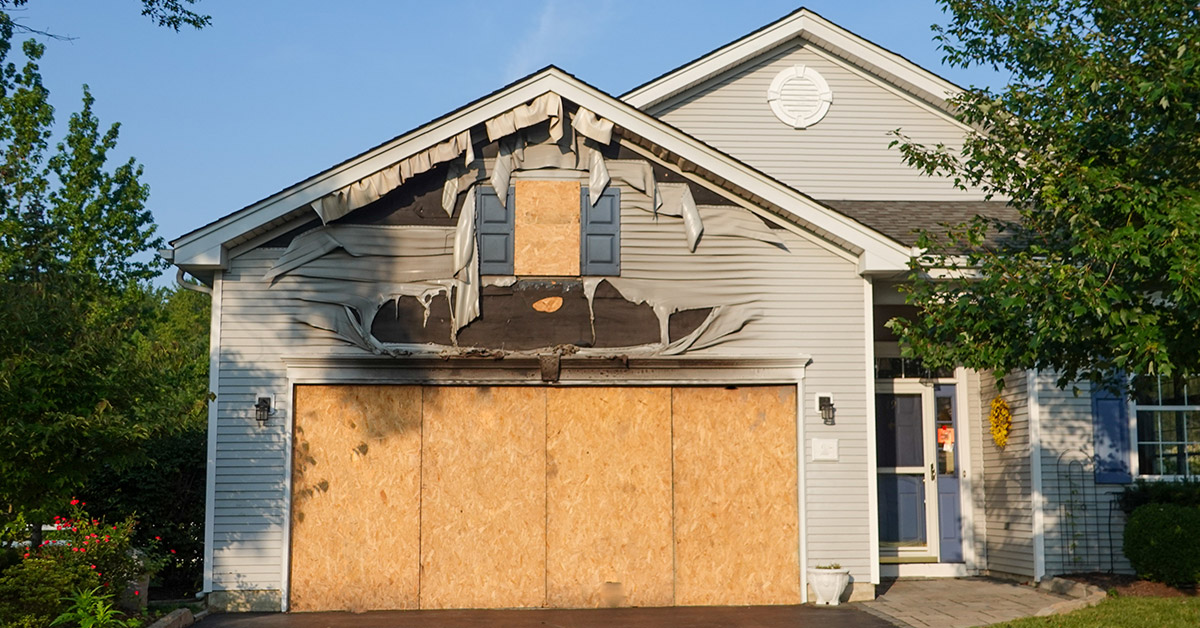 Collapsing garage in Massachusetts? Learn how repairs, demolition, inspections, and financing affect selling your house as-is.
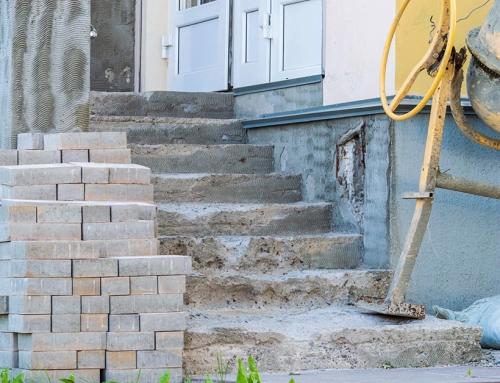
 Failing retaining wall in Massachusetts? Learn how repairs, permits, inspections, and financing affect selling your house as-is.
 Shared driveway in Massachusetts? Learn how neighbor disputes, easements, access rights, and title problems can affect selling your house.