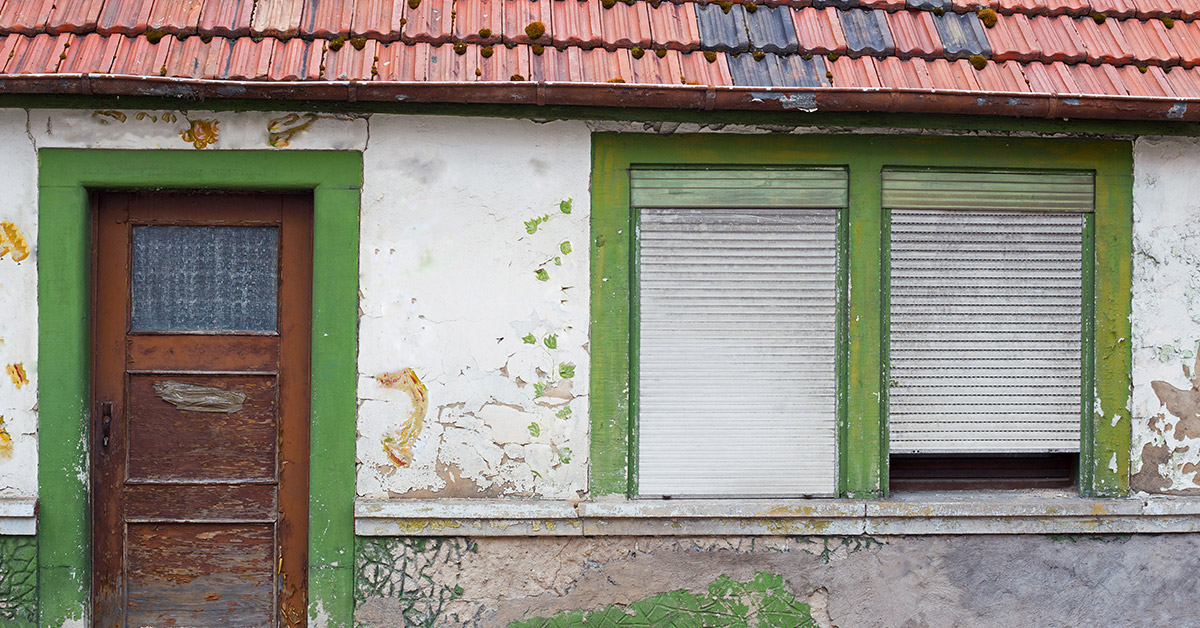
What Decreases Property Value the Most?

Table of Contents
Every house has a story. In Greater Boston, that story often includes old woodwork, aging pipes, drafty windows, steep staircases, old heating systems, and a few “we meant to fix that someday” projects.
That is normal. Many homes in Boston, Brookline, Cambridge, Newton, Somerville, Quincy, Medford, and surrounding Massachusetts towns are older properties. Some have been in the same family for decades. Some were inherited. Some were used as rentals. Some simply got too expensive or too overwhelming to maintain.
But when it is time to sell, certain issues can pull down a property’s value faster than others.
The short answer is this: the biggest things that decrease property value are major structural problems, water damage, outdated systems, roof issues, foundation concerns, code violations, failed inspections, bad location factors, and repairs that scare buyers because they look expensive or hard to predict.
A dated kitchen might hurt the price. Old wallpaper might turn off some buyers. But a roof leak, mold concern, unsafe electrical system, or failed inspection can change the entire sale.
That is where many sellers get stuck.
They know the house has value. They also know the home may not be ready for the traditional market without repairs, cleaning, permits, contractors, showings, and buyer negotiations. For some owners, selling as-is becomes the simpler path.
Why Property Value Drops So Fast When Buyers See Risk
Most buyers are not only looking at what a house is worth today. They are also thinking about what it might cost tomorrow.
A buyer may love the location. They may like the size, layout, yard, or neighborhood. But once they see signs of hidden repair costs, the math changes.
They start asking questions.
How old is the roof?
Is there water in the basement?
Does the electrical panel need replacement?
Will the plumbing pass inspection?
Is there mold behind the walls?
Will the lender approve the loan?
How much will this cost after closing?
That fear can lower offers fast.
In a hot Massachusetts market, location still matters. A home in Brookline, Cambridge, Newton, or Boston may still attract attention even if it needs work. But condition affects the type of buyer who shows up. Move-in-ready buyers may walk away. Lenders may hesitate. Inspectors may flag issues. Contractors may be hard to schedule. Cash buyers and investors may become the most realistic audience.
That does not mean the property is worthless. It means the selling strategy has to match the condition of the home.
Structural Problems Usually Hurt Value the Most
Structural issues are one of the biggest value killers because they affect the safety and stability of the home.
Foundation cracks, sagging floors, bowing walls, uneven framing, rotted beams, damaged supports, or major settling can scare buyers because the repair cost is hard to estimate. Even if the issue can be fixed, many traditional buyers do not want to take on that level of uncertainty.
In older Massachusetts homes, structural problems may come from age, water, poor past repairs, additions that were not done correctly, or years of deferred maintenance.
These issues often show up during a home inspection. Once they do, buyers may ask for a large price reduction, request repairs before closing, or cancel the deal entirely.
If the house already has known structural concerns, listing it the traditional way can be stressful. The home may sit longer, attract lower offers, or keep falling apart under inspection pressure.
Water Damage Can Quietly Destroy Value
Water is one of the biggest enemies of an old house.
A small leak can become damaged flooring. A damp basement can become mold. A bad roof can lead to ceiling stains, wall damage, insulation problems, and electrical risks. Poor drainage around the foundation can create long-term basement issues.
Water damage can lower property value because it creates two problems at once: visible damage and fear of hidden damage.
Buyers may wonder how long the leak has been there. They may worry about mold, rot, damaged framing, ruined drywall, or future flooding. If the home smells damp or musty, that concern grows.
In Boston-area homes, water issues can come from old roofs, clogged gutters, aging foundations, poor grading, basement seepage, frozen pipes, old plumbing, or past storm damage.
A seller can fix some of these problems before listing, but repairs can get expensive fast. That is why some homeowners choose to sell an old property as-is instead of chasing one repair after another.
Roof Problems Can Lower Offers Quickly
A bad roof is one of the first things buyers and inspectors notice.
Missing shingles, soft spots, active leaks, old flashing, sagging areas, water stains, or a roof near the end of its life can reduce property value because buyers know roof replacement is expensive.
In many cases, the roof is not just a roof problem. It may also point to interior damage, insulation issues, attic mold, or ceiling repairs.
Some buyers may still make an offer, but they often reduce the price to account for the expected cost. Others may ask the seller to replace the roof before closing. If the buyer needs financing, the lender may have concerns depending on the condition.
For sellers who do not have the time or money to replace the roof, a direct cash sale may be a better fit than trying to satisfy a long list of buyer demands.
Outdated Electrical, Plumbing, and Heating Systems Matter
Old systems are common in Massachusetts homes, especially properties built many decades ago.
A home may have outdated wiring, old plumbing, an aging boiler, old radiators, knob-and-tube concerns, a weak electrical panel, poor water pressure, or heating equipment near the end of its life.
These issues can lower property value because buyers see them as expensive and inconvenient. They may also create safety concerns or inspection problems.
A beautiful old home can still lose value if the buyer believes they need to replace major systems right after closing. Even buyers who like older homes want some confidence that the basics work.
For homeowners who inherited a property or owned it for many years, these updates may not feel urgent until it is time to sell. Then the cost becomes hard to ignore.
If the systems are old but working, the home may still sell. But the price and buyer pool may change.

Failed Inspections Can Put a Sale at Risk
A failed inspection can reduce property value because it gives the buyer a reason to renegotiate or walk away.
Inspection problems may include roof defects, foundation cracks, water damage, mold concerns, unsafe electrical conditions, plumbing leaks, pest damage, heating issues, structural concerns, missing permits, or safety hazards.
In a traditional sale, the inspection often becomes a turning point. A buyer who seemed excited may suddenly want repairs, credits, a lower price, or more time to evaluate the property.
If your Boston-area house already failed inspection, you still have options. You can make repairs, offer a credit, lower the price, relist, or sell as-is. For a deeper look at this situation, read What to Do When Your Boston House Failed Inspection.
The important thing is not to panic. A failed inspection does not mean the home cannot sell. It means the right selling path may need to change.
Poor Curb Appeal Can Hurt First Impressions
Curb appeal may not lower value as much as foundation or roof problems, but it can affect buyer interest.
Overgrown landscaping, peeling paint, broken steps, damaged siding, old windows, cracked walkways, junk in the yard, or a tired exterior can make buyers assume the inside has also been neglected.
That assumption can lower offers before buyers even walk through the door.
In a traditional listing, sellers often spend money on landscaping, paint, cleaning, staging, and small repairs to help the home show better. That can work if the seller has the time, energy, and budget.
But not every seller wants to spend weeks preparing a property for showings. If the house is inherited, vacant, outdated, or full of belongings, the cleanup alone can feel like a second job.
Bad Layouts and Outdated Interiors Can Limit Buyer Interest
Old homes often have layouts that do not match how buyers live today.
Small kitchens, few bathrooms, low ceilings, narrow stairs, awkward bedrooms, limited closet space, old carpeting, dated cabinets, and closed-off rooms can reduce value because buyers mentally add renovation costs.
These issues are not always dealbreakers. In some Greater Boston neighborhoods, buyers expect older homes to need updates. But outdated interiors can still affect price, especially if the home also has bigger repair issues.
A dated kitchen by itself may not sink a sale. A dated kitchen plus old plumbing, roof problems, knob-and-tube wiring, basement moisture, and a failed inspection is a different story.
The more problems a buyer sees, the more they discount the offer.
Location Problems Can Also Decrease Value
Some value issues have nothing to do with the house itself.
A property may lose value because it is on a busy road, near loud traffic, close to commercial activity, next to a neglected property, far from public transportation, or in an area where buyer demand is weaker.
Sellers cannot repair location. That is why condition matters even more. If the location is not ideal and the house needs major work, traditional buyers may be cautious.
In stronger Boston-area markets, location can help protect value. But even in desirable towns, a house with serious repair needs may not attract the same buyers as a move-in-ready home.
Code Violations, Permits, and Title Issues Can Slow Everything Down
Code violations, unpermitted work, open permits, title problems, or unclear ownership can also reduce value because they add risk and delay.
A buyer may wonder whether the home can be financed, insured, renovated, or resold without trouble. Attorneys, lenders, inspectors, and town offices may need to get involved before closing.
These issues can be common in older homes that have had years of repairs, additions, rental use, or family transfers.
They do not always stop a sale, but they can make the sale slower and more complicated.
If your property has problems like these, it may help to speak with a local buyer who understands older homes in Massachusetts and can evaluate the property as-is.
What Decreases Property Value the Most in an Old Massachusetts Home?
For old houses in Greater Boston, the biggest value reducers are usually the issues that create high repair costs, safety concerns, financing problems, or buyer uncertainty.
That often includes:
Foundation issues
Water damage
Mold concerns
Roof problems
Outdated electrical systems
Old plumbing
Heating system problems
Structural defects
Pest damage
Failed inspections
Code violations
Unpermitted work
Major deferred maintenance
Cosmetic updates matter too, but they usually do not hurt value as much as repairs that affect safety, habitability, financing, or long-term cost.
A buyer can live with ugly wallpaper. They may not want to live with a leaking roof, unsafe wiring, or a wet basement.
Should You Fix the Problems Before Selling?
Sometimes repairs make sense. If the house is in a strong location, the repairs are manageable, and you have time to prepare the property, fixing key issues may help you list for a higher price.
But repairs are not always the best path.
Contractors can be expensive. Projects can take longer than expected. One repair can reveal another problem. A roof project may lead to attic damage. Plumbing work may expose wall damage. Electrical updates may require more work than planned.
For some sellers, the question is not “Can I get more if I fix it?” The real question is “Will I actually come out ahead after repairs, delays, stress, and holding costs?”
If the house needs major work, selling as-is may be the cleaner option.
We Buy Old Properties helps homeowners across Massachusetts sell old, inherited, outdated, vacant, or unwanted homes without repairs, staging, or traditional buyer delays. You can learn more about selling an old property in Massachusetts here: Sell Your Old Property Fast in Massachusetts.
FAQs About Property Value and Selling an Old House
What decreases property value the most?
Major structural problems, water damage, roof issues, foundation concerns, mold, outdated electrical systems, old plumbing, failed inspections, code violations, and serious deferred maintenance usually decrease property value the most.
Does a failed inspection lower property value?
Yes, it can. A failed inspection often gives buyers a reason to renegotiate, ask for repairs, request credits, or walk away. The size of the value drop depends on the repairs needed and the type of buyer.
Should I repair my old house before selling?
It depends on the cost, timeline, market, and your goals. Repairs may help if they are affordable and likely to increase your final sale price. But if the house needs major work, selling as-is may be faster and less stressful.
Can I sell a house as-is in Massachusetts?
Yes. Many Massachusetts homeowners sell houses as-is, especially when the property is old, inherited, outdated, vacant, damaged, or difficult to prepare for the market.
Do old systems lower home value?
Yes. Old electrical, plumbing, heating, and cooling systems can lower value because buyers expect future costs. These issues can also create inspection and financing concerns.
What if I cannot afford repairs before selling?
You still have options. You can list the home as-is, lower the asking price, offer repair credits, or request a direct cash offer. If you want to avoid repairs, showings, and buyer financing delays, you can review the cash sale option here: Sell Your House for Cash.
 Learn about selling a house after a death in the family in Massachusetts, including probate, inherited property, and your selling options.
 Selling a house with a bad tenant in Boston? Learn what landlords can do when tenants delay showings, miss rent, damage property, or make a sale harder.
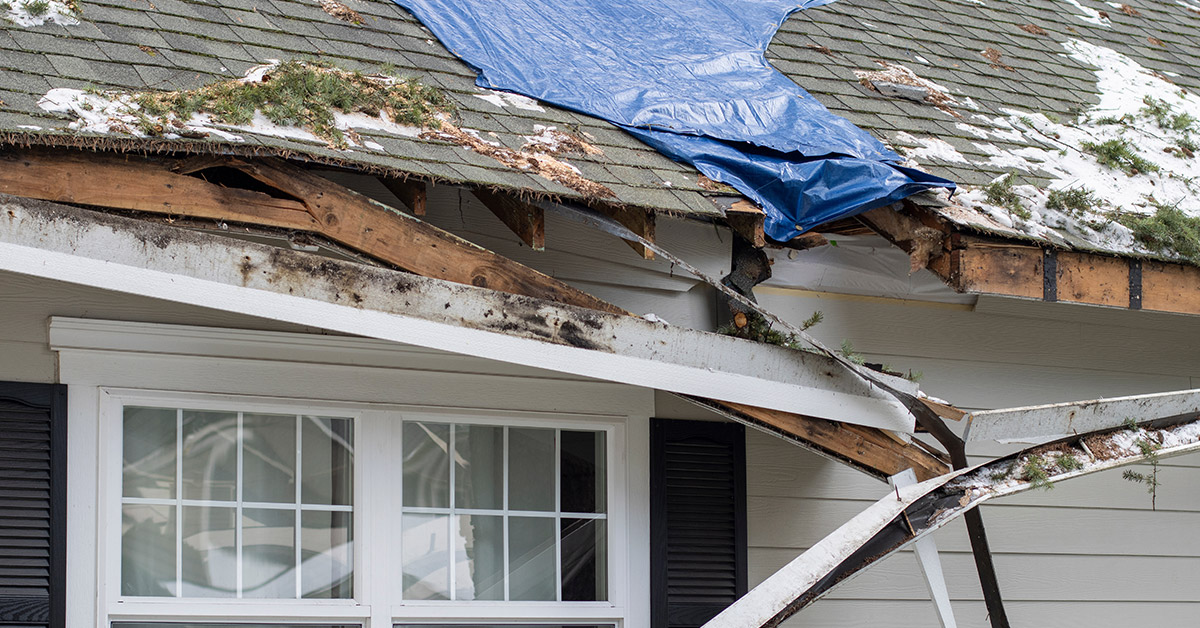 Learn what makes a house hard to sell, why some homes stay on the market longer, and what Greater Boston homeowners can do to improve their selling options.