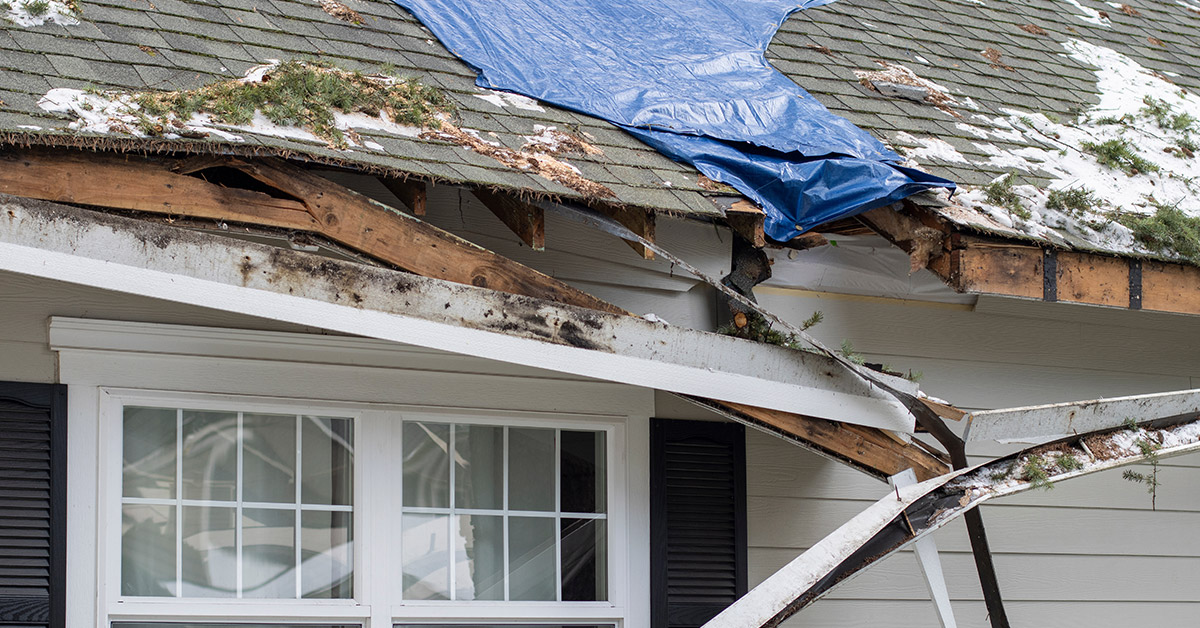
What to Do When Your House Won’t Sell in Massachusetts

Table of Contents
When your house will not sell, the silence gets loud. At first, everyone sounds confident. The photos look decent. The listing goes live. The sign goes up. Maybe your agent says the market is strong, especially around Boston. You expect showings, questions, maybe even a quick offer. Then a week passes. Then another. The showing feedback is vague. Buyers say the house has “potential,” which is real estate code for “we see the work, and we do not want to pay full price for it.” Someone says the kitchen feels dated. Someone else says the basement smells damp. Another buyer likes the location but worries about the roof.
Then the listing starts to feel stale.
If your house will not sell in Massachusetts, the first thing to know is that the market may not be the only problem. Massachusetts can be a strong real estate market, especially in Boston and nearby communities, but strong markets do not save every listing. Buyers still care about price, condition, financing, inspections, layout, location, photos, access, and risk.
A house that sits too long is telling you something.
The key is to listen before the listing goes completely cold.
A Strong Market Does Not Mean Every House Sells Fast
Massachusetts sellers often hear that inventory is tight, demand is strong, and buyers want homes near Boston. All of that may be true in many areas. But buyers are not desperate for every property at every price.
A clean, updated home in a desirable neighborhood may move quickly. An older home with old systems, repair issues, tenants, clutter, water damage, lead paint concerns, or a strange layout may sit longer.
That can feel unfair. Your house may be in a great location. It may have real value. It may be near transit, schools, hospitals, universities, shops, or major job centers. But buyers compare your home to everything else they can buy. They are not just buying the neighborhood. They are buying the repairs too.
In Greater Boston, many homes are old. That is part of the charm, but charm does not replace a roof. Charm does not update knob and tube wiring. Charm does not fix a wet basement. Charm does not make a buyer ignore a failed inspection.
Good location helps. It does not perform miracles. If it did, every old basement in Massachusetts would be a wine cellar by now.
The Price May Be Fighting the Condition
The most common reason a house will not sell is price.
That does not mean the house has no value. It means buyers do not agree with the asking price based on what they see, what they need to spend, and what they can buy elsewhere.
Sellers often price based on what similar homes sold for nearby. That is a start, but it can be misleading. If the house down the street sold high, ask what condition it was in. Was it updated? Did it have a finished basement? Was the roof new? Was the electrical modern? Were the photos better? Did it have parking? Did it have tenants? Did it have a better layout?
A buyer looking at your home is doing the same math.
If your house needs a new roof, old plumbing, electrical updates, plaster repair, exterior paint, mold cleanup, or a full kitchen renovation, buyers will subtract those costs in their heads. Then they will subtract a little more for inconvenience. Then they will subtract again because fear is not known for its math skills.
If the asking price does not leave room for the work, buyers may not even make an offer.
That is when you get the worst outcome: activity with no commitment.
Buyers May Be Seeing Problems You Have Learned to Ignore
Homeowners get used to their houses.
You stop noticing the cracked tile near the back door. The old carpet becomes background noise. The damp basement smell feels normal. The peeling trim becomes “we were going to get to that.” The outdated bathroom becomes “it works fine.” The sloping floor becomes “old house charm.”
Buyers do not see it that way.
They walk in cold. They notice everything at once. They imagine the inspection report. They wonder what repairs will cost. They worry about what they cannot see. If the visible issues are obvious, they assume the hidden issues may be worse.
This is especially true for older homes in Boston, Dorchester, Roslindale, Hyde Park, Mattapan, Jamaica Plain, Quincy, Somerville, Medford, Malden, Brookline, Newton, Revere, and nearby towns. Buyers expect some old-house issues, but they still want a price that matches the risk.
If your home is not selling, ask for blunt feedback. Not polite feedback. Not “buyers liked the character.” You need the kind of feedback that stings a little and saves you money.
Are buyers objecting to condition? Smell? Layout? Parking? Tenants? Price? Repairs? Access? If the same issue keeps coming up, believe it.
The Listing May Be Attracting the Wrong Buyer
Sometimes a house does not sell because it is being marketed to the wrong audience.
A move-in-ready buyer and an as-is buyer are not the same person.
A move-in-ready buyer wants clean photos, finished rooms, smooth inspections, easy financing, and a home that feels emotionally safe. They may love older homes, but they still want the old home to behave itself. Bold request, honestly.
An as-is buyer expects work. They understand repairs. They look at the bones, the location, the lot, the zoning, the rental potential, and the after-repair value. They are less likely to be scared by old systems, damage, clutter, or dated finishes if the price makes sense.
If your home needs major repairs but the listing is written like it is a polished family home, buyers may feel misled when they arrive. If the photos hide too much, showings can disappoint. If the price suggests “ready to go” but the house says “bring a contractor,” the market will notice.
That mismatch can kill momentum.
For older Massachusetts properties, honesty usually works better than spin. If the house needs work, price it and market it that way. The right buyer is not offended by reality. They are offended by surprises.

Inspection Issues Can Haunt a Listing
A house may sit because buyers fear the inspection.
If a previous buyer backed out after inspection, that can make the next round harder. Sellers may think, “We will just find a new buyer.” Sometimes that works. But if the same problems remain, the next buyer may react the same way.
Common deal-killers include roof problems, foundation concerns, old electrical panels, knob and tube wiring, plumbing issues, mold, water damage, asbestos concerns, lead paint, failing heating systems, pest damage, and unpermitted work.
In Massachusetts, older homes often have more than one of these issues. A buyer may be willing to take on a roof. They may not be willing to take on a roof, old wiring, wet basement, and peeling exterior paint at the same time unless the price clearly reflects it.
If inspection risk is the problem, you have a few choices. You can fix the biggest issues. You can adjust the price. You can provide contractor estimates. You can sell as is and target buyers who understand repair-heavy homes.
What you cannot do is hope buyers stop noticing. Hope is not a pricing strategy. It is a nice wall quote, not a plan.
Your Timeline May Not Match the Traditional Sale Process
A traditional listing takes time even when things go well.
You may need repairs, cleaning, photos, showings, open houses, offer review, inspection, appraisal, mortgage approval, title work, smoke and carbon monoxide inspection, final walkthrough, and closing. Any one of those steps can cause delays.
If the home is vacant, inherited, tenant-occupied, in probate, tied to divorce, facing foreclosure, or costing too much to maintain, time matters. Every extra month can mean another mortgage payment, tax bill, insurance payment, utility bill, repair, snow removal issue, or family argument.
That is why a stale listing is not just annoying. It can become expensive.
If the house has already been listed for weeks or months without a good offer, you need to compare the cost of waiting against the cost of changing direction. Sometimes the best move is a price reduction. Sometimes it is repairs. Sometimes it is taking the property off the market and relaunching it better.
And sometimes it is selling directly to a cash buyer who can close without the usual retail-buyer process.
When Repairs Make Sense and When They Do Not
Repairs can help a house sell, but not all repairs are worth doing.
Small fixes often make sense. Cleaning, paint touch-ups, lighting, basic landscaping, minor plumbing fixes, and simple safety repairs can improve buyer confidence without draining the bank account.
Large repairs are different. Roof replacement, electrical upgrades, foundation work, mold remediation, water damage repair, major plumbing, lead paint work, septic problems, or underground oil tank issues can cost real money and still not guarantee a sale.
Before you take on major repairs, ask whether the market will pay you back. In some cases, yes. In others, buyers may still discount the house because other old-home issues remain.
This is where sellers get trapped. They fix one problem, then the next buyer asks for money for another problem. They replace the roof, then buyers complain about the boiler. They fix the boiler, then buyers ask about the basement. The house becomes a very expensive game of whack-a-mole.
If the home needs multiple major repairs, selling as is may be smarter than trying to make it perfect.
Selling As Is After a House Will Not Sell
Selling as is means the buyer purchases the property in its current condition. The seller does not agree to make major repairs before closing, unless the contract says otherwise.
This can be a practical option when a Massachusetts house has been sitting on the market and buyers keep passing it over. It is also useful when the property is older, damaged, cluttered, vacant, inherited, tenant-occupied, or hard to finance.
An as-is sale does not mean the house is worthless. It means the price and buyer need to match the condition.
For We Buy Old Properties, this is the core situation. The company works with older homes and as-is properties in Boston and nearby Massachusetts communities. If a house is not selling because it needs repairs, failed inspection, has tenants, has old systems, or simply does not fit the traditional buyer pool, a direct cash offer may give the seller another path.
The benefit is simplicity. No open houses. No months of buyer feedback. No repair demands after inspection. No lender appraisal delays. No pretending the house is something it is not.
The tradeoff is that a cash offer may be lower than the top possible retail price. But the net result may still make sense once you subtract repairs, commissions, concessions, carrying costs, and months of stress.
Why Cash Buyers Can Help With Stale Listings
Cash buyers can help when a listing has gone stale because they look at property differently.
They are not usually shopping for a perfect home to move into next month. They are looking at the real estate, the repair cost, the resale or rental potential, and the timeline. They can often buy homes that standard buyers avoid.
That matters if your house has already been sitting.
A stale listing can create a perception problem. Buyers wonder what is wrong with it. Agents may assume the seller is overpriced. New buyers may scroll past because the home has been online too long. Even after a price drop, the listing may not recover full momentum.
A direct cash offer cuts around that problem. It gives you a number and a closing path without waiting for the market to suddenly change its mind.
For sellers who are tired, stressed, or carrying a property they no longer want, that can be worth a lot.


 Learn what questions to ask a cash buyer before selling your home, including how offers work, closing timelines, fees, and what to expect.
 Can you sell a house with missing permits in Massachusetts? Learn how unpermitted work affects buyers, inspections, financing, and as-is sales near Boston.
 Are cash offers really guaranteed? Learn how cash home offers work, what may change an offer, and what Massachusetts homeowners should know.