
Selling a House After a Failed Appraisal in Boston

Table of Contents
A failed appraisal can stop a Boston home sale right when everything feels close. You accepted an offer. The buyer seemed serious. The inspection may have passed, or at least survived. The closing date started to feel real. Then the lender’s appraisal came back low, and suddenly the deal is wobbling like an old porch railing.
A failed appraisal usually means the appraised value came in below the agreed sale price. The buyer may still love the house, but the lender may not want to finance the deal based on the higher contract price. That creates a gap between what the buyer agreed to pay and what the bank is willing to support.
For sellers, this feels maddening.
After all, the buyer made the offer. The market set the price. You may have had multiple showings, strong interest, or even competing bids. Then one appraisal report changes the whole conversation.
If your Boston house failed appraisal, the sale is not automatically dead. But you need to understand what the low appraisal means, why it happened, and which path gives you the cleanest way forward.
A Failed Appraisal Is Really a Financing Problem
Most sellers think of a failed appraisal as a value problem. In many cases, it is more of a financing problem.
The buyer and seller agreed on a price. But if the buyer is using a mortgage, the lender wants to confirm the property is worth enough to support the loan. The appraisal helps the lender decide how much risk it is taking.
If the appraisal comes in low, the lender may base the loan on the lower value, not the contract price. That means the buyer may need to bring more cash to closing, renegotiate the price, challenge the appraisal, change loan terms, or walk away if the contract allows it.
That is why a low appraisal can kill a sale even when the buyer still wants the house.
The issue is not always that your home is “worth less.” The issue is that the lender’s valuation does not match the agreed price. In a market like Boston, where older homes, tight inventory, neighborhood differences, and fast-changing prices can all complicate value, that mismatch can happen.
It is still a problem. It is just not always a personal insult from a stranger with a clipboard.
Why Appraisals Come In Low in Boston
Boston is not an easy appraisal market.
A house in Dorchester may be hard to compare with another house a few streets away because condition, lot size, updates, parking, transit access, and layout can vary fast. A triple decker in Jamaica Plain is not the same as a tired two-family in Mattapan. A single-family in West Roxbury with a finished basement may not compare cleanly with one that needs major repairs. A condo in South Boston can shift in value based on building condition, outdoor space, parking, and association issues.
Appraisers rely on comparable sales, often called comps. If there are not enough recent, similar sales nearby, the value can become harder to support. If your home is unique, dated, damaged, oversized, under-improved, over-improved, or located in a pocket where sales are thin, the appraisal may not match the offer.
Condition also matters. An older Boston home may have charm, but appraisers still notice old systems, deferred maintenance, water damage, peeling paint, foundation concerns, unfinished work, or safety issues. A buyer may have been willing to stretch because they loved the location. The lender may be less romantic.
Banks are not known for falling in love with crown molding. Rude, but true.
The Appraisal Gap Is the Real Problem
When an appraisal comes in low, the difference between the contract price and the appraised value is called the appraisal gap.
For example, if the buyer agreed to pay $750,000 but the home appraised at $710,000, the gap is $40,000. The lender may not lend based on the $750,000 price. The buyer may need to cover some or all of that gap in cash, depending on their loan and down payment.
Some buyers can do that. Many cannot.
Even buyers who can cover the gap may not want to. A low appraisal makes people second-guess the deal. They may wonder if they are overpaying. Their family may tell them to renegotiate. Their agent may ask for a price reduction. Their lender may request more documentation.
The deal may still close, but now everyone is tense.
If your buyer has an appraisal contingency, they may have the right to renegotiate or cancel if the appraisal does not support the price. If there is no appraisal contingency, the buyer may have less room to walk away for that reason alone, but financing issues can still make the deal difficult.
This is why the strength of the buyer matters from the beginning. A high offer from a buyer with thin cash reserves may be weaker than a slightly lower offer from someone who can handle an appraisal gap.

Can You Challenge a Low Appraisal?
Sometimes, yes.
If the appraisal contains clear mistakes, your agent or the buyer’s lender may be able to request a reconsideration of value. This can involve providing better comparable sales, correcting property details, pointing out missing updates, or showing that the appraiser used sales that do not match the home.
Common errors include wrong square footage, missed bedrooms, incorrect condition notes, ignored upgrades, poor comparable sales, or failure to account for neighborhood differences.
But sellers should be realistic. Reconsiderations do not always work. Appraisers are not required to change the value just because the seller dislikes the result. A strong challenge needs facts, not frustration.
If there are better comps, provide them. If the report missed a permitted addition, provide the records. If the appraiser used a distressed sale that does not match your property, explain why. If major updates were not considered, show receipts or permits.
A second appraisal may be possible in some cases, but that depends on the lender, loan type, and circumstances.
The key is speed. Appraisal problems tend to arrive late in the sale. If the closing date is close, everyone needs to move quickly.
Should You Lower the Price?
Lowering the price is one option, but it should not be automatic.
If the appraisal is only slightly low and the buyer is strong, both sides may split the gap. If the appraisal is far below the contract price, you may need to decide whether saving the deal is worth the reduction.
This is where net math matters.
If dropping the price by $15,000 keeps the sale alive and avoids another month of mortgage payments, taxes, utilities, insurance, and uncertainty, it may be a smart move. If the buyer is using the appraisal to demand a huge discount after already negotiating hard, you may decide to push back.
Boston sellers also need to think about what happens if the deal falls apart. Will the next buyer bring the same appraisal issue? If the home is hard to value, outdated, or priced above the strongest comps, another financed buyer may run into the same problem.
A new buyer does not always mean a new result.
That is the part sellers hate. The first appraisal may not be the final word, but it can be a warning light.
When the Buyer Can Bring More Cash
A low appraisal does not have to end the sale if the buyer can bring more cash.
Some buyers have enough money to cover the difference between the appraised value and the sale price. Others may be able to increase their down payment, adjust financing, or work with their lender to restructure the deal.
This is more likely with well-qualified buyers, cash-heavy buyers, or buyers who waived appraisal protection because they expected a competitive market.
But many buyers in Boston are already stretched. Between high prices, down payments, closing costs, moving costs, and repairs, they may not have extra cash sitting around for an appraisal gap.
If the buyer cannot cover the gap and you do not want to reduce the price, the deal may stall.
At that point, the seller has to decide whether to wait for another buyer, relist at a different price, or consider a sale path that does not depend on lender appraisal.
Why Older or As-Is Homes Can Struggle With Appraisals
Older homes can be harder to appraise because condition varies so much.
Two houses may have similar square footage and sit in the same Boston neighborhood, but one may have a new roof, updated electrical, modern heating, renovated kitchen, dry basement, and clean permits. The other may have old wiring, worn floors, water stains, peeling paint, an aging boiler, and unpermitted basement work.
To a buyer, both may feel like “homes in a good area.” To an appraiser and lender, the differences matter.
As-is homes can face extra appraisal pressure. If the property needs repairs, the appraiser may note condition concerns. Some loan programs may require certain repairs before closing. Peeling paint, safety hazards, missing fixtures, broken systems, or major damage can become lender issues.
This can be frustrating for sellers of older Boston properties. You may already have priced the house for its condition. But if a financed buyer cannot get the loan approved at the agreed terms, the deal can still fall apart.
That is why older homes, inherited houses, damaged properties, rental properties with deferred maintenance, and homes that failed inspection often attract cash buyers. The fewer lender conditions involved, the fewer ways the sale can get tripped near the finish line.
Relisting After a Failed Appraisal
If the deal dies, you can relist the property. But do it with a clear plan.
Do not just put the home back online at the same price and hope the next buyer’s appraiser sees the world differently. Maybe they will. Maybe they will not. Hope is not a great closing strategy. It does, however, have excellent branding.
Review the appraisal problem. Was the contract price too high? Were the comps weak? Did the first buyer overbid? Was the property condition dragging down the value? Did the appraiser miss key details? Did the listing fail to document improvements?
Then adjust the strategy.
You might lower the price to match the appraised range. You might target buyers with stronger cash reserves. You might ask for appraisal gap coverage in future offers. You might improve the listing with better repair documentation, permits, floor plans, or contractor estimates. You might market the home as an as-is opportunity instead of a polished retail listing.
If the house is older and needs work, the best buyer may not be a traditional financed buyer at all.
Selling As Is After a Failed Appraisal
Selling as is can be a cleaner option when appraisal problems are tied to condition, repairs, or buyer financing.
An as-is sale means the buyer purchases the property in its current condition. The seller does not agree to make major repairs before closing unless the contract says otherwise. For sellers, this can reduce the back-and-forth that often happens after inspections and appraisals.
If the home has old systems, water damage, a bad roof, lead paint concerns, old plumbing, deferred maintenance, tenant issues, or unpermitted work, a standard buyer may struggle to close with financing. A cash buyer may not have the same appraisal hurdle.
That is where We Buy Old Properties fits the situation. The company buys older houses and as-is properties in Boston and surrounding Massachusetts communities. For a seller dealing with a failed appraisal, a direct cash offer can create another path without waiting for a lender to agree with the price.
That does not mean every seller should skip the open market. If the home is clean, updated, and the appraisal was clearly flawed, pushing forward with a traditional sale may make sense.
But if the failed appraisal exposed a bigger buyer-fit problem, selling as is may save time.
Why a Cash Buyer Can Help After a Low Appraisal
A cash buyer can help because the sale does not depend on a mortgage lender’s appraisal in the same way.
Cash buyers may still evaluate value. They may still inspect the property. They may still price repairs and risk. But they are not waiting for a bank to approve a loan amount based on an appraisal report.
That can make the process faster and more certain.
For sellers who already lost one deal after appraisal, certainty matters. You may not want to go through another round of showings, another offer, another inspection, another lender appraisal, and another late-stage surprise.
A cash offer gives you a number and a closing path. It may be lower than a top retail offer, but the deal may be more reliable, especially if the property has condition issues.
The real comparison is not cash offer versus dream price. It is cash offer versus the price you can actually close at after appraisal, repairs, concessions, commissions, delays, and carrying costs.
That is the math sellers should run.

 Uninhabitable house in Massachusetts? Learn how condemnation orders, repairs, and financing affect selling your property as-is.
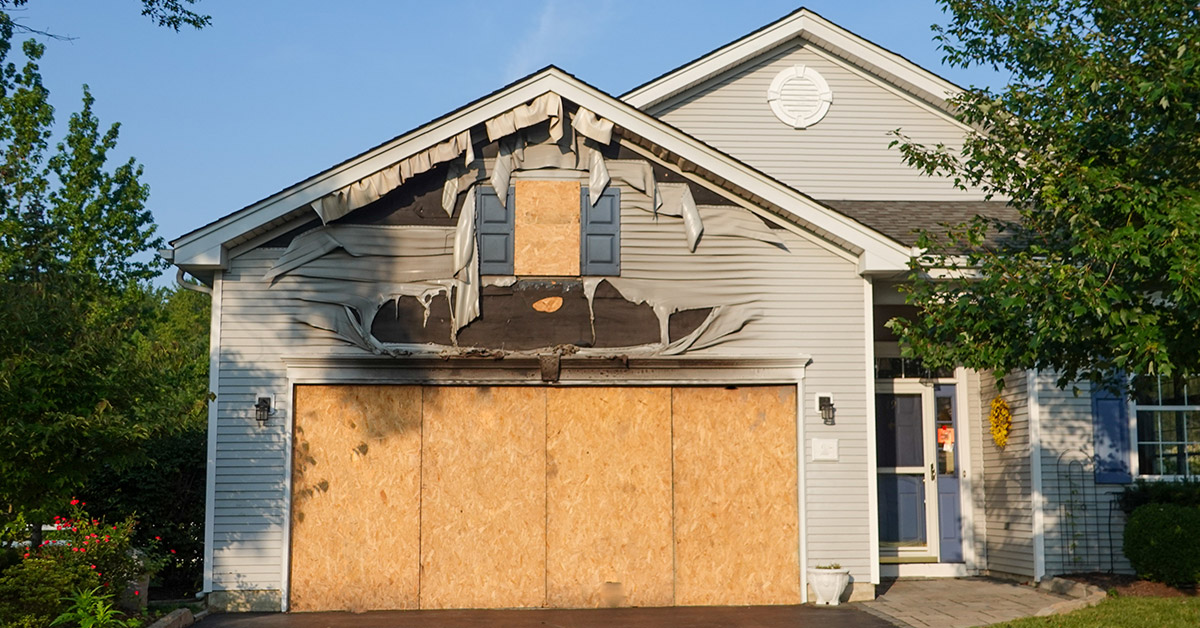 Collapsing garage in Massachusetts? Learn how repairs, demolition, inspections, and financing affect selling your house as-is.
 Failing retaining wall in Massachusetts? Learn how repairs, permits, inspections, and financing affect selling your house as-is.