How to Sell a House With Major Code Violations in Boston

Table of Contents
- Table of Contents
- What Counts as a Major Code Violation?
- Why Code Violations Scare Buyers
- Boston Homes Often Have Long Histories
- Start by Understanding the Violation Notice
- Should You Fix the Violations Before Selling?
- Code Violations Can Affect Financing
- Tenant-Occupied Properties Can Be More Complicated
- Selling As Is With Code Violations
- Why Cash Buyers Fit Code Violation Properties
- What Sellers Should Gather Before Talking to Buyers
- How to Compare Your Options
- The Bottom Line for Boston Sellers
Selling a house in Boston is already a serious process. Selling a house with major code violations is a different beast. Maybe the city issued a violation notice. Maybe a tenant complained. Maybe an inspector found unsafe stairs, bad electrical work, missing heat, pest problems, illegal living space, structural issues, or work done without permits. Maybe the house has been vacant too long and now the exterior looks neglected. Maybe you inherited the property and discovered a stack of old notices in a drawer.
Whatever the reason, the question is the same: can you still sell?
Yes, you can sell a house with major code violations in Boston. But you need the right plan. Code violations can affect price, buyer confidence, financing, inspections, closing timelines, and legal risk. They can also make a traditional sale harder if buyers expect the seller to fix everything first.
The good news is that a house with violations is not worthless. In Boston, even problem properties can have real value because location, lot size, zoning, rental potential, and long-term demand still matter.
The bad news is that violations do not disappear because the house goes on the market.
You need to face them directly.
What Counts as a Major Code Violation?
A code violation means the property does not meet a law, rule, ordinance, or standard that applies to the building, land, use, safety, or habitability.
Some violations are small. Tall grass. Trash outside. Missing house numbers. Minor exterior maintenance.
Major violations are different. They may involve health, safety, structure, illegal occupancy, tenant conditions, fire hazards, electrical problems, plumbing problems, unsafe porches, missing heat, pest infestation, water leaks, mold, blocked exits, unpermitted construction, or unsafe living space.
For a Boston homeowner, major code violations often come through Inspectional Services, housing inspectors, building inspectors, fire officials, or complaints made through city systems.
In rental properties, violations can be tied to the Massachusetts sanitary code, which sets minimum standards for housing. In older homes, violations may also relate to building code, fire safety, zoning, permits, or unsafe structures.
n more serious situations, a property may be officially declared unfit for human habitation, creating additional restrictions and obligations for the owner. If your property has received this designation, learn more about selling a house that has been declared uninhabitable in Massachusetts, including how municipal orders, repair costs, and cash buyers may affect your options
A violation notice is not just a suggestion from the city. It is a warning that the property needs attention.
And when you sell, buyers will care.
Why Code Violations Scare Buyers
Buyers do not like unknown risk.
A buyer may be willing to repair an old kitchen. They may accept a bad roof if the price is right. They may even take on a wet basement. But open code violations feel more serious because there may already be an official record attached to the property.
That raises hard questions.
What exactly is wrong? Has the city ordered repairs? Are fines adding up? Can the property be occupied? Are tenants involved? Can the buyer get insurance? Will a lender approve the loan? Could the city require expensive work after closing?
A buyer may still want the property, but they will price in the risk. If the violation is serious, they may ask the seller to fix it before closing. If the buyer is using a mortgage, the lender may hesitate. If the issue affects safety or habitability, the sale can slow down fast.
This is why sellers need to know what the violation says, not just that one exists.
A vague “there are some code issues” will make buyers imagine the worst. And buyers have very active imaginations when their money is on the line.
Boston Homes Often Have Long Histories
Boston housing is old, dense, and layered.
A triple decker in Dorchester may have a porch repair from 1987, basement work from 1999, electrical upgrades from 2008, and a tenant complaint from last winter. A two-family in Mattapan may have an old rear stair issue. A single-family in Roslindale may have a finished basement that was never approved. A house in Jamaica Plain may have old knob-and-tube wiring, peeling paint, and a roof leak that led to interior damage.
Older homes in Hyde Park, East Boston, Roxbury, West Roxbury, Charlestown, Brighton, and South Boston can carry decades of repairs, rentals, additions, and ownership changes.
Sometimes the current owner caused the issue. Sometimes a prior owner did. Sometimes the property was inherited, and the new owner is learning about the violations for the first time.
Buyers may understand that old homes come with issues. But once the city has cited the property, the issue becomes more official.
That can change the sale.

Start by Understanding the Violation Notice
Before you make any decision, read the notice carefully.
Look for the property address, violation type, issuing department, correction deadline, required repairs, fines, inspection notes, contact information, and whether the issue affects occupancy or safety.
If you do not understand the notice, call the issuing department or speak with a qualified local attorney, contractor, or real estate professional. Do not guess.
Some violations may be simple to clear. Others may require permits, licensed contractors, engineering review, pest treatment, electrical repairs, plumbing repairs, fire safety work, or court involvement.
You should also find out whether fines are accruing. Some violations can lead to ongoing daily fines if not corrected by the deadline. Boston code provisions may allow fines for certain violations, and enforcement can escalate when owners do not respond.
Knowing the status matters because a buyer will ask.
Is the violation open or closed? Are fines owed? Has work started? Was a reinspection scheduled? Are permits needed? Will the city require proof of correction?
The more answers you have, the stronger your position.
Should You Fix the Violations Before Selling?
Sometimes, yes.
If the violation is clear, affordable, and easy to correct, fixing it before selling may help. A cleared violation can make buyers more comfortable and may support a higher sale price. It can also reduce closing delays.
For example, if the issue involves missing smoke detectors, trash removal, minor exterior maintenance, or simple repairs, handling it may be worth the effort.
But major code violations are not always simple.
If the issue involves illegal living space, unsafe structure, major electrical work, foundation problems, fire separation, failed porches, plumbing issues, heat problems, mold, or unpermitted construction, repairs can become expensive and slow.
You may need permits. You may need licensed contractors. You may need reinspections. You may need to open walls, replace systems, or undo prior work. If tenants live in the property, access and relocation concerns can add more stress.
Before you start repairs, ask a hard question: will fixing this increase your net sale enough to justify the cost, time, and risk?
Sometimes the answer is yes. Sometimes the answer is no.
Old houses love turning one repair into six. They are talented like that.
Code Violations Can Affect Financing
A major reason code violations complicate sales is financing.
A buyer using a mortgage needs the lender to approve the property. If the home has major safety issues, habitability problems, open violations, or incomplete repairs, the lender may require corrections before closing. An appraiser may also note condition concerns.
This can be a problem if the seller cannot afford repairs or if the buyer wants to close quickly.
Some loan programs are stricter than others. Peeling paint, missing handrails, unsafe stairs, broken heating systems, water damage, or structural concerns can all cause issues. If the property has illegal living space or unpermitted work, the appraiser may not count it the way the seller expects.
That can lower value or delay the loan.
Even if the buyer is excited, the lender may not share that excitement. Banks are not known for romantic feelings about fixer-uppers.
This is one reason properties with serious code violations often attract cash buyers or investors.
Tenant-Occupied Properties Can Be More Complicated
If the house is tenant-occupied, code violations carry more weight.
Massachusetts housing standards exist to protect occupants. If tenants are living with no heat, unsafe wiring, pest infestation, leaks, mold, broken exits, or other serious conditions, the issue may involve tenant rights as well as property value.
A buyer will want to know whether tenants complained, whether Inspectional Services inspected the property, whether rent is being withheld, whether court cases exist, and whether repair orders are open.
Landlords should gather leases, rent ledgers, notices, repair records, inspection reports, code violation letters, and tenant communications. If there are active disputes, do not hide them.
A tenant-occupied building with violations can still sell. But the buyer pool may be smaller. Investors may be interested, but they will price in the repairs, tenant risk, and legal uncertainty.
A standard owner-occupant buyer may not want to deal with any of it.
Selling As Is With Code Violations
Selling as is can be a practical option when a Boston house has major code violations.
An as-is sale means the buyer purchases the property in its current condition. The seller does not agree to make major repairs before closing unless the contract says otherwise.
This can help when the violations are tied to larger property issues, such as old systems, deferred maintenance, tenant damage, illegal basement space, unsafe porches, water damage, fire safety issues, or unpermitted work.
Selling as is does not mean hiding violations. It means being clear about the condition and letting the buyer price the risk.
For sellers, this can be much easier than spending months trying to clear every violation before listing. You may not have the money for repairs. You may live out of state. You may have inherited the property. You may be dealing with tenants, foreclosure pressure, probate, or a vacant home that is getting worse.
In those cases, selling as is may be the cleanest way to move forward.
Why Cash Buyers Fit Code Violation Properties
Cash buyers are often a better fit for houses with major code violations because they can move with fewer lender-related delays.
A traditional buyer may need mortgage approval, appraisal approval, repairs, reinspections, and confidence that the property is safe and financeable. A cash buyer can evaluate the property directly and decide whether the risk works.
That does not mean the buyer ignores the violations. A serious cash buyer will still want to see the notices, inspect the property, understand the repair scope, and account for the cost.
But an experienced buyer can often handle problems that scare retail buyers away.
For We Buy Old Properties, this situation fits the business well. The company buys older homes and as-is properties in Boston and nearby Massachusetts communities, including homes with repairs, violations, tenant problems, failed inspections, and complex timelines.
A direct cash offer may let the seller avoid major repairs, repeated showings, lender delays, and last-minute buyer panic. The offer will reflect the condition, but the process may be cleaner.
And when code violations are involved, clean process has value.
What Sellers Should Gather Before Talking to Buyers
Before you speak with buyers, gather your documents.
Find the violation notices, inspection reports, city letters, fines, photos, repair estimates, contractor invoices, permits, tenant complaints, court documents, and any proof of completed work.
If you have contacted Inspectional Services or another department, keep notes. If a reinspection is scheduled, write down the date. If fines are owed, know the amount. If the violation is tied to a tenant complaint, know the status.
You do not need a perfect file to sell. But you do need enough information for a serious buyer to understand what they are taking on.
If records are missing, say that. If you do not know whether a permit exists, say that. If the issue came from a prior owner, explain what you know.
Clear facts reduce drama.
And real estate already brings enough drama free of charge.
How to Compare Your Options
There are three main paths.
You can fix the violations and then list. This may bring a stronger buyer pool and higher price, but it requires time, money, contractors, permits, and reinspections.
You can list the property with violations disclosed. This may work if the price reflects the risk and buyers are comfortable with repairs. But financed buyers may still struggle, and inspection negotiations can be rough.
You can sell as is to a cash buyer. This may bring a lower sale price than a fully repaired retail sale, but it can reduce delays, repair costs, and uncertainty.
The best choice depends on your timeline, repair budget, property condition, tenant situation, and how much stress you are willing to carry.
Do not compare only sale prices. Compare net money after repairs, fines, carrying costs, commissions, concessions, utilities, taxes, insurance, and time.
The highest possible price is not always the best real result.


 Uninhabitable house in Massachusetts? Learn how condemnation orders, repairs, and financing affect selling your property as-is.
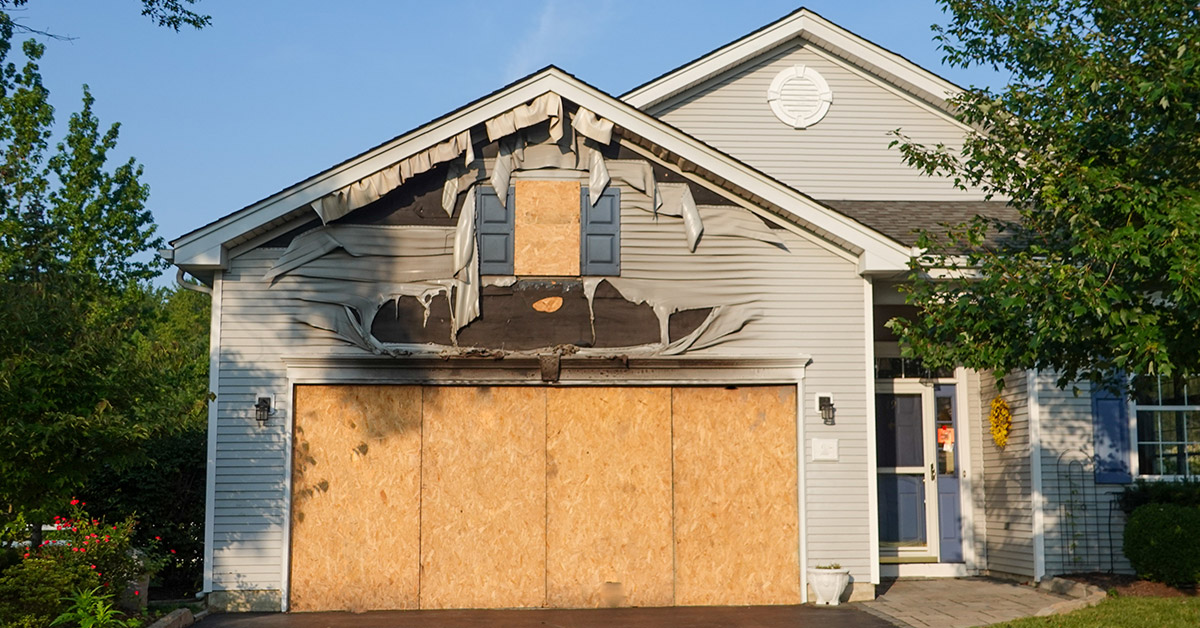 Collapsing garage in Massachusetts? Learn how repairs, demolition, inspections, and financing affect selling your house as-is.
 Failing retaining wall in Massachusetts? Learn how repairs, permits, inspections, and financing affect selling your house as-is.