
Selling a House With a Failed Buyer Inspection in Boston: What Comes Next?

Table of Contents
A failed buyer inspection can make a Boston home sale feel like it fell apart in one afternoon. One day, the buyer is excited. The offer is accepted. The closing date feels possible. You may already be looking at moving boxes, payoff numbers, or the next chapter of your life. Then the inspection report lands, and suddenly everyone sounds nervous.
The buyer wants repairs. Their agent asks for a credit. Their attorney wants more information. The lender may have concerns. The inspector found old wiring, roof problems, water damage, foundation cracks, pest damage, mold, old plumbing, or something else nobody wanted to discuss at this point in the sale.
Now the buyer is reconsidering.
If your Boston house failed a buyer inspection, the first thing to know is this: the sale is not automatically dead. A buyer inspection is not a government pass-or-fail test. It is a report on the property’s condition. But once that report creates fear, the deal can change fast.
The next move matters.
What a Failed Buyer Inspection Really Means
When people say a house “failed inspection,” they usually mean the buyer found enough problems to question the deal.
The inspector does not usually stamp the house as passed or failed. Instead, the report lists defects, safety concerns, old systems, deferred maintenance, repair recommendations, and items the buyer may want reviewed by specialists.
The buyer then decides what to do.
They may accept the condition and move forward. They may ask for repairs. They may ask for a closing credit. They may ask for a price reduction. They may request more inspections. Or, if their contract allows it, they may cancel the deal.
For sellers, this can feel personal. It is not.
A failed buyer inspection is usually about risk. The buyer thought they were buying one level of risk. After the inspection, they believe they are buying more.
Your job is to decide whether to fix, negotiate, relist, or sell another way.
Why Boston Homes Often Trigger Inspection Problems
Boston has beautiful homes, but many of them are old enough to have opinions.
A triple decker in Dorchester, a two-family in Mattapan, a single-family in Roslindale, a row house in Charlestown, or an older home in Hyde Park, Jamaica Plain, East Boston, Brighton, West Roxbury, or South Boston may have had decades of repairs, upgrades, shortcuts, and weather exposure.
Some homes have old electrical wiring. Some have aging roofs. Some have wet basements. Some have old plumbing, pest damage, lead paint concerns, asbestos materials, old heating systems, failed porches, or unpermitted work. Some have been rentals for years and carry the battle scars to prove it.
A buyer may love the location and still panic when the inspection report makes the repair list look like a grocery receipt.
That is common in older Boston properties. It does not mean the home has no value. It means the buyer may no longer be the right buyer at the original price.
Read the Report Before You React
The worst thing a seller can do after a bad inspection is react to the buyer’s first demand without understanding the report.
Some inspection reports are long because inspectors document everything. A loose outlet cover, a dripping faucet, an old roof, and structural movement can all appear in the same report. They do not carry the same weight.
Start by separating the findings into practical groups.
There are serious issues, such as active leaks, structural concerns, unsafe electrical conditions, major roof failure, heating problems, mold, pest damage, or foundation movement. These can affect safety, financing, and buyer confidence.
There are old-house issues, such as dated systems, worn finishes, older windows, settlement cracks, and general deferred maintenance. These may matter, but they should be priced in context.
Then there are cosmetic or wishlist items. Buyers may ask for them, but that does not mean you must agree.
The report may feel overwhelming, but not every line item deserves a check.
Ask What the Buyer Actually Wants
After the inspection, the buyer’s request tells you a lot.
Some buyers ask for a reasonable credit and still want to close. That buyer may be worth saving.
Some buyers ask for a few safety repairs. That may be manageable if the items are clear and the timeline works.
Some buyers send a long repair list that reads like they are trying to renovate the house at your expense. That is different.
Some buyers ask for a huge price cut because they got scared. Sometimes that fear is real. Sometimes it is negotiation theater.
Before deciding, find out what they actually want. Are they asking for money? Repairs? More inspections? Time? Documentation? Or are they looking for a way out?
A buyer who wants the deal will usually negotiate. A buyer who wants to leave will often make demands they know you will not accept.
That is useful information, even if it is annoying information.
Get Real Numbers Before Giving Away Money
Buyers often overestimate repair costs after inspection.
That does not mean they are lying. It means they are scared, and scared people do not make gentle math.
If the buyer asks for a large credit, get your own information. Call a roofer for the roof. Call an electrician for wiring concerns. Call a plumber for plumbing issues. Call a pest company for termite or rodent damage. Call a foundation specialist if the report raises structural concerns.
One professional estimate can change the whole negotiation.
A buyer may ask for $25,000 because the inspector flagged the roof. A roofer may say the roof needs $3,500 in repairs and has a few years left. Or the roofer may confirm the buyer is right and the roof needs replacement.
Either way, you need facts.
Do not negotiate from panic. Negotiate from numbers.
Decide Whether Saving the Deal Is Worth It
Not every buyer is worth saving.
If the buyer made a strong offer, has solid financing, and asks for a fair credit, keeping the sale together may be the best move. Losing the buyer could mean more mortgage payments, taxes, insurance, utilities, maintenance, and time back on the market.
But if the buyer is using the inspection to reopen the entire deal, be careful. Some buyers offer high to win the property, then use inspection to pull the price down. That strategy is common enough to deserve its own parking spot.
Ask yourself what happens if this buyer walks.
Can another buyer close at a similar number? Will the next buyer find the same problems? Will the house look stale if it goes back on the market? Are you willing to repair anything before relisting? How much time do you have?
If the problems are serious, the next inspection may create the same fight. The buyer changes, but the roof stays the roof.

Repairs, Credits, or Price Reduction?
After a failed buyer inspection, sellers usually have three main negotiation tools.
You can make repairs before closing. This may reassure the buyer, but it can create delays. Contractors may not be available. Work may uncover more problems. The buyer may not like the repair quality. If permits are needed, the timeline can stretch.
You can offer a credit. This is often cleaner, but lender rules may limit how credits can be structured. The buyer’s lender and closing attorney need to confirm what is allowed.
You can reduce the price. This may solve the money issue, but it may not solve immediate repair concerns if the lender requires work before closing.
There is no perfect answer. The right choice depends on the issue, the buyer’s financing, the closing date, and how badly you want this deal to close.
For older Boston homes, credits are often easier than seller-managed repairs. But if the issue affects safety or financing, repairs may still be required.
Watch for Financing and Appraisal Problems
A failed inspection can create financing trouble, even when buyer and seller agree on price.
If the inspector finds major safety issues, active water damage, missing fixtures, peeling paint, damaged stairs, electrical hazards, or heating problems, the buyer’s lender may get involved. An appraiser may also note property condition concerns.
This matters because the buyer may not be able to close unless certain items are fixed.
Older homes in Boston can be vulnerable here. If the home needs significant work and the buyer is using a standard mortgage, the lender may not love the risk. A cash buyer may be more flexible.
This is one reason inspection issues can turn into closing issues. The buyer may be willing. The seller may be willing. The bank may not be in the mood.
Banks are like that. Very little whimsy.
Do Not Forget Smoke and Carbon Monoxide Compliance
The buyer inspection is not the only inspection sellers need to think about.
In Massachusetts, sellers generally need a certificate from the local fire department showing that smoke and carbon monoxide alarms meet the requirements for sale or transfer. Mass.gov explains that this certificate of compliance is needed from the local fire department. Boston also advises sellers to apply for the Smoke/CO Detector Inspection as soon as the Purchase and Sale Agreement is signed.
This matters because a house can survive the buyer inspection negotiation and still get delayed if the smoke and CO inspection is not handled.
If your buyer inspection already exposed repair issues, do not add avoidable last-minute detector problems. Check the requirements early. Schedule the inspection early. Fix what needs to be fixed early.
Real estate closings do not need extra chaos. They bring enough of their own.
What If the Buyer Walks Away?
If the buyer cancels after inspection, you still have options.
You can relist the home. But do not pretend nothing happened. If the inspection found serious issues, the next buyer may find them too. You may need to adjust the price, update the listing language, gather estimates, complete repairs, or market the house more clearly as needing work.
You can repair the biggest issues before going back on the market. This may help, but it can cost time and money.
You can disclose what you know and sell the home as is. This may reduce buyer surprises and attract people who expect a project.
You can also request a direct cash offer and compare it with the cost of fixing, relisting, waiting, and negotiating again.
The key is not to go back out with the same plan if the inspection showed the plan was broken.
Selling As Is After a Failed Buyer Inspection
Selling as is means the buyer purchases the property in its current condition. The seller does not agree to make major repairs before closing unless the contract says otherwise.
After a failed buyer inspection, this can be a practical option.
If the house has old wiring, roof problems, water damage, pest damage, foundation issues, mold, old plumbing, lead paint concerns, or deferred maintenance, a traditional buyer may keep asking for repairs or credits. An as-is buyer can look at the same issues and price them into the offer from the start.
For We Buy Old Properties, this is the kind of situation that often fits. The company buys older homes and as-is properties in Boston and surrounding Massachusetts communities, including houses with failed inspections, repair problems, deferred maintenance, tenant issues, and properties that do not fit a standard retail sale.
An as-is offer may be lower than the best possible retail price after repairs. But it may also avoid another round of showings, inspection fights, financing delays, and buyer nerves.
Sometimes certainty is worth more than squeezing the last dollar out of a deal that may not close.
Why Cash Buyers Can Be a Better Fit
A cash buyer can be a better fit after a failed inspection because the sale may not depend on the same lender conditions, appraisal concerns, and repair demands.
Cash buyers still inspect. They still care about condition. They still price risk. But they are often more comfortable with older homes that need work.
That matters if your first buyer walked because the house had too many problems. A second traditional buyer may react the same way. A cash buyer may see a project instead of a dealbreaker.
This does not mean you should accept any cash offer without thought. Compare the cash offer with your real net from listing again. Include repairs, credits, commissions, taxes, insurance, utilities, time, and the risk of another failed inspection.
The right number is not the highest imaginary price. It is the number you can actually close.
What Sellers Should Gather Before Choosing the Next Step
After a failed buyer inspection, gather everything.
Keep the inspection report if you have it. Save buyer repair requests, contractor estimates, photos, prior repair invoices, permits, warranties, roof records, pest treatment records, plumbing receipts, electrical records, and any documents tied to major systems.
If you plan to relist, this information can help you price the property and answer buyer questions. If you plan to sell as is, it can help a serious buyer understand the repair scope.
You should also talk with your agent, attorney, or a trusted real estate professional about what must be disclosed. Massachusetts sellers should not hide known problems. The cleaner the facts, the cleaner the next sale.
Trying to bury a bad inspection report under optimism is not a strategy. It is a boomerang.

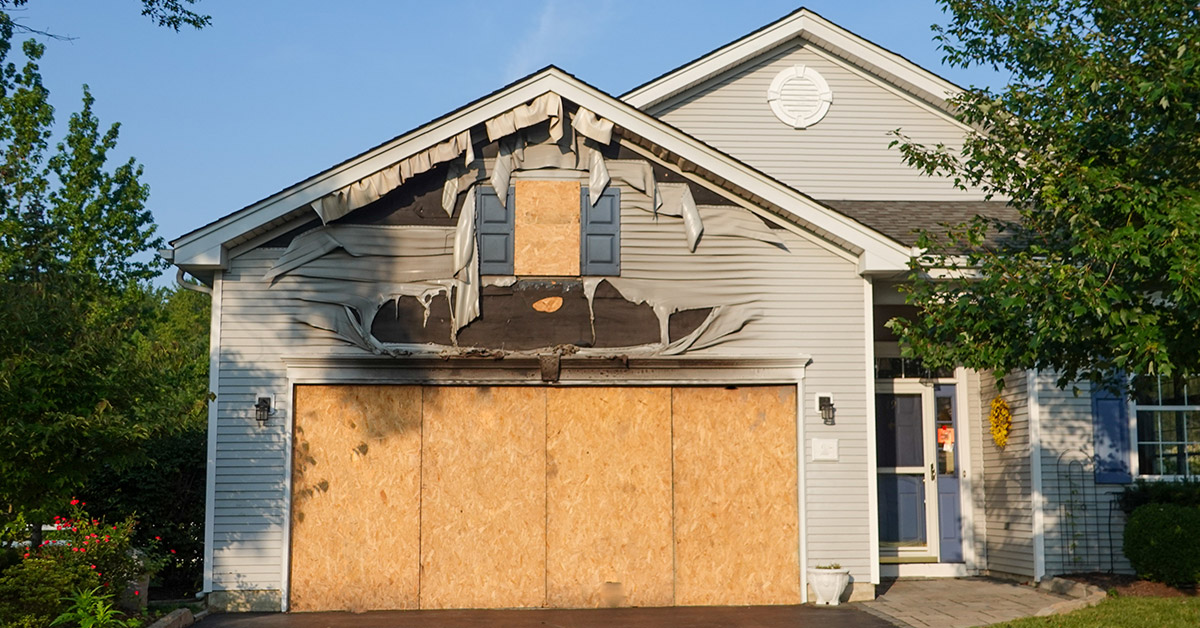 Collapsing garage in Massachusetts? Learn how repairs, demolition, inspections, and financing affect selling your house as-is.
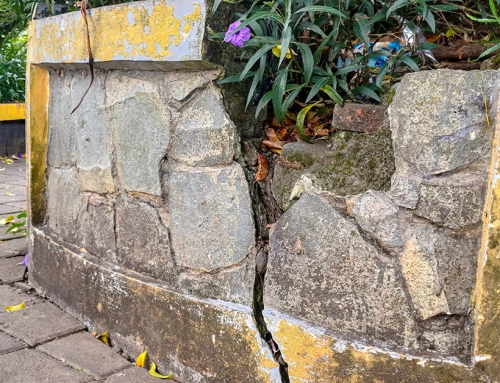
 Failing retaining wall in Massachusetts? Learn how repairs, permits, inspections, and financing affect selling your house as-is.
 Shared driveway in Massachusetts? Learn how neighbor disputes, easements, access rights, and title problems can affect selling your house.