
Selling a House That Cannot Qualify for Homeowners Insurance in Massachusetts

Table of Contents
Selling a house that cannot qualify for homeowners insurance in Massachusetts is possible, but insurance problems can make a traditional sale much more complicated. If an insurance company has declined your property, canceled your coverage, or refused to renew your policy because of its condition, you may be wondering whether anyone will be able to buy it.
Perhaps your roof is too old, your electrical system needs replacement, or an insurance inspection identified structural concerns. You may have received a letter requiring expensive repairs before coverage can continue. Now, instead of preparing your home for sale, you are facing another financial problem.
Yes, you can generally sell a house without homeowners insurance in Massachusetts. State law does not universally require homeowners to carry property insurance. However, mortgage lenders typically require buyers to obtain acceptable insurance before financing a purchase, and sellers with an existing mortgage may also have insurance obligations.
That means the problem is not necessarily whether you are legally allowed to sell. It is whether the buyer can obtain financing, whether the property qualifies for another type of coverage, and whether the sale can close without costly repairs.
For homeowners in Boston, Brookline, Cambridge, Newton, and throughout Greater Boston, understanding these options can help determine whether repairing the property or selling it as-is makes more financial sense.
Why Would a House Be Denied Homeowners Insurance in Massachusetts?
Insurance companies evaluate properties before deciding whether to provide coverage. This process, known as underwriting, considers the likelihood that a property will experience damage or generate an insurance claim.
A house may be declined because of its physical condition, maintenance history, previous losses, or other risk factors permitted under applicable insurance rules.
For example, an insurer may be concerned about an aging roof with missing shingles, extensive moss, or signs of water damage. The company may believe the roof presents an increased risk of future claims.
Other problems can involve outdated electrical wiring, deteriorating plumbing, structural damage, unsafe stairs, or significant maintenance issues.
A vacant house may also present different risks from an occupied property. If no one regularly monitors the building, a small plumbing leak or broken window could go unnoticed for weeks.
Not every older home is difficult to insure. Many historic Massachusetts properties maintain adequate coverage because their owners have kept major systems in acceptable condition.
The distinction is usually the actual risk presented by the property, not simply the year it was built.
If an insurer has rejected your house, request the specific reasons for its decision before assuming the property is permanently uninsurable.
Can an Insurance Company Cancel Your Homeowners Policy Because of Your House’s Condition?
Yes, but Massachusetts law limits when an insurer can cancel an existing policy.
Cancellation and nonrenewal are different.
Cancellation ends coverage before the current policy term expires. Nonrenewal means the insurer declines to continue coverage when the policy reaches its expiration date.
Under Massachusetts law, once a homeowners policy has been in effect for more than 60 days, an insurer generally can cancel it during the term only for specified reasons. Those reasons include nonpayment, certain misrepresentations or hazardous conduct, and physical changes that make the property uninsurable.
Nonrenewal follows different rules. Insurers generally must provide at least 45 days’ advance written notice and explain the reason for the decision.
Suppose your insurer reviews updated photographs of your home and determines that the roof has deteriorated significantly.
The company may decide not to renew the policy unless the condition is addressed, subject to applicable law and underwriting requirements.
However, an insurer’s decision should not automatically be accepted without review.
If you believe the company relied on inaccurate photographs or incorrect property information, ask your insurance agent to explain the decision and whether additional documentation could change the result.
What Happens if Your Homeowners Insurance Is Canceled While You Have a Mortgage?
Losing homeowners insurance can create an immediate problem for someone who still owes money on the property.
Most residential mortgage agreements require the borrower to maintain insurance protecting the lender’s interest in the home.
If coverage ends, the mortgage servicer may arrange lender-placed insurance, sometimes called force-placed insurance, under the terms of the loan.
This coverage can be expensive and may provide less protection for the homeowner than a standard homeowners policy.
It primarily protects the lender’s financial interest rather than replacing all the benefits of ordinary homeowners insurance.
The additional cost may increase the amount the homeowner owes through mortgage payments or other charges.
If you receive a cancellation or nonrenewal notice, contact your insurance agent and mortgage servicer promptly.
Ask about replacement coverage, deadlines, and any requirements you must satisfy to avoid a lapse.
Selling the house may ultimately be an option, but you still need to understand your insurance obligations while you own it.
Can You Sell a House Without Homeowners Insurance in Massachusetts?
Generally, yes.
Massachusetts does not impose a universal legal requirement that every homeowner maintain property insurance.
A home can potentially be sold even if the current owner does not have an active homeowners policy.
However, the absence of coverage creates practical concerns.
If the property is damaged before closing, the seller may be responsible for the loss, subject to the purchase agreement and other applicable rules.
The buyer may also need proof of insurance to obtain mortgage financing.
A house that cannot meet the buyer’s lender requirements may be difficult to sell through a conventional transaction.
The purchase agreement should address the property’s condition, insurance-related contingencies, and what happens if damage occurs before closing.
A Massachusetts real estate attorney can help ensure that these issues are handled appropriately.
The important point is that a house being difficult to insure does not automatically make it illegal to sell.
It does, however, make choosing the right buyer and transaction structure more important.
How Does an Uninsurable House Affect a Buyer’s Mortgage Approval?
Mortgage lenders generally require homeowners insurance because the property serves as collateral for the loan.
If a buyer purchases a house for $600,000 with mortgage financing, the lender wants protection against certain losses that could significantly damage the property.
Before closing, the buyer typically must demonstrate that acceptable insurance coverage is available.
If insurers refuse to cover the house because of its roof, wiring, structural condition, or another serious defect, the lender may decline to fund the transaction until the issue is resolved.
This can happen even when the buyer likes the house and is willing to accept its condition.
For example, imagine a buyer agrees to purchase an older two-family property in Somerville.
During the insurance application process, the company identifies significant roof deterioration and declines coverage.
The buyer may need to find another insurer, negotiate repairs, or reconsider the purchase.
If the insurance issue cannot be resolved within the financing and closing deadlines, the sale may fall apart.
This is one reason property-condition problems can become especially frustrating for sellers after they have already accepted an offer.
Our article about selling a house after a failed buyer inspection in Boston explains how unexpected defects can complicate a transaction.
What Property Problems Make a House Difficult to Insure?
Some of the most common insurance concerns involve conditions that increase the likelihood or severity of damage.
An aging roof is a frequent example. Missing shingles, water intrusion, or significant deterioration can make an insurer concerned about future weather-related losses.
Outdated electrical systems may create additional concerns, particularly when the wiring is damaged, improperly modified, or otherwise considered unsafe.
Structural problems can also affect eligibility. A house with a deteriorating foundation, sagging floors, or unstable exterior components may require professional evaluation before an insurer is willing to provide coverage.
Properties with long-term water damage or substantial deferred maintenance can present multiple risks at once.
In older Greater Boston homes, these issues sometimes overlap.
A roof leak may damage interior ceilings and framing. Foundation movement may affect walls and floors. Years of neglected repairs may make the house difficult to evaluate without additional inspections.
For owners dealing with significant structural concerns, our guide to selling a house with foundation problems in Massachusetts explains how those conditions can affect buyers and the decision to sell as-is.
The presence of one problem does not guarantee an insurance rejection. Underwriting decisions vary among insurers, and the property’s overall condition matters.
What Is the Massachusetts FAIR Plan, and Could It Help?
Homeowners who cannot obtain insurance through the standard private market may have another option.
Massachusetts has a property insurance market of last resort called the Massachusetts Property Insurance Underwriting Association, commonly known as the FAIR Plan.
The FAIR Plan provides basic property insurance to eligible applicants who have been unable to secure coverage in the voluntary market.
This can be useful when a homeowner has been declined or nonrenewed by private insurers.
However, eligibility is not automatic.
According to the Massachusetts Division of Insurance’s FAIR Plan guidance, the program offers basic insurance to eligible property owners who cannot obtain coverage through private insurers. However, applicants must satisfy eligibility requirements, and certain vacant, condemned, or inadequately maintained properties may not qualify.
Applicants generally must demonstrate that they made a reasonable effort to obtain coverage elsewhere and meet the program’s underwriting requirements.
The condition and occupancy of the property matter.
For example, the FAIR Plan’s eligibility guidance identifies restrictions involving vacant or condemned properties, inadequate maintenance, and certain outstanding tax liens or penalties.
A homeowner whose property has serious unresolved problems should not assume that the FAIR Plan will issue a policy.
The coverage offered may also differ from a standard homeowners policy.
For some owners, the FAIR Plan may provide a workable solution while they address property issues or prepare to sell.
For others, the property may still require repairs or a different insurance arrangement.
The most useful next step is to discuss eligibility with a licensed Massachusetts insurance agent.

Can You Sell a House As-Is if Insurance Companies Refuse to Cover It?
Yes, an as-is sale may be a practical option.
Selling as-is generally means the buyer agrees to purchase the property in its existing physical condition, subject to the terms of the agreement.
It does not mean the seller can hide known problems or ignore applicable legal obligations.
A buyer should understand that the house has been declined for insurance or that the insurer has identified conditions requiring attention.
The parties can then evaluate the property based on its current condition and the likely cost of repairs.
For example, a homeowner may have an older house with a roof that needs replacement, an outdated electrical system, and several years of deferred maintenance.
Completing every repair could cost tens of thousands of dollars.
If the homeowner lacks the funds or does not want to manage a renovation, selling to a buyer prepared to address those issues may be more practical.
However, an as-is agreement does not automatically solve the buyer’s insurance problem.
A financed buyer may still need acceptable coverage before closing.
A cash buyer may have more flexibility because there is no purchase-money mortgage lender imposing its own insurance requirements.
The buyer must still consider the risks of owning the property and any insurance or safety obligations that apply.
Can a Cash Buyer Purchase a House That Cannot Get Homeowners Insurance?
Potentially, yes.
A cash buyer does not need approval from a mortgage lender to finance the purchase.
That can remove one of the major obstacles associated with a property that cannot qualify for conventional homeowners insurance.
Experienced cash buyers may evaluate houses with aging roofs, major repair needs, outdated systems, or other conditions that discourage traditional purchasers.
Rather than requiring the seller to make the property move-in ready, a cash buyer may calculate the cost of necessary work and incorporate that expense into the offer.
For example, an older house in Quincy may have a failing roof and significant water damage.
A traditional buyer may struggle to secure insurance and mortgage financing.
A qualified cash buyer may be able to purchase the property with the intention of making the repairs after closing.
However, cash does not eliminate every concern.
The buyer still needs to evaluate the property’s condition, legal requirements, title, and exposure to uninsured losses.
The seller should also verify that the buyer has sufficient funds to complete the transaction.
We Buy Old Properties purchases houses throughout Greater Boston, including properties with serious repair needs. Homeowners can learn more about our cash home buying process when considering an alternative to a traditional sale.
Should You Make Repairs to Qualify for Insurance Before Selling?
That depends on the cost of the work and the potential financial benefit.
Sometimes an insurance problem is relatively straightforward.
An insurer may require damaged shingles to be replaced, overhanging branches to be removed, or a particular safety issue to be corrected.
If the repairs are affordable and likely to restore insurance eligibility, completing them may help attract more buyers.
Other situations are more complicated.
An insurer may require a complete roof replacement, electrical upgrades, or significant structural repairs.
Those expenses may be difficult to justify when the homeowner already plans to sell.
Before starting the work, request a written explanation of the insurer’s concerns.
Obtain estimates from qualified contractors and ask whether completing the specified repairs would satisfy the underwriting requirements.
An insurer may need to inspect the property again before confirming eligibility.
It is also worth comparing the likely proceeds from a traditional sale after repairs with the proceeds from selling the house as-is.
The relevant figure is not simply the highest possible sale price.
It is the amount you are likely to keep after repairs, carrying costs, selling expenses, and the risk of additional problems.
What if the Insurance Company Refuses Coverage Because the House Is Vacant?
Vacancy can create a separate insurance problem.
A vacant house may be exposed to vandalism, undetected water leaks, theft, and other damage.
Some homeowners policies restrict coverage or impose conditions when a property remains vacant for an extended period.
The exact provisions depend on the policy.
This can become an issue when a homeowner moves out before selling, inherits an empty property, or owns a house that cannot currently be occupied.
For example, an inherited home in Brookline may remain vacant while family members settle an estate.
If the house also needs major repairs, obtaining ordinary homeowners insurance may be more difficult.
Specialized vacant-property coverage may be available, but it can have different terms, exclusions, and premiums.
The Massachusetts FAIR Plan is not necessarily an option for a vacant property.
Before leaving a home empty for an extended period, owners should review the policy with their insurance agent and determine what coverage is appropriate.
What Happens if the Buyer Cannot Get Insurance Before Closing?
An insurance problem discovered shortly before closing can delay or jeopardize the transaction.
Suppose a buyer has completed the home inspection, received a mortgage commitment subject to remaining conditions, and scheduled a closing date.
The buyer then learns that the chosen insurer will not cover the house because of its condition.
The lender may require acceptable insurance before releasing the mortgage funds.
The buyer might try another insurance company, explore eligible alternative coverage, or request that the seller complete repairs.
If those efforts fail, the parties may need to negotiate a new arrangement or determine their rights under the purchase agreement.
Whether the buyer can terminate the contract or recover a deposit depends on the agreement’s contingencies, deadlines, and other relevant circumstances.
Sellers should avoid assuming that a financing approval guarantees the deal will close.
If the property has known insurance concerns, addressing them before accepting an offer can reduce the risk of last-minute surprises.
How Much Is a House Worth if It Cannot Qualify for Homeowners Insurance?
An insurance rejection does not mean the house has no market value.
The property’s location, lot size, condition, repair costs, and potential future use still matter.
A house in a desirable Boston-area neighborhood may retain substantial value even when it needs major improvements.
However, insurance difficulties can reduce the number of buyers able to complete the purchase.
That smaller buyer pool may affect demand and the offers a seller receives.
The extent of the problem is important.
A house requiring a relatively minor roof repair may be valued differently from one needing a new roof, major electrical work, and extensive structural repairs.
Cash buyers and renovation-focused purchasers may evaluate the property based on its estimated value after repairs, the cost of completing those repairs, carrying expenses, and the risks involved.
For homeowners, the most useful comparison is often between the net proceeds from repairing and selling traditionally and the net proceeds from an as-is sale.
That comparison should include realistic costs rather than relying only on an optimistic estimate of the finished home’s value.
Selling a House With Insurance Problems in Boston and Greater Boston
Greater Boston has a large inventory of older residential properties, including single-family homes, two-family houses, and buildings that have been expanded or renovated over many decades.
In communities such as Boston, Brookline, Cambridge, Somerville, Newton, Quincy, and surrounding towns, homeowners may encounter insurance concerns involving roofs, electrical systems, structural conditions, or deferred maintenance.
A property does not need to be abandoned or condemned to create insurance difficulties.
Sometimes a house remains occupied and functional, but an insurer identifies conditions that fall outside its underwriting guidelines.
Other times, the insurance problem is one of several signs that a property needs substantial investment.
The local real estate market may still support a sale, but the appropriate strategy depends on the property’s condition and the buyer’s ability to close.
For owners who do not want to spend months coordinating repairs, a direct sale may offer a way to evaluate the property’s current value without first completing an extensive renovation.
Frequently Asked Questions About Selling an Uninsurable House in Massachusetts
Can you sell a house without homeowners insurance in Massachusetts?
Generally, yes. Massachusetts does not universally require homeowners to maintain property insurance. However, existing mortgage agreements and a buyer’s financing requirements may create insurance obligations that affect the transaction.
Why would an insurance company refuse to insure my house?
An insurer may decline coverage because of roof deterioration, unsafe electrical systems, structural problems, vacancy, prior losses, or other underwriting concerns. The reason should be confirmed directly with the insurer or agent.
Can a buyer get a mortgage on a house that is difficult to insure?
Possibly, but most mortgage lenders require acceptable property insurance before closing. If the buyer cannot obtain the required coverage, financing may be delayed or denied.
Does the Massachusetts FAIR Plan insure every house?
No. The FAIR Plan provides basic coverage to eligible applicants who cannot obtain insurance in the private market, but underwriting and eligibility restrictions apply. Vacant, condemned, or inadequately maintained properties may not qualify.
Can I sell my house as-is if my homeowners insurance was canceled?
Yes, an as-is sale may be possible. The buyer must understand the property’s condition, and the transaction must comply with applicable legal requirements. A cash buyer may offer greater flexibility than a buyer relying on conventional mortgage financing.
Should I replace my roof before selling if the insurance company requires it?
Not necessarily. Compare the cost of replacing the roof with the likely financial benefit and your alternatives for selling as-is. Ask the insurer whether the work would resolve its concerns before committing to a major expense.
 Can't get homeowners insurance in Massachusetts? Learn how insurance problems affect selling your house and whether you can sell as-is.
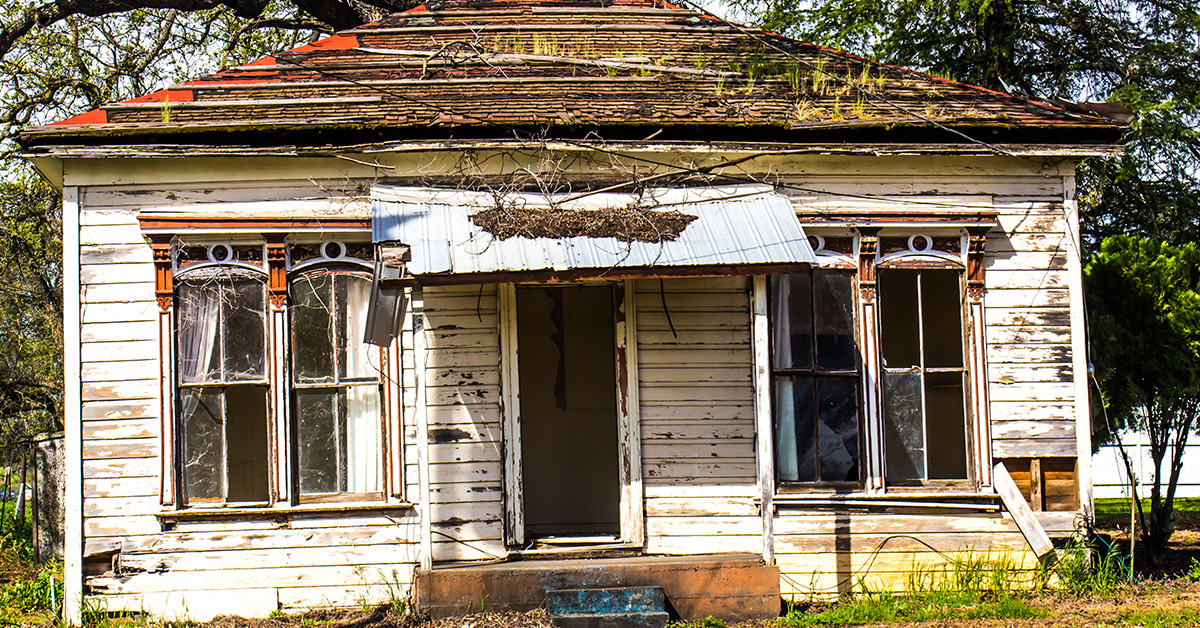 Uninhabitable house in Massachusetts? Learn how condemnation orders, repairs, and financing affect selling your property as-is.
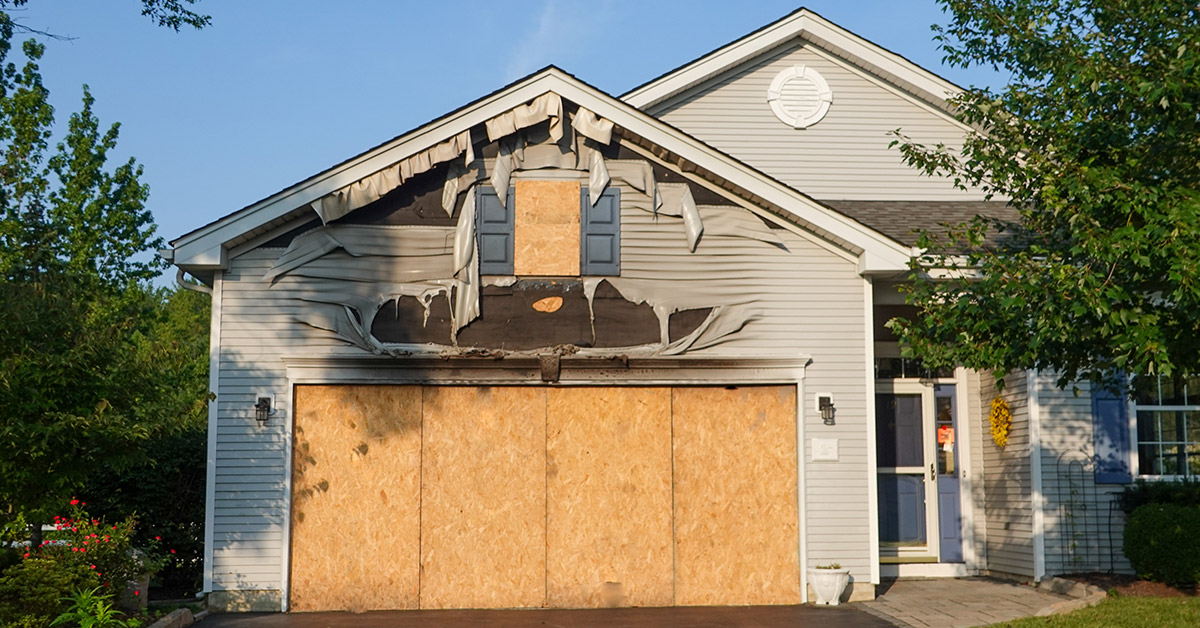 Collapsing garage in Massachusetts? Learn how repairs, demolition, inspections, and financing affect selling your house as-is.