
Can You Sell a House That Has Been Declared Uninhabitable in Massachusetts?

Table of Contents
A house declared uninhabitable in Massachusetts can leave its owner facing a difficult financial decision. Perhaps a building inspector identified dangerous structural conditions, the local board of health issued an order to vacate, or years of deterioration have made the property unsafe to occupy. Now you are dealing with potential repair costs, municipal notices, and a house you may no longer be able to live in or rent out.
The question is whether you can sell the property without first making it habitable again.
Yes, you can generally sell a house that has been declared uninhabitable in Massachusetts. An official finding that a property is unfit for human habitation does not, by itself, prohibit transferring ownership. However, outstanding orders, safety restrictions, liens, and other legal obligations can affect how the property is sold and what the buyer must do afterward.
For homeowners in Boston, Brookline, Newton, Cambridge, and throughout Greater Boston, the challenge is often determining whether repairing the house is financially worthwhile or whether selling it in its current condition is the more practical option.
Understanding the rules before making that decision can help you avoid unnecessary expenses and complications at closing.
What Does It Mean When a House Is Declared Uninhabitable in Massachusetts?
A house is considered uninhabitable when conditions make it unsuitable for people to occupy safely.
In Massachusetts, local boards of health and other authorized officials enforce housing standards intended to protect residents from serious health and safety hazards.
A property may be found unfit for human habitation because of dangerous structural conditions, severe sanitation problems, lack of essential utilities, or other conditions that threaten occupants.
The determination is different from a home inspector telling a buyer that a house needs repairs.
A private home inspection identifies property defects for a prospective buyer. An official finding of unfitness involves a governmental authority and may result in legally enforceable restrictions.
The distinction matters because a seller may be able to negotiate an ordinary repair issue with a buyer, while an official order to vacate or secure a building must be addressed according to its terms.
It is also important to distinguish an uninhabitable property from one that is merely outdated.
An older Massachusetts home may have peeling paint, worn flooring, outdated kitchens, or inefficient heating equipment without necessarily being legally unfit for occupancy.
An official uninhabitable designation generally involves more serious conditions.
Why Would a House Be Declared Uninhabitable?
A house may become unsafe because of a single major problem or several conditions that have developed over time.
For example, a property with severe structural deterioration may have floors that are no longer adequately supported, unstable walls, or significant damage to load-bearing components.
Other properties may have unsafe electrical systems, extensive sewage contamination, inadequate sanitation, or serious problems with essential services.
Fire damage, prolonged water intrusion, and certain hazardous conditions can also raise questions about whether the home is safe to occupy.
In older Boston-area houses, problems often develop gradually.
A roof leak may cause years of hidden water damage. A deteriorating foundation may contribute to structural movement. An abandoned property may experience vandalism, frozen pipes, or extensive deterioration before the owner realizes how serious the situation has become.
Sometimes the homeowner discovers the problem only after a tenant complains or a municipal inspection takes place.
The important question is not simply what caused the damage, but what the local authority has officially determined and what corrective action it requires.
What Happens When a House Is Declared Unfit for Human Habitation?
Massachusetts has a regulatory framework governing housing conditions and the enforcement of minimum habitability standards.
Under the State Sanitary Code, a local board of health may determine that a residence, or a portion of it, is unfit for human habitation.
Depending on the circumstances, the authority may issue orders requiring the owner to correct violations, secure the premises, or have occupants vacate.
Some situations involve notice and hearing procedures, while immediate dangers may justify emergency action.
Massachusetts homeowners can review the official State Sanitary Code, 105 CMR 410.00, which establishes minimum housing standards and explains the enforcement procedures available to local boards of health. The regulations also address findings of unfitness for human habitation, condemnation, and orders requiring a residence to be vacated or secured.
The consequences depend on the specific finding and the orders issued.
For example, an owner might receive a written notice requiring dangerous conditions to be corrected by a certain date.
In a more serious case, occupants may be ordered to leave until the property is found safe.
An owner should not assume that an order automatically disappears when the property is sold.
The municipality may continue to require corrective action, and the buyer needs to understand the restrictions before taking ownership.
That is why obtaining copies of every official notice and communicating with the appropriate local department is an important first step.
Can You Sell a Condemned House in Massachusetts?
In many cases, yes.
The word “condemned” can be confusing because it is used in different legal contexts.
A property condemned as unfit for human habitation is not necessarily a property that the government has acquired through eminent domain.
A condemnation order relating to unsafe living conditions may restrict occupancy and require the building to be secured, repaired, or otherwise addressed.
Ownership may remain with the seller, who may still be able to transfer the property.
However, a sale does not automatically cancel the condemnation order.
The buyer may acquire a property subject to continuing municipal restrictions and the need to obtain approvals before anyone can occupy it.
There may also be outstanding fines, municipal charges, tax liens, or other issues that must be addressed during the transaction.
Before listing or accepting an offer, the owner should have the written order reviewed by a Massachusetts real estate attorney familiar with the municipality involved.
That review can help determine what obligations remain, whether the proposed sale is permissible, and how the parties should allocate responsibility for resolving outstanding issues.
Do You Have to Repair an Uninhabitable House Before Selling It?
Not necessarily.
A homeowner does not always have to restore an uninhabitable property to livable condition before transferring ownership.
However, the seller must comply with applicable laws and official orders, including any immediate safety or securing requirements.
The difference between completing repairs and complying with an order is important.
Suppose a house has serious structural problems and the town orders the owner to secure the building to prevent unauthorized entry.
The owner may need to satisfy that requirement even if the property is being marketed for sale.
That does not necessarily mean the owner must complete a full renovation before closing.
Whether a buyer can take responsibility for future corrective work depends on the order, the municipality, the transaction documents, and other legal requirements.
Owners should obtain clarification rather than assuming a buyer’s willingness to purchase the property automatically resolves every obligation.
If the house has substantial structural damage, our article on selling a house with foundation problems in Massachusetts explains how those issues can affect repairs, buyer financing, and an as-is sale.
Can You Sell an Uninhabitable House As-Is?
Yes, selling as-is may be an option, but it is important to understand what the term means.
An as-is sale generally means the buyer accepts the property’s physical condition under the terms of the purchase agreement, rather than requiring the seller to complete specified repairs.
It does not mean the seller can conceal known defects, disregard mandatory disclosures, or ignore government orders.
A buyer purchasing an uninhabitable property should know what conditions exist and whether occupancy is prohibited.
The agreement should also address how outstanding municipal orders, permits, inspections, liens, and any required corrective work will be handled.
For example, a buyer may be willing to purchase a house with extensive water damage and a municipal order to secure the building.
But the parties still need to determine whether the municipality will allow the buyer to complete the required work after closing and whether any immediate obligations must be satisfied beforehand.
The goal is to create a transaction that can actually close without leaving unresolved legal or safety questions.
Will a Traditional Buyer Purchase an Uninhabitable House?
Some will, but the pool of potential buyers is usually smaller.
Most traditional homebuyers want a property they can occupy shortly after closing.
They may also rely on mortgage financing.
A house with serious health or safety problems may not satisfy a lender’s property-condition requirements.
For example, a lender may require the house to have safe access, functioning essential systems, and an acceptable structural condition before approving the loan.
A property subject to an order prohibiting occupancy may present additional complications.
Even when a buyer is interested, financing conditions can delay or prevent the transaction.
A buyer might ask the seller to complete repairs, obtain municipal approvals, or resolve violations before closing.
If those costs are substantial, the seller may need to reconsider whether a traditional listing is practical.
This does not mean every uninhabitable house is impossible to finance.
Specialized renovation financing and other arrangements may be available in certain circumstances.
However, they often involve additional requirements, and not every buyer or property will qualify.

Can a Cash Buyer Purchase a House That Is Uninhabitable?
A cash buyer may be able to purchase an uninhabitable house without the property-condition requirements associated with a conventional mortgage.
That can make a direct sale more practical when the house needs extensive work.
Cash buyers who specialize in distressed properties may evaluate the land, location, structural condition, renovation costs, municipal restrictions, and potential future use.
For example, a house in Brookline with serious foundation damage may still have value because of its location and the potential to rehabilitate the property.
A vacant house in Boston with extensive interior damage may appeal to a buyer who has experience managing complex renovations.
However, a cash sale does not eliminate legal obligations.
The buyer must still consider municipal orders, permit requirements, safety restrictions, and any other issues affecting the property.
The seller should also verify that the buyer has the funds and experience necessary to complete the transaction.
We Buy Old Properties works with homeowners dealing with difficult property conditions throughout Greater Boston. Our cash home buying process offers an alternative for owners who want to explore selling without completing extensive renovations first.
What Happens to Outstanding Code Violations When You Sell?
Outstanding violations can remain an important issue even after ownership changes.
The precise consequences depend on the nature of the violation, the applicable law, and the wording of the municipal order.
Some obligations may affect the property itself, while others may involve the current or former owner.
A purchase agreement cannot automatically override a municipality’s enforcement authority.
That is why the seller and buyer should identify outstanding notices before closing and determine how they will be handled.
The transaction may require communication with the building department, board of health, or another municipal office.
A title examination may also reveal recorded liens or other matters that affect the transfer.
In some cases, the buyer may agree to complete specified repairs after closing, subject to municipal approval.
In others, the seller may need to resolve particular issues first.
For a broader explanation of permit and violation problems, see our guide to selling a house with major code violations in Boston.
What If the Town Orders You to Demolish the House?
A demolition order can make the situation more urgent.
When a structure presents serious safety concerns, a municipality may require action to remove or correct the danger.
Depending on the circumstances and applicable procedures, that action may eventually include demolition.
A homeowner should not assume that selling the property automatically suspends a demolition order.
The owner should obtain a copy of the order, confirm applicable deadlines, and discuss the available options with the issuing authority.
If the building cannot reasonably be repaired, the property’s value may depend more heavily on the land and what future construction or redevelopment is legally permitted.
That evaluation can involve zoning restrictions, lot size, access, environmental conditions, demolition costs, and the local real estate market.
In densely developed communities such as Brookline and Cambridge, those considerations can be especially important.
A buyer may still be interested, but the potential cost and uncertainty will affect the offer.
How Much Is an Uninhabitable House Worth in Massachusetts?
An uninhabitable house does not automatically have zero value.
Its market value depends on more than its present condition.
Location, lot size, neighborhood demand, permitted uses, redevelopment potential, and the cost of addressing the problems can all influence what a buyer is willing to pay.
A severely damaged property in a desirable Greater Boston neighborhood may still attract interest because the underlying real estate has value.
At the same time, serious structural issues, environmental concerns, demolition requirements, and unresolved municipal orders can substantially reduce the amount a buyer is prepared to offer.
A useful comparison is the property’s estimated value after the necessary work is completed, minus realistic repair or redevelopment costs, carrying expenses, risk, and the buyer’s required return.
This is not a fixed formula that produces the same result for every property.
Two houses with similar damage may have very different values because of their locations, layouts, legal restrictions, and future potential.
Before committing to expensive repairs, homeowners should compare the likely net proceeds from renovating and selling with the proceeds from a direct as-is sale.
Should You Repair an Uninhabitable House or Sell It?
The decision often comes down to money, time, and risk.
Repairs may make sense if the problems are limited, the cost is manageable, and the finished property is likely to attract enough buyer interest to justify the investment.
But an uninhabitable house may have several interconnected problems.
A roof replacement might reveal damaged framing. Structural repairs may require additional engineering work. Plumbing or electrical upgrades may trigger further permit and inspection requirements.
A homeowner who starts with one estimate may discover that the actual cost is much higher.
Carrying costs can also continue while the property remains vacant.
Mortgage payments, property taxes, insurance, utilities, and maintenance may accumulate even when no one is living in the house.
Owners should also check their insurance coverage because vacancy, condemnation, and major damage can affect policy terms.
Selling may be more practical when repair costs are uncertain, the owner lacks the funds to complete the work, or the property has become an ongoing financial burden.
The best choice depends on the actual numbers and the requirements imposed by the municipality.
What Should You Do Before Selling an Uninhabitable House?
Start by collecting every document related to the property’s condition.
That may include inspection reports, violation notices, orders to vacate, repair estimates, permits, engineering reports, and correspondence with municipal officials.
Read the official notices carefully.
Determine whether the house is subject to an occupancy restriction, an order to secure, a repair deadline, or a demolition requirement.
Contact the issuing authority when clarification is needed.
A Massachusetts real estate attorney can help identify legal obligations, title issues, and the terms that should be addressed in the purchase agreement.
If repairs are being considered, obtain realistic estimates before committing to the work.
It may also be worthwhile to speak with buyers who regularly purchase distressed properties.
Compare offers based on the actual net proceeds, closing requirements, contingencies, and the buyer’s ability to complete the purchase.
The highest proposed price is not necessarily the strongest offer if the transaction is unlikely to close.
Selling an Uninhabitable House in Boston and Greater Boston
Older homes are part of the character of Massachusetts communities.
Boston, Brookline, Cambridge, Newton, Somerville, Quincy, and surrounding towns have properties built across many different periods, often with additions and renovations completed long before current construction standards.
Age alone does not make a house uninhabitable.
However, older properties can develop complicated problems when maintenance is deferred, water intrusion continues, or major systems deteriorate.
An inherited house may have been vacant for years.
A rental property may have accumulated violations that the owner cannot afford to correct.
A homeowner may discover serious damage only after preparing to sell.
Each municipality has its own departments, procedures, and enforcement practices within the applicable state framework.
That makes it important to understand the actual orders affecting the property rather than relying on general assumptions about condemned or uninhabitable houses.
For homeowners facing a difficult decision, an experienced local buyer may be able to help evaluate whether a direct sale is practical.
Frequently Asked Questions About Selling an Uninhabitable House in Massachusetts
Can you legally sell a house that is uninhabitable in Massachusetts?
Generally, yes. An official finding that a house is unfit for human habitation does not automatically prohibit a sale. However, outstanding orders, liens, safety requirements, and other restrictions must be addressed as part of the transaction.
Do you have to fix a condemned house before selling it?
Not always. Some properties can be sold without completing a full rehabilitation. However, owners must comply with applicable legal requirements, and the municipality may require immediate safety measures or other action before or after the sale.
Can someone live in a house that has been declared unfit for human habitation?
Not when a valid order prohibits occupancy. Under Massachusetts sanitary code procedures, a residence subject to an order to secure cannot be occupied again without the required written permission and finding of fitness from the board of health.
Will a bank finance an uninhabitable house?
Conventional mortgage financing may be difficult when a property has serious health or safety defects or cannot legally be occupied. Some specialized financing arrangements may be possible, but eligibility depends on the property, lender, and loan program.
Can you sell an uninhabitable house for cash?
Yes, a qualified cash buyer may be willing to purchase the property in its current condition. The sale must still account for municipal orders, title issues, and any applicable legal obligations.
Does selling a condemned house remove the owner’s responsibility for code violations?
Not automatically. The effect of a sale depends on the orders, applicable laws, and the parties’ obligations. A seller should obtain legal guidance before assuming that transferring title eliminates existing responsibilities.
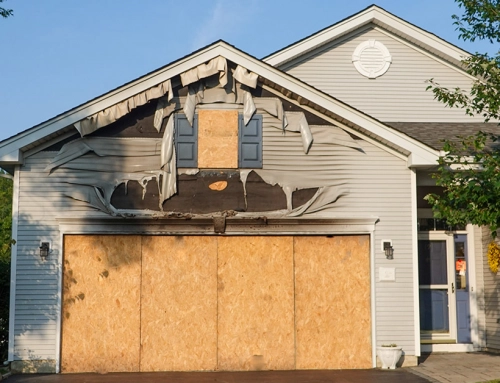
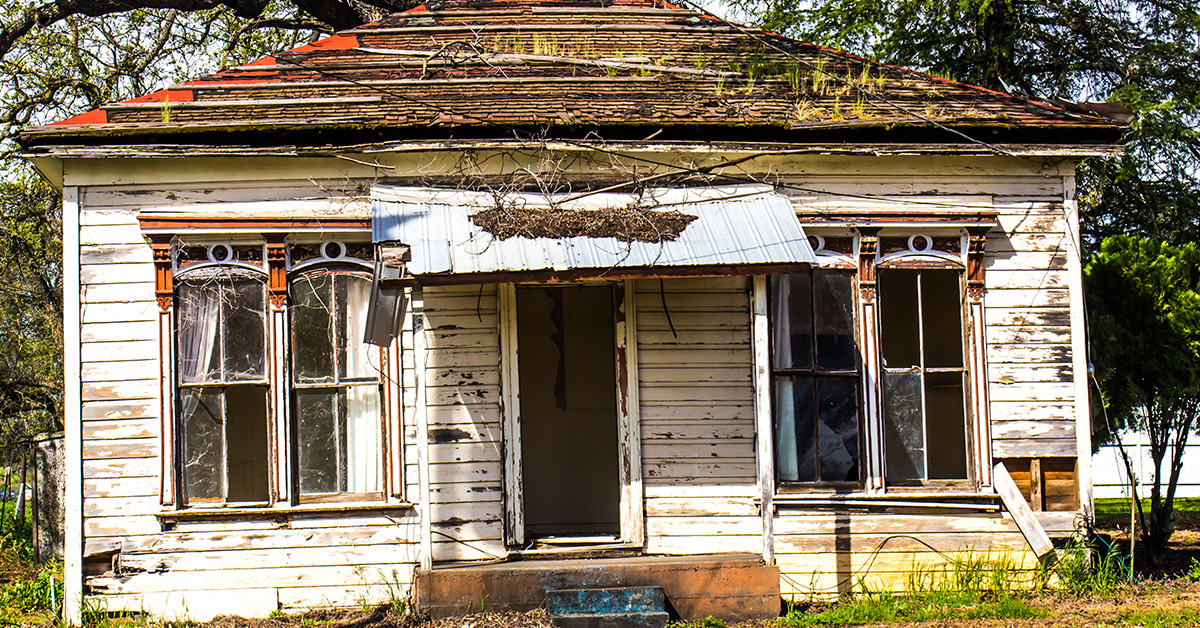 Uninhabitable house in Massachusetts? Learn how condemnation orders, repairs, and financing affect selling your property as-is.
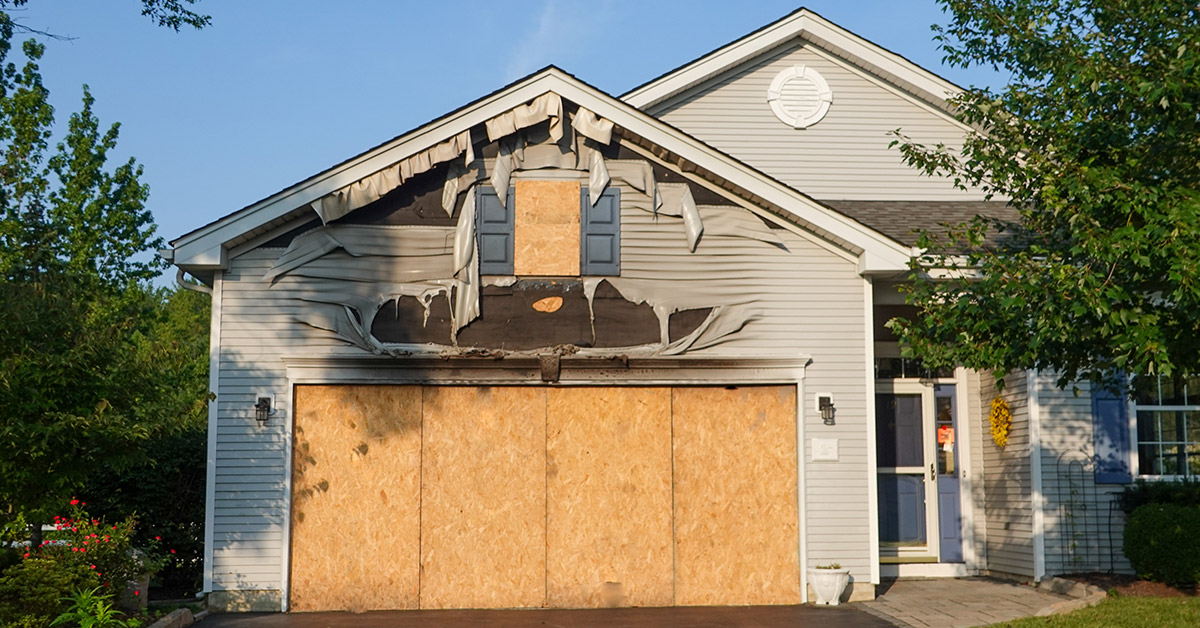 Collapsing garage in Massachusetts? Learn how repairs, demolition, inspections, and financing affect selling your house as-is.
 Failing retaining wall in Massachusetts? Learn how repairs, permits, inspections, and financing affect selling your house as-is.