
Can You Sell a House With a Collapsing Garage in Massachusetts?

Table of Contents
A collapsing garage in Massachusetts can turn an ordinary home sale into a complicated decision. Maybe the roof has started sagging, the walls are leaning, or the foundation has shifted enough that the garage doors no longer close properly. What once seemed like a minor repair has become a serious structural concern, and now you are wondering whether you can sell the property without spending thousands of dollars fixing or demolishing the garage.
Yes, you can sell a house with a collapsing garage in Massachusetts. A damaged or unsafe garage does not automatically prevent a property from being sold. However, its condition may affect buyer interest, financing, inspections, insurance, and the price someone is willing to pay.
For homeowners in Boston and Greater Boston, the bigger question is often whether repairing the garage before selling makes financial sense.
If the garage is structurally unstable, your first priority should be safety. Avoid entering or using the structure, keep others away from it, and seek appropriate professional or municipal guidance. Selling the property does not eliminate an owner’s responsibility to address an immediate danger or comply with an existing safety order.
Why Are Collapsing Garages a Problem for Massachusetts Homeowners?
Many older Massachusetts properties have detached garages that were built decades ago. Some have concrete block walls, aging wooden framing, shallow foundations, or roofing materials that have endured years of New England weather.
Over time, water infiltration, snow loads, freeze-thaw cycles, and deferred maintenance can contribute to structural deterioration.
A garage in Brookline may have a roof that has been leaking for years. A detached structure in Newton might have cracked foundation walls and a visibly leaning exterior. In Dorchester or Roslindale, an older garage may sit close to a neighboring property, making structural repairs or demolition more complicated.
Not every crack or sagging roof means a garage is about to collapse. But visible movement, significant leaning, failing supports, or a partially collapsed roof should be evaluated by an appropriate professional.
The problem for sellers is that buyers rarely see a damaged garage as an isolated issue. They may also worry about drainage, hidden structural damage, safety hazards, and the possibility of additional problems elsewhere on the property.
That uncertainty can affect the entire transaction.
Can You Legally Sell a House With an Unsafe Garage?
Generally, yes.
Massachusetts does not impose a universal requirement that every damaged garage must be repaired before a homeowner can transfer the property.
A buyer may agree to purchase a house with a garage that needs major structural work or demolition. The purchase agreement can establish how the parties intend to handle the condition and any required work.
However, an as-is sale does not override building codes, municipal orders, or other legal obligations.
If a local building official has determined that the garage is unsafe and issued an order requiring corrective action, that order must be addressed according to its terms and applicable law.
A seller and buyer may sometimes negotiate responsibility for permitted repairs or demolition, but they should not assume that a private contract automatically transfers or suspends a municipal enforcement obligation.
Before listing the property, determine whether the garage is simply deteriorated, structurally unsafe, or already subject to an official order.
Those situations can lead to very different selling decisions.
What Happens if the Town Declares Your Garage Unsafe?
A local building department may become involved when a garage appears to pose a danger to occupants, neighbors, pedestrians, or adjoining property.
A building official may inspect the structure and determine whether corrective action is necessary.
Depending on the circumstances, the municipality may require the owner to secure the area, make repairs, obtain permits, or remove an unsafe structure.
Emergency conditions can require faster action.
The Massachusetts State Building Code establishes requirements governing structural safety, repairs, alterations, and demolition. Homeowners can review the official Massachusetts State Building Code, 780 CMR for the statewide framework, although local officials determine how the applicable provisions are enforced for a particular property.
If you receive an unsafe-structure notice, do not ignore it while preparing to sell.
Ask the building department what must be done, whether permits are required, and whether an approved buyer-led repair or demolition plan is possible.
Get those answers before promising a closing date.
A buyer may be willing to take on an expensive project, but an outstanding safety order can still complicate or delay the sale.
Should You Repair a Collapsing Garage Before Selling?
Not necessarily.
Repairing the garage may increase the property’s appeal, particularly when the rest of the house is in good condition and buyers in the neighborhood place significant value on off-street parking.
However, structural garage repairs can become expensive.
A contractor may need to replace damaged framing, rebuild sections of the foundation, stabilize walls, repair the roof, or address water problems that caused the deterioration.
The work may also require engineering plans, permits, inspections, and additional repairs once damaged materials are exposed.
Before committing to a major project, obtain a professional assessment of the garage’s condition and a realistic estimate of the total cost.
Then consider how much value the repair would actually add to the property.
A garage that costs a substantial amount to rebuild may not increase the eventual sale price by the same amount.
This is especially important when the house itself also needs work.
If you are already dealing with foundation cracks, water intrusion, or other structural concerns, our guide to selling a house with foundation problems in Massachusetts explains how to evaluate repairs against an as-is sale.
The goal is not to make every part of an older property perfect. It is to make a financially sensible decision before selling.
Is It Better to Demolish a Collapsing Garage?
Sometimes demolition is more practical than repair, particularly when the garage has extensive structural deterioration.
But removing a garage is not always as simple as hiring a demolition crew.
Depending on the property and local requirements, demolition may involve a permit, utility disconnections, environmental considerations, debris removal, site grading, and protection of neighboring structures.
Older garages may also contain materials that require special handling.
If the structure is close to a property line, another building, or a shared driveway, the demolition plan may need additional attention.
Removing a garage can also change the property’s usefulness and market appeal.
For some buyers, a house without a garage is less attractive. Others may prefer the open space, particularly if the existing structure is beyond repair.
Before demolishing, compare the total cost of removal with the likely effect on the property’s value.
Also consider whether the site can legally accommodate a replacement garage in the future. Existing structures do not always conform to current zoning rules, and demolition may eliminate certain protections associated with a lawful preexisting structure.
Do not assume you can rebuild in exactly the same location without checking local zoning and permit requirements.

Does a Collapsing Garage Affect a Home Inspection?
Yes, it can.
A home inspector may identify visible signs of structural deterioration, such as leaning walls, damaged framing, roof movement, foundation cracks, or water damage.
The inspector may recommend further evaluation by a structural engineer or qualified contractor.
That recommendation can change the buyer’s expectations.
Someone who originally thought the property needed a few cosmetic updates may suddenly face the possibility of an expensive structural project.
The buyer may request repairs, seek a price reduction, ask for a credit, or reconsider the purchase if the contract permits.
A garage problem does not automatically cause a home inspection to fail. A typical buyer’s home inspection is an assessment of condition, not a government-issued pass-or-fail certificate.
However, the findings can still derail a transaction.
If your buyer has already raised concerns about the garage, read our article about selling a house after a failed buyer inspection in Boston for a closer look at the options available.
Sometimes renegotiating makes sense. Other times, selling to someone who already expects major repairs may be the better path.
Can a Buyer Get a Mortgage on a House With a Collapsing Garage?
Possibly, but serious structural problems can complicate financing.
A mortgage lender may evaluate the condition of the house and other improvements on the property when deciding whether the collateral meets its requirements.
An unsafe garage can raise questions about safety, property value, insurability, and whether repairs must be completed before closing.
The result depends on the loan program, lender, appraisal, and severity of the condition.
A detached garage that is clearly separate from the house may be viewed differently from an attached garage whose structural failure could affect the living space.
A lender may require additional information, repairs, or other conditions before approving the loan.
Some buyers may qualify for renovation financing, but those programs have their own requirements and may not fit every property.
A cash buyer does not depend on a mortgage lender’s property-condition approval.
That can remove one financing obstacle, although it does not eliminate safety obligations, title concerns, permits, or other legal requirements.
Does an Attached Garage Create Bigger Problems Than a Detached Garage?
It can.
When a garage is attached to the house, its structural condition may have direct implications for the residence.
Shared walls, roof connections, foundations, and other structural elements can make the damage more complicated to evaluate.
For example, a failing garage roof may affect adjacent framing or allow water to enter the house.
A shifting garage foundation may raise questions about whether movement extends into the main structure.
Detached garages can present serious hazards too, especially when they lean toward neighboring property, block access, or threaten nearby buildings.
However, a detached structure may sometimes be evaluated or removed with less disruption to the residence.
In either case, avoid assuming the scope of the problem based on appearances alone.
An appropriate structural assessment can help distinguish an isolated garage issue from a larger property concern.
How Much Does a Collapsing Garage Reduce Property Value?
There is no standard dollar amount.
The effect on value depends on the severity of the damage, the garage’s size and location, the cost of repair or demolition, and the expectations of buyers in the neighborhood.
A damaged one-car detached garage may have a different impact from a two-car attached garage with structural problems affecting the house.
The property’s overall condition also matters.
If the home is otherwise updated and move-in ready, buyers may focus heavily on the garage.
If the house already needs extensive renovation, a damaged garage may become one more project within a larger repair budget.
Buyers may also account for uncertainty.
A contractor’s written estimate can help reduce that uncertainty, but hidden damage and permit complications may still affect the price.
When comparing offers, look beyond the asking price.
Consider repair costs, carrying expenses, commissions, possible concessions, and the time required to complete the sale.
The best offer is not always the one with the highest number on the first page.
Do You Have to Disclose a Collapsing Garage in Massachusetts?
Massachusetts generally follows a more limited seller-disclosure framework than many other states, but that does not mean a seller can misrepresent a known structural problem.
Sellers and their agents must consider applicable disclosure obligations, including requirements involving lead paint, septic systems, and other specific matters when relevant.
A seller who makes statements about a garage must not provide false or misleading information.
Direct questions from buyers should be handled carefully and truthfully.
A known unsafe-structure order, prior engineering report, repair estimate, or permit issue may also become important during the transaction.
If the garage is visibly leaning or partially collapsed, attempting to conceal the condition is unlikely to help.
A buyer’s inspection, lender appraisal, or municipal records review may reveal the problem anyway.
An as-is contract does not provide blanket protection against fraud, misrepresentation, or other applicable legal duties.
When dealing with a significant structural concern, consult a Massachusetts real estate attorney about the specific facts and how to document the sale appropriately.
Can You Sell a House With a Collapsing Garage As-Is?
Yes, if you find a buyer willing and legally able to complete the purchase under the circumstances.
Selling as-is generally means the buyer accepts the property’s current condition, subject to the terms of the purchase agreement and applicable law.
The seller does not agree to complete major repairs before closing unless the contract requires them.
For a homeowner with a collapsing garage, this can be attractive because it avoids taking on a construction project solely to prepare the house for sale.
However, the buyer will usually consider the cost and risk of the garage problem when determining the offer.
An as-is sale may produce a lower purchase price than a fully repaired home sold through a traditional listing.
The advantage is that it may reduce the need for upfront repairs, repeated showings, and prolonged negotiations over the garage.
If an unsafe-structure order exists, the parties still need a lawful plan for addressing it.
Selling as-is is a way to allocate repair responsibilities through a transaction, not a way to ignore a dangerous condition.
Should You List the House or Sell Directly to a Cash Buyer?
The better option depends on the property’s condition, your budget, and your timeline.
If the garage can be repaired affordably and the house is otherwise in strong condition, listing with an experienced real estate agent may produce a higher net return.
If the garage requires major structural work or demolition, the decision becomes more complicated.
You may need to spend money before listing, negotiate with buyers after inspections, or wait for someone willing to finance a property with a serious defect.
A direct cash buyer may be willing to evaluate the property in its existing condition and account for the garage problem in the offer.
We Buy Old Properties purchases houses throughout Boston and Greater Boston, including older properties with significant repair needs.
Homeowners can explore the company’s cash home buying process in Greater Boston and request a no-obligation offer without first completing major renovations.
The purpose of getting an offer is not to commit to selling immediately.
It gives you another option to compare against repairing, demolishing, or listing the property.
How Do You Compare Repairing the Garage With Selling As-Is?
Start with the property’s likely value after the necessary work is completed.
Then estimate the cost of repairing or demolishing the garage, obtaining permits, and addressing any related damage.
Add the expenses associated with waiting to sell, such as property taxes, insurance, utilities, and mortgage payments.
You should also account for the cost of selling, including commissions if applicable and potential buyer concessions.
For example, suppose a repaired property might sell for $750,000.
If reaching that condition requires $45,000 in garage work, several months of carrying costs, and ordinary selling expenses, the difference between the repaired sale and an as-is offer may be smaller than it initially appears.
Those figures are illustrative, not estimates for a particular Massachusetts property.
The calculation should use actual contractor quotes and realistic market values.
Sometimes the higher retail sale price is worth the work.
Sometimes the cost, time, and uncertainty make an as-is offer more appealing.
The right decision depends on what you will actually keep at closing and how much risk you are comfortable taking.
Frequently Asked Questions About Selling a House With a Collapsing Garage
Can you sell a house with a collapsing garage in Massachusetts?
Yes. A house with a severely damaged garage can generally be sold if a buyer accepts the condition and the transaction complies with applicable legal requirements. Municipal safety orders and other obligations may still need to be addressed.
Do I have to demolish an unsafe garage before selling?
Not necessarily. Whether demolition is required depends on the condition of the structure, any official orders, and the applicable rules. A buyer may be willing to handle demolition, but that arrangement must be legally workable.
Will a collapsing garage prevent a buyer from getting a mortgage?
It may. Lenders can impose property-condition requirements, and serious structural defects may trigger repair conditions or other concerns. The outcome depends on the loan program, lender, appraisal, and property.
Is a detached garage easier to sell with than an attached garage?
Sometimes. A detached garage may present fewer direct structural concerns for the residence, but it can still create significant safety, value, and permit issues. Each property requires an individual assessment.
Can I sell my house as-is if the garage roof has partially collapsed?
Potentially, yes. However, a partially collapsed structure may present an immediate safety hazard. Secure the area, seek appropriate professional guidance, and determine whether municipal action is required before proceeding.
Will a cash buyer purchase a house with a collapsing garage?
Some cash buyers purchase properties with major structural problems, including unsafe garages. The buyer will typically evaluate repair or demolition costs, property value, legal requirements, and risk before making an offer.
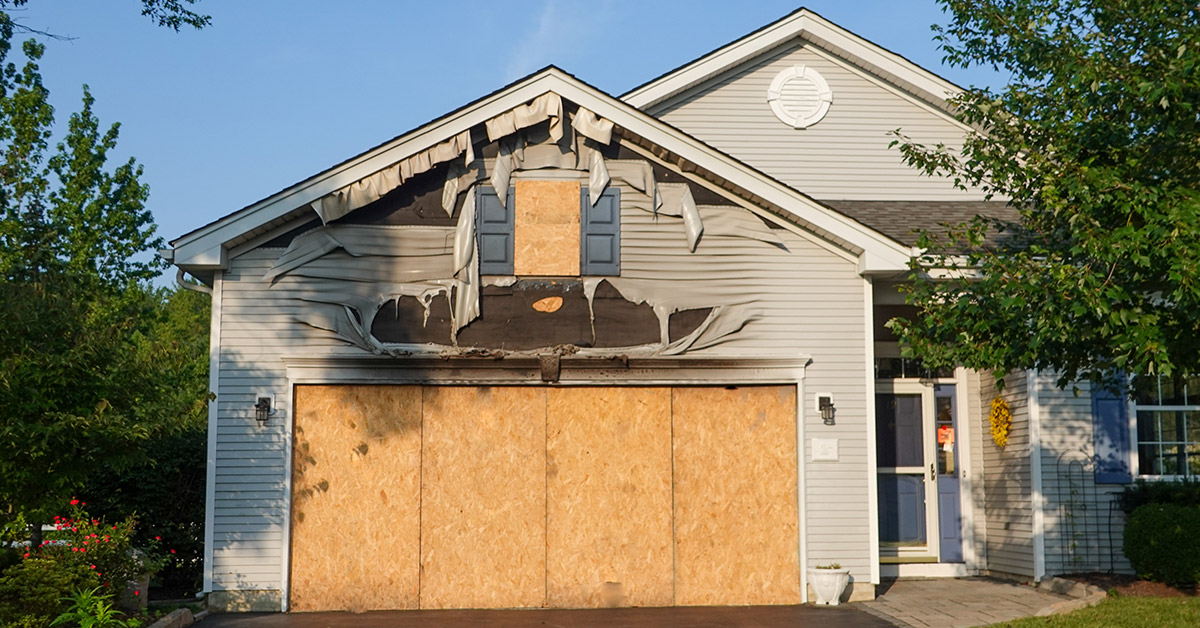 Collapsing garage in Massachusetts? Learn how repairs, demolition, inspections, and financing affect selling your house as-is.
 Failing retaining wall in Massachusetts? Learn how repairs, permits, inspections, and financing affect selling your house as-is.
 Shared driveway in Massachusetts? Learn how neighbor disputes, easements, access rights, and title problems can affect selling your house.