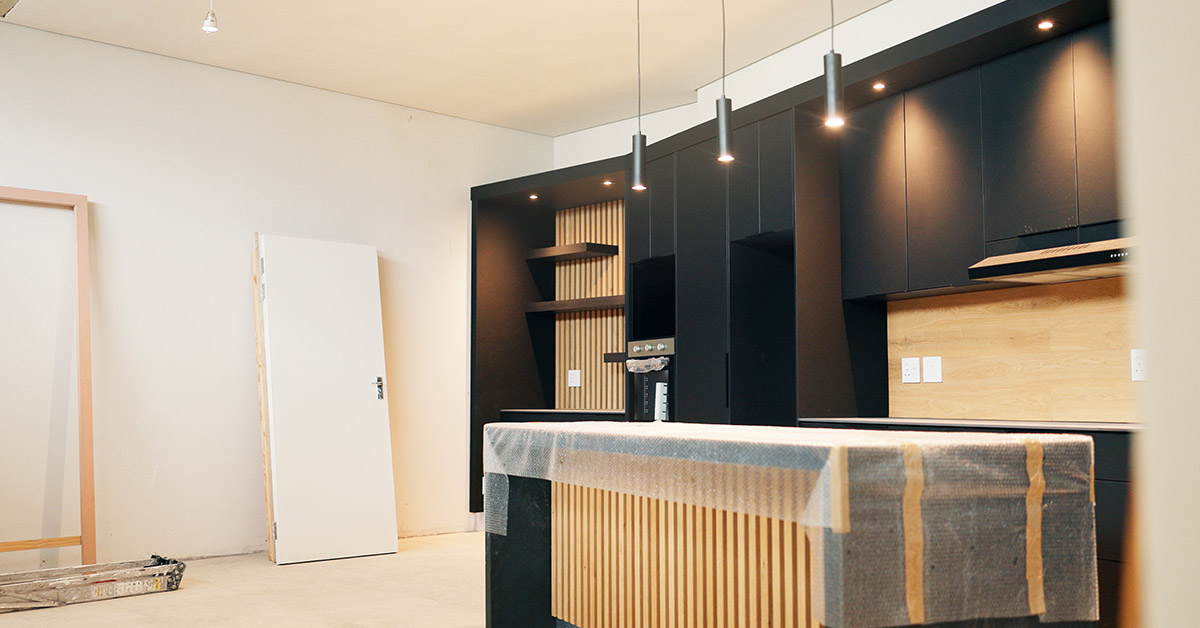
Can You Sell a Two-Family Home With an Unpermitted Third Unit in Cambridge, MA?

Table of Contents
Selling a home with an unpermitted unit in Cambridge, Massachusetts, can create unexpected financial and legal challenges. Some older two-family properties contain additional apartments that were created without the required permits or approvals. A finished basement, converted attic, or former storage area may have served as a third apartment for years without being legally recognized as a separate dwelling.
An unapproved third apartment can complicate the selling process. Buyers may question the property’s legal occupancy, lenders may refuse to consider income from the additional apartment, and inspectors may identify building or safety violations. If you own a Cambridge two-family home with an unapproved third unit, understanding your legal responsibilities and selling options can help you avoid unnecessary expenses and delays.
Why Some Cambridge Two-Family Homes Have Unpermitted Apartments
Cambridge has a large number of older residential properties throughout North Cambridge, Cambridgeport, East Cambridge, and Mid-Cambridge. Many of these buildings have undergone renovations and changes over several decades.
Previous owners may have converted basements into apartments, added kitchens to finished attics, or created separate living spaces for relatives or tenants.
In some cases, the work was completed without obtaining the required building, plumbing, electrical, or occupancy approvals.
Current owners may not even know that the additional apartment was never approved. They may have inherited the property or purchased it believing that all three units were legal.
The problem often becomes apparent when the owner decides to sell and a buyer begins reviewing municipal records.
A property that physically contains three apartments may only have approval for two.
This distinction can affect how the property is marketed, financed, and valued.
Selling a Home With an Unpermitted Unit in Cambridge: Is It Possible?
Yes. An unpermitted apartment does not automatically prevent a property from being sold.
However, selling the property and having legal permission to use the additional apartment are two separate matters.
A buyer may be willing to purchase a legally recognized two-family home that contains an unapproved third apartment. The buyer may intend to seek approval for the unit, convert it back to its original use, or complete necessary improvements after closing.
The seller must also consider existing enforcement orders, applicable disclosure requirements, tenant rights, and any conditions imposed by the purchase agreement.
When selling a home with an unpermitted unit, it is important not to advertise the property as a legally approved three-family home unless that status has been confirmed.
Providing accurate information can help reduce disputes and prevent problems during the closing process.
How Can You Determine Whether the Third Unit Is Legal?
The first step is to review the property’s municipal records.
A separate entrance, kitchen, bathroom, or utility account does not establish that an apartment is legally approved.
Even property tax records describing a building as a three-family home may not establish that all three units have the required approvals.
Relevant documents may include building permits, approved construction plans, certificates of occupancy, inspection records, and previous zoning decisions.
The City of Cambridge Inspectional Services Department maintains available property records and oversees building permits, zoning enforcement, housing inspections, and other construction-related requirements.
If the records are incomplete or inconsistent, consult a qualified Massachusetts real estate attorney or building professional.
Establishing the property’s legal status before listing can help you understand what you are selling and what issues may need attention.
What If You Purchased or Inherited the Property With an Unpermitted Apartment?
Many homeowners discover unpermitted construction that occurred long before they acquired the property.
For example, you may inherit a two-family home in North Cambridge that has contained a basement apartment for more than 20 years.
Your family may have collected rent from the apartment without questioning its legal status.
However, the fact that an apartment has existed for many years does not automatically make it legal.
Massachusetts law recognizes certain protections for qualifying preexisting uses and may limit some enforcement actions under specific circumstances. These protections depend on the property’s history and the facts of the case.
A new owner should not assume that an older apartment is exempt from current requirements.
If you discover an unapproved unit, gather available records and seek professional guidance before making promises to buyers or spending money on construction.
Can You Legalize an Unpermitted Unit Before Selling?
In some circumstances, an additional apartment may qualify for approval.
Cambridge has changed its residential zoning rules over time, and Massachusetts has expanded opportunities for certain accessory dwelling units, commonly called ADUs.
These changes may create options for some property owners.
However, they do not automatically legalize existing basement apartments, attic conversions, or other unpermitted living spaces.
The apartment may still need to satisfy applicable building, fire safety, plumbing, electrical, and occupancy requirements.
Depending on the property, necessary improvements could include emergency exits, ceiling height corrections, ventilation, fire separation, heating, or electrical upgrades.
An owner may also need professional drawings, permits, and inspections.
Before deciding to legalize an existing apartment, determine whether the unit qualifies under current rules and obtain an estimate of the required work.
For more information about unresolved construction approvals, read our guide to selling a property with open permits in Massachusetts.
What Happens if a Tenant Lives in the Unpermitted Apartment?
An occupied unpermitted apartment can create additional legal and financial challenges.
A tenant does not automatically lose all legal protections because the apartment lacks required approvals.
The property owner may still have responsibilities related to housing conditions, rental payments, security deposits, and the tenancy itself.
If municipal inspectors determine that an apartment cannot be safely occupied, the owner may face additional obligations depending on the circumstances.
Sellers should never assume they can remove a tenant without following Massachusetts law.
Changing locks, shutting off utilities, or attempting to force a tenant to leave can create serious legal problems.
Before marketing a property with an occupied unpermitted unit, consult a Massachusetts attorney who understands landlord-tenant law and real estate transactions.
A sale may still be possible, but the purchase agreement must account for the occupancy situation and any unresolved legal obligations.
How Does an Unpermitted Apartment Affect Rental Income and Property Value?
Rental income is an important factor when buyers evaluate multifamily properties in Cambridge.
An owner may believe that a building should be valued as a three-family home because it generates rent from three apartments.
However, if only two units are legally approved, a prospective buyer may not assign the same value to the third apartment.
For example, suppose the unpermitted basement apartment generates $1,800 per month in rent.
That represents $21,600 in annual gross rental income.
If a buyer cannot legally continue renting the apartment, that income may not be sustainable.
The buyer must also consider possible renovation expenses, permit costs, legal obligations, and the risk that the apartment cannot be approved.
As a result, selling a home with an unpermitted unit may produce a different financial outcome than selling a fully approved three-family property.
The property’s lawful use, location, condition, and potential for improvement will all influence buyer offers.
Can an Unpermitted Third Unit Affect Mortgage Financing?
Yes. An unapproved apartment may complicate a buyer’s ability to obtain a mortgage.
Lenders and appraisers may review the property’s legal use, physical condition, rental income, and compliance with applicable loan requirements.
If municipal records identify the building as a two-family home but the property contains three separate apartments, the lender may request additional information.
Depending on the loan program and circumstances, the lender may exclude income from the unapproved apartment, require further investigation, impose conditions on financing, or decline the loan.
This can create delays for sellers who have already accepted an offer.
A cash purchase may avoid conventional mortgage approval requirements. However, cash buyers must still evaluate the property’s condition, legal status, and potential expenses.

What If the Additional Apartment Has Shared Utilities?
Unpermitted apartments in older Cambridge homes may also have utility arrangements that were never designed for separate households.
The third apartment may share electrical circuits, a heating system, hot water equipment, or plumbing with the other units.
These arrangements can increase the cost of bringing the apartment into compliance.
They may also raise concerns about how tenants have been charged for utilities.
For example, a tenant in one of the approved apartments may unknowingly pay for electricity used in the basement unit.
Before investing in improvements, determine which utility systems serve each apartment and whether the existing billing arrangements comply with Massachusetts law.
Our guide to selling a two-family home in Cambridge with shared utilities explains how shared meters, heating systems, and utility responsibilities can affect a multifamily property sale.
Selling a Home With an Unpermitted Unit: Is Legalization Worth the Cost?
Legalizing an additional apartment may increase the property’s value, but it is not always the most profitable option.
Consider a hypothetical Cambridge property where obtaining approval for the third apartment would require $65,000 in construction and professional expenses.
The work could increase the property’s sale price by $80,000.
However, if permits, construction, and inspections take several months, the owner may incur another $12,000 in carrying costs.
The projected financial benefit would then be only $3,000 before accounting for unexpected construction expenses and differences in selling costs.
These figures are hypothetical and do not represent Cambridge market averages.
The financial risk becomes greater if the owner begins construction without knowing whether the apartment can receive final approval.
Before moving forward, compare the expected sale proceeds after legalization with the amount you could receive by selling the property in its current condition.
Required safety corrections and existing legal obligations must be considered separately from optional investments intended to increase resale value.
Do You Need to Remove the Unpermitted Apartment Before Selling?
Not necessarily.
In some situations, a buyer may purchase the property with the intention of addressing the unapproved apartment after closing.
In other cases, existing enforcement orders, safety concerns, financing requirements, or contract conditions may require action before the sale can proceed.
Removing a kitchen or disconnecting appliances does not automatically resolve an unauthorized use or building violation.
If you are considering converting the apartment back into storage, recreational space, or part of an approved dwelling, confirm what work and approvals are required.
It is important to understand your obligations before agreeing to remove walls, plumbing, appliances, or electrical systems.
Making unnecessary changes could increase your expenses without improving your selling options.
Selling a Home With an Unpermitted Unit As-Is in Cambridge
Yes. Selling as-is may be an option for homeowners who do not want to undertake an expensive legalization or renovation project.
Some buyers specialize in older properties that need repairs, construction updates, or further investigation of their legal use.
Rather than completing months of work before listing, you may be able to negotiate a sale based on the property’s existing condition.
However, an as-is sale does not eliminate applicable disclosure duties, tenant protections, enforcement orders, or other legal responsibilities.
The buyer will also consider the potential cost of resolving the unapproved apartment when determining an offer.
For homeowners exploring this option, We Buy Old Properties purchases two-family homes and other multifamily properties in Cambridge, including older properties that need substantial improvements.
Comparing a direct cash offer with the cost of legalizing the additional apartment can help you determine which approach makes financial sense.
Frequently Asked Questions About Selling a Home With an Unpermitted Unit in Cambridge, MA
Can I sell a two-family home with an illegal basement apartment in Massachusetts?
Generally, yes. However, the property’s legal use, applicable disclosures, tenant rights, and any unresolved enforcement orders must be considered.
Does an apartment become legal if it has existed for decades?
Not automatically. Certain legal protections may apply to qualifying older uses, but the age of an apartment alone does not establish that it is legal.
Can I advertise my property as a three-family home?
You should not represent the property as a legally approved three-family home unless that status has been confirmed. Misrepresenting the number of approved units can create disputes and financing problems.
Can I turn an unpermitted apartment into a legal accessory dwelling unit?
Possibly. Eligibility depends on applicable zoning rules, building conditions, safety requirements, and the property’s existing use. Updated ADU regulations do not automatically approve existing unpermitted apartments.
Can I sell the property if a tenant occupies the unapproved apartment?
A sale may be possible, but tenant rights and existing legal obligations must be addressed. Consult a qualified Massachusetts attorney before making decisions about occupancy or terminating a tenancy.
Will an unpermitted apartment reduce my home’s value?
It may. Buyers may exclude income from the unapproved apartment or reduce their offers to account for construction costs, legal uncertainty, and potential restrictions.
Will cash buyers purchase a property with an unpermitted third unit?
Some cash buyers will consider these properties. Their offers will depend on the building’s condition, lawful use, tenant arrangements, and the potential cost of resolving outstanding issues.
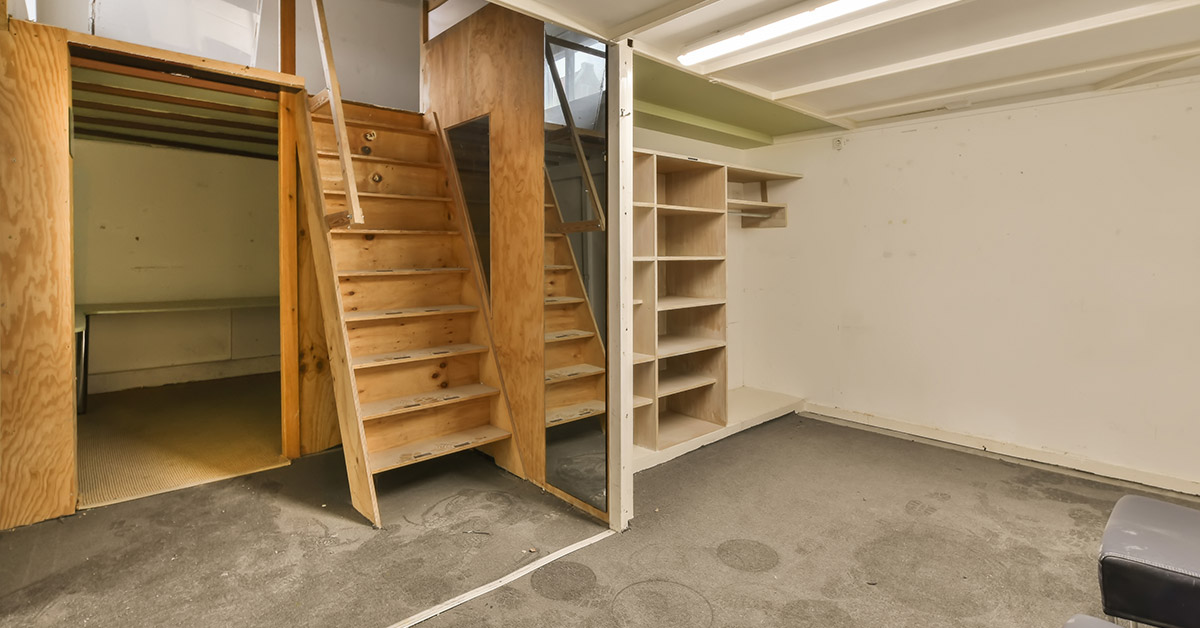 Selling a home with an unpermitted unit in Cambridge, MA? Learn how permits, tenant rights, and financing affect your options for selling as-is.
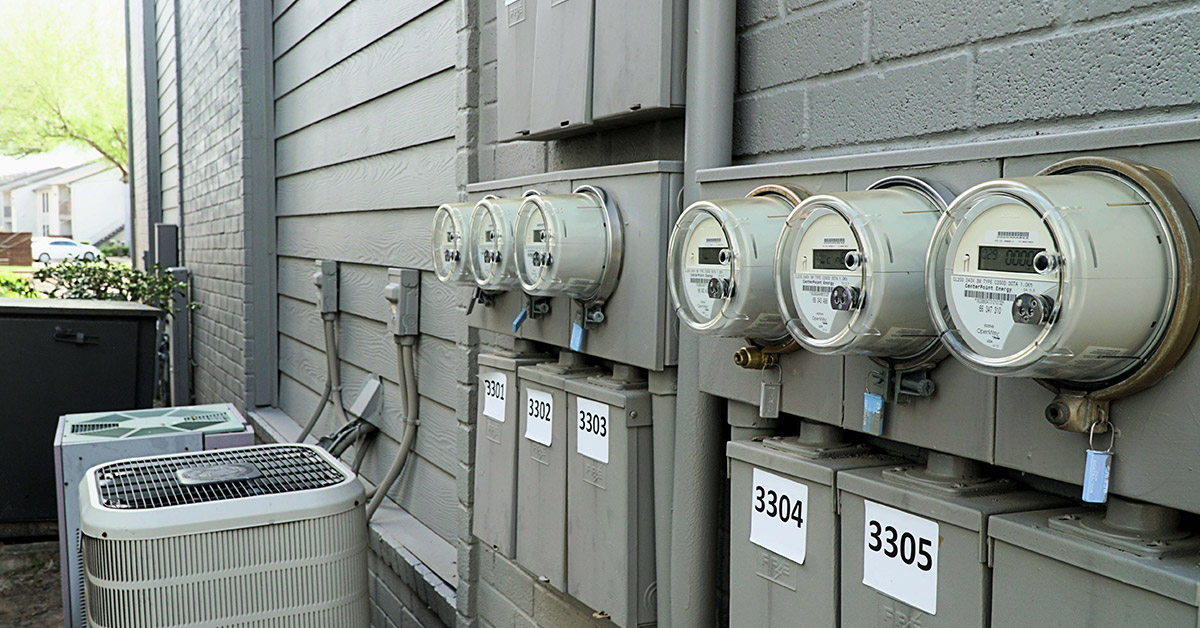 Selling a home with shared utilities in Cambridge, MA? Learn how shared meters, heating systems, and tenant utility costs affect your selling options.
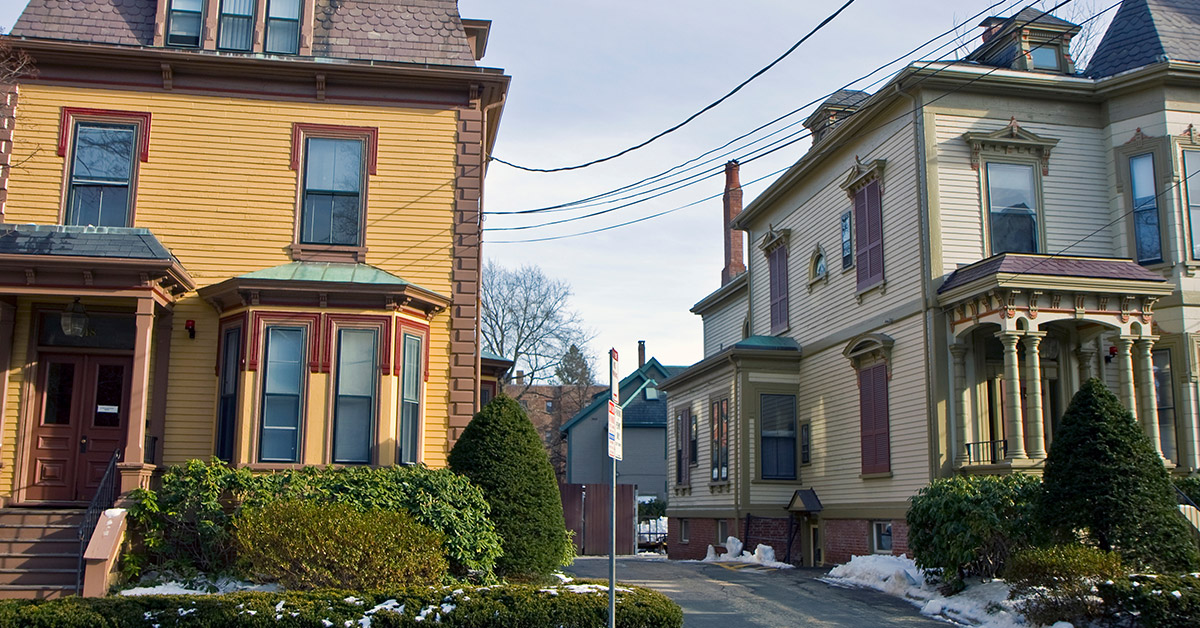 Selling a two-family home in Cambridge with one vacant unit? Learn whether renovating, renting again, or selling as-is makes financial sense.