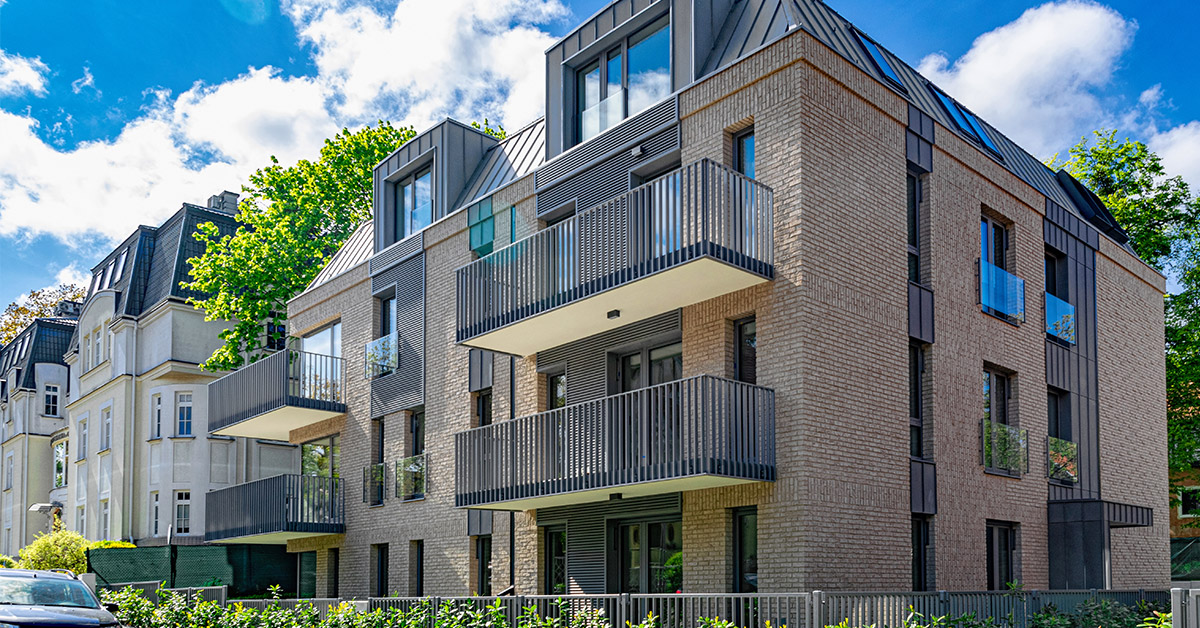
Selling a Two-Family Home in Cambridge, MA With One Vacant Unit: Should You Renovate or Sell As-Is?

Table of Contents
Owning a two-family home in Cambridge, Massachusetts, can provide rental income and long-term property value. But when one unit becomes vacant, the financial picture can change quickly. You may be collecting rent from one apartment while paying property taxes, insurance, utilities, maintenance, and mortgage expenses for the entire building. If the empty unit needs repairs, you face another decision: invest in renovations, find a new tenant, or sell the property in its current condition. For owners considering selling a two-family home in Cambridge, a vacant unit can create both opportunities and challenges.
Some buyers may appreciate the flexibility of an empty apartment, while others may focus on the lost rental income or the cost of needed improvements. Understanding how vacancy, renovations, existing tenants, and buyer expectations affect a multifamily sale can help you choose the most practical option.
Why Selling a Two-Family Home in Cambridge Is Different From Selling a Single-Family House
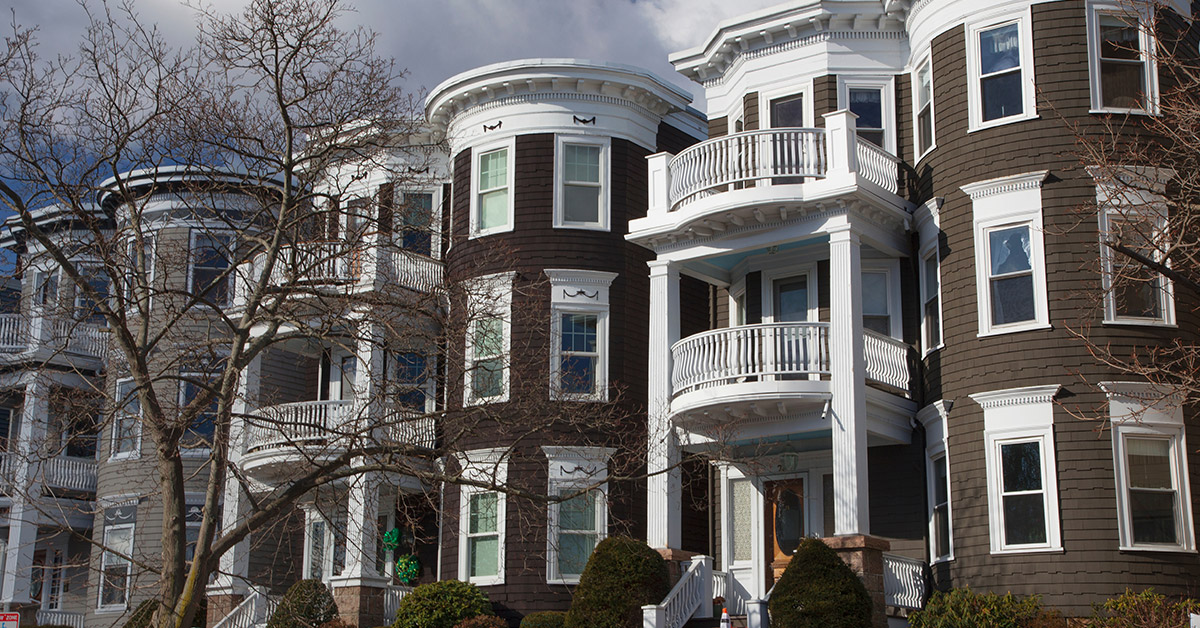
Cambridge has a mix of historic homes, converted properties, and two- and three-family buildings throughout neighborhoods such as Cambridgeport, North Cambridge, East Cambridge, and Mid-Cambridge.
These properties may attract buyers for different reasons.
An owner-occupant may want to live in one apartment while collecting rental income from the other. An investor may be interested in the property’s rental potential, operating expenses, and long-term maintenance needs.
That difference matters when one unit is vacant.
For an owner-occupant, an empty apartment may be attractive because it could provide a place to move into, subject to the property’s condition and closing arrangements.
For an investor, vacancy may represent lost income until the unit is repaired and rented.
When selling a two-family home in Cambridge, the property’s value depends on more than its appearance. Buyers may evaluate rental history, lease agreements, building condition, expenses, and the potential use of each apartment.
A strong selling strategy should account for these different buyer priorities.
Does Having One Vacant Unit Make a Cambridge Two-Family Home Harder to Sell?
Not necessarily.
A vacant unit can make a property more appealing to certain buyers because it offers flexibility.
For example, someone purchasing a two-family house in North Cambridge may want to occupy one apartment and rent the other.
If one unit is already vacant, that buyer may have fewer occupancy-related complications, assuming the unit is legally available and suitable for their intended use.
A vacant apartment may also make inspections and showings easier because access does not depend on coordinating with a tenant.
However, investors may view the situation differently.
A vacant unit produces no rental income. If it needs substantial repairs, the buyer may need to spend money before collecting rent.
The longer the apartment remains empty, the greater the potential financial impact.
For sellers, the goal is to understand whether the vacant unit creates value through flexibility or reduces value because of repair costs and lost income.
The answer depends on the building’s condition, location, and likely buyers.
Should You Renovate the Vacant Unit Before Selling?
Renovating a vacant apartment may increase its appeal, but that does not guarantee a higher net profit.
A freshly painted unit with updated flooring, working appliances, and a clean kitchen may photograph better and make a stronger impression during showings.
However, a full renovation can be expensive.
An older Cambridge apartment may need more than cosmetic improvements.
Once contractors begin work, they may discover outdated plumbing, electrical issues, moisture damage, or other problems that increase the budget.
The owner must also consider the time required for permits, inspections, materials, and contractor scheduling.
During renovations, the unit continues generating no rental income.
For someone planning to sell within a few months, a major renovation may not make financial sense.
Before beginning work, compare the expected increase in sale price with the complete renovation cost.
A project that costs $60,000 but increases the property’s value by only $40,000 would not provide a positive return on that investment.
These figures are hypothetical, but the principle is important.
The best renovation is not necessarily the one that makes the apartment look newest. It is the one that produces a financial benefit after all expenses are considered.
Which Repairs Are Worth Considering Before Listing?
Not every improvement requires a complete renovation.
If the vacant apartment is in reasonably good condition, modest repairs may improve its presentation.
Fresh paint, professional cleaning, repaired fixtures, and working appliances may help buyers see the unit’s potential.
More serious problems deserve a different approach.
Active water leaks, unsafe electrical conditions, damaged stairs, and heating problems can raise concerns about safety and the building’s overall condition.
A seller should distinguish between optional cosmetic improvements and repairs needed to address existing legal, safety, or habitability obligations.
For example, replacing an outdated but functional kitchen may be optional.
Repairing an active plumbing leak that threatens another unit may be necessary regardless of whether the owner intends to sell.
A qualified contractor can help identify the property’s most important issues.
When deciding whether to renovate, consider what buyers are likely to notice, which problems could affect financing, and whether the expected sale price justifies the expense.
What If the Vacant Unit Needs Major Repairs?
A vacant apartment may require substantial work after years of deferred maintenance or damage from a previous tenancy.
The unit might have worn flooring, damaged walls, outdated wiring, or plumbing problems.
In some cases, repairs may involve the entire building rather than just the empty apartment.
A roof replacement, foundation repair, or heating system upgrade can affect both units.
These expenses can make selling a two-family home in Cambridge more complicated.
An investor may calculate the cost of bringing the vacant unit back into rentable condition and subtract that amount from an offer.
An owner-occupant may be willing to renovate, but only if the purchase price leaves room in their budget.
Sellers should avoid assuming that every buyer expects a fully renovated property.
Some buyers specifically look for buildings they can improve.
The important consideration is whether the asking price reflects the property’s current condition.
If repairs are extensive, selling as-is may be worth comparing with the cost of completing the work yourself.
Should You Rent the Vacant Unit Before Selling the Property?
Finding a new tenant may restore rental income, but it can also change the property’s appeal to buyers.
For investors, a rented apartment with reliable income may make the building more attractive.
They can review the lease, rental history, and operating expenses to estimate potential returns.
However, an owner-occupant may prefer a vacant apartment that can be used after closing.
Signing a new lease shortly before selling could reduce flexibility for that buyer.
The lease terms also matter.
A fixed-term lease generally continues according to its terms when the property changes ownership, subject to applicable law and the agreement.
A seller should not promise that a buyer can occupy a rented unit unless the legal right to possession has been established.
Before signing a new lease, consider your likely buyer, the expected selling timeline, and whether additional rental income will outweigh any reduction in flexibility.
For some owners, keeping the unit vacant while marketing the property may make sense.
For others, restoring rental income could improve the property’s financial performance.
There is no single answer for every Cambridge two-family home.
Can You Sell a Cambridge Two-Family Home With a Tenant in the Other Unit?
Yes. A two-family property can generally be sold while one apartment remains occupied.
The existing tenancy does not automatically end when the building changes owners.
The buyer typically takes ownership subject to the tenant’s applicable rights and the terms of the tenancy.
This means the seller must provide accurate information about the lease, rental payments, deposits, and other relevant arrangements.
Showings and inspections must also respect tenant access and notice requirements.
If the occupied unit has a long-term tenant, that may be attractive to an investor seeking established rental income.
However, an owner-occupant may need to understand when and whether the apartment they want to occupy can legally become available.
Owners should never pressure tenants to leave simply because they plan to sell.
Any proposed termination of a tenancy must follow Massachusetts law and the applicable lease.
For homeowners considering a direct sale, We Buy Old Properties purchases two-family and three-family homes in Cambridge, including properties with tenants and units in different conditions.
This may provide an alternative when coordinating a traditional listing around an occupied apartment becomes difficult.

What Happens to Security Deposits When You Sell a Two-Family Rental Property?
Security deposits and prepaid rent require special attention when a rental property changes ownership.
If the occupied apartment has a tenant who paid a security deposit or last month’s rent, those funds must be handled according to Massachusetts law.
The seller cannot simply treat the tenant’s security deposit as part of the sale proceeds.
The required funds and applicable interest must be properly accounted for and transferred or credited to the new owner.
The new owner also has notification responsibilities.
Massachusetts law provides specific rules for transferring tenant deposits when ownership changes.
The Massachusetts government’s guide to security deposits and last month’s rent explains these obligations.
Before closing, gather the lease, payment records, security deposit documentation, and information about prepaid rent.
A Massachusetts real estate attorney can help ensure that the transfer is handled correctly.
Problems with deposits can create legal and financial consequences even after the property has been sold.
How Do Rental Income and Vacancy Affect the Sale Price?
Investors often evaluate a two-family home based on its income potential as well as its physical condition.
A property with two occupied units may provide immediate rental income.
A building with one vacant unit may have lower current income but offer an opportunity to improve the apartment and establish a new rental rate.
Buyers may consider several factors when evaluating the property, including the existing rent, reasonable market rent for the vacant unit, property taxes, insurance, utilities, maintenance expenses, and expected repairs.
They may also account for future vacancies and major building expenses.
For example, a buyer evaluating a Cambridgeport two-family may compare the existing tenant’s rent with the potential rent from the vacant apartment.
If the empty unit requires extensive repairs, those costs may reduce the amount the buyer is willing to pay.
However, an owner-occupant may focus more on the location, layout, and ability to live in one apartment.
This is why comparable sales should involve similar multifamily properties whenever possible.
Comparing a two-family home with a nearby single-family house may not provide an accurate picture of its value.
For broader context, our local seller’s guide to Massachusetts real estate around Boston explains why property types and neighborhood conditions can affect selling strategies across Greater Boston.
What About Lead Paint and Older Cambridge Rental Properties?
Many older Massachusetts properties were built before 1978, when lead-based paint was commonly used.
If your Cambridge two-family home was built before 1978, state and federal lead-paint requirements may apply.
Sellers must provide required lead-paint notifications and available records to prospective buyers.
Owners of rental properties also have responsibilities related to lead hazards, tenant notification, and safe renovation practices.
When a child under six lives in a pre-1978 property, Massachusetts law imposes specific lead-safety obligations.
These requirements can affect the cost and planning of renovations.
For example, a landlord preparing a vacant apartment for new tenants should not assume that repainting older surfaces is the same as ordinary cosmetic work.
Lead-safe renovation rules may apply when paint is disturbed.
Before starting major work, consult qualified contractors and confirm the applicable legal requirements.
Selling the property as-is does not eliminate required lead-paint disclosures or existing legal responsibilities.
Can You Sell a Two-Family Home in Cambridge As-Is?
Yes. Selling as-is may be an option when the vacant unit needs repairs or the owner does not want to invest in renovations.
An as-is sale generally means the seller is not agreeing to complete specified improvements before closing, subject to the purchase contract and applicable law.
This approach may appeal to landlords who want to stop managing the property or avoid additional expenses.
It can also make sense when the building has multiple repair needs.
For example, an owner in East Cambridge may have one occupied apartment in good condition and another unit that has been vacant for several months.
The vacant apartment may need a new kitchen, bathroom repairs, and electrical updates.
Rather than spend money renovating, the owner may choose to market the building in its current condition.
The sale price would likely reflect the work a buyer expects to complete.
However, an as-is sale does not mean the seller can ignore legal obligations, conceal material information where disclosure is required, or disregard tenant rights.
The terms of the agreement and the property’s condition still matter.
Is Selling to a Cash Buyer Better Than Renovating?
A direct cash sale may be worth considering when a two-family property needs significant improvements or the owner wants a simpler transaction.
Traditional buyers may rely on mortgage financing, inspections, appraisals, and negotiations over repairs.
A direct cash buyer may be willing to purchase the building with one vacant unit and one occupied apartment.
This can reduce some financing-related complications.
However, a cash offer will usually account for the property’s condition, repair costs, rental situation, and expected resale or investment value.
It may be lower than the price the property could achieve after renovations.
The decision should focus on net proceeds rather than the highest possible selling price.
Consider the money you would spend renovating, the rental income lost during construction, the time required to complete the work, and the costs of selling.
If you want to compare your options, We Buy Old Properties offers a direct cash home-buying service in Greater Boston for properties that need updates, including rental properties and homes with tenants.
Requesting an offer can provide another figure to compare against the potential proceeds from a traditional sale.
How to Compare Renovating, Renting Again, and Selling As-Is
Before making a decision, estimate the financial outcome of each option.
Suppose you own a Cambridge two-family home with one occupied unit and one vacant apartment.
The vacant unit needs approximately $45,000 in renovations.
You estimate that completing the work could increase the building’s sale price by $65,000.
However, the renovation may take three months.
During that time, you would continue paying the property’s expenses and receiving no rent from the vacant apartment.
If carrying costs and additional expenses total $12,000, the projected financial gain from renovating would be only $8,000 before considering other selling costs and unexpected problems.
These figures are hypothetical and are not estimates of Cambridge property values or renovation costs.
Now consider the alternative of renting the unit again.
You may restore monthly income, but you would also take on another tenancy and potentially limit the flexibility available to certain buyers.
Finally, consider selling the property as-is.
You may receive a lower purchase price, but you could avoid renovation expenses, extended vacancy, and months of property management.
Each option has advantages.
The best decision depends on your financial goals, the property’s condition, the existing lease, and how quickly you want to sell.
What Documents Should You Prepare Before Selling?
Selling a multifamily property often involves more paperwork than selling a single-family home.
Buyers may want to review existing leases, rent payment records, security deposit information, utility arrangements, property tax bills, and recent maintenance expenses.
If you have completed renovations, keep copies of permits, contractor invoices, and inspection records.
You should also gather information about major building systems, including the roof, heating equipment, electrical service, and plumbing.
For the vacant apartment, document its condition and identify known repairs.
If you have obtained contractor estimates, those may help buyers understand the potential cost of improvements.
Accurate records can reduce uncertainty and help buyers evaluate the property.
They can also make the closing process easier.
Before marketing the property, consult a Massachusetts real estate professional about any tenant-related or legal issues that could affect the transaction.
Frequently Asked Questions About Selling a Two-Family Home in Cambridge, MA
Can I sell a two-family home in Cambridge if one apartment is vacant?
Yes. A vacant apartment does not prevent a sale. Some buyers may appreciate the flexibility, while investors may consider the lost rental income and any necessary repairs.
Should I renovate the vacant apartment before selling?
It depends on the renovation cost and the expected increase in the property’s value. Minor improvements may help, but major renovations do not always produce a positive financial return.
Can I sell my Cambridge two-family home with a tenant still living there?
Yes. The property can generally be sold with an existing tenant, subject to applicable lease terms and tenant protections. The buyer typically assumes the landlord’s responsibilities.
Will a vacant unit lower the value of my two-family home?
Not necessarily. Investors may account for lost income, while owner-occupants may value the ability to move into an available unit. Condition, location, and buyer demand also affect value.
Should I find a new tenant before listing my two-family property?
That depends on your selling strategy. A new lease may appeal to investors seeking rental income but could reduce flexibility for buyers who want to occupy the apartment.
Can I sell a two-family home that needs major repairs?
Yes. Some buyers purchase multifamily properties with outdated kitchens, aging systems, or other repair needs. The expected cost of improvements may affect their offers.
How quickly can I sell a two-family home in Cambridge for cash?
The timeline depends on the buyer, title, existing tenancy, legal requirements, and closing arrangements. A cash purchase may avoid mortgage financing delays, but sellers should confirm the proposed closing schedule before accepting an offer.

 Selling a two-family home in Cambridge with one vacant unit? Learn whether renovating, renting again, or selling as-is makes financial sense.
 Selling an outdated home in Newton, MA? Learn which renovations may pay off, what repairs can cost, and when selling as-is makes sense.
 Want to sell condo with special assessment costs in Brookline, MA? Learn who pays, how assessments affect buyers, and your options for selling.