
Can You Sell a House With a Second Mortgage or HELOC in Massachusetts?

Table of Contents
- Table of Contents
- Can You Sell a House With Two Mortgages in Massachusetts?
- What Is the Difference Between a Second Mortgage and a HELOC?
- What Happens to Your HELOC When You Sell Your House?
- How Are Two Mortgages Paid Off at Closing in Massachusetts?
- What If Your House Is Worth Less Than Both Mortgages Combined?
- Can You Sell a House With a HELOC Without Paying It Off First?
- Can You Sell a House for Cash With a Second Mortgage in Boston?
- What If Your House Needs Repairs and You Still Have a HELOC?
- Can a Second Mortgage or HELOC Delay Your Home Sale?
- Should You Pay Off Your HELOC Before Selling?
- How to Prepare for Selling a House With Two Mortgages
- Frequently Asked Questions About Selling a House With a Second Mortgage or HELOC
- Sell Your Massachusetts House With Confidence
Selling a house in Massachusetts can become more complicated when you have more than one loan secured against the property. Many homeowners take out a second mortgage or home equity line of credit (HELOC) to pay for renovations, consolidate debt, or cover major expenses. But when it is time to sell, they may wonder whether those additional loans will prevent the transaction from moving forward. The good news is that you can sell a house with a HELOC or second mortgage in Massachusetts.
However, both loans generally must be paid off or otherwise resolved before the buyer can receive clear title. Understanding how mortgage payoffs work, what happens when the sale proceeds are insufficient, and how a cash buyer may fit into the process can help homeowners avoid unexpected problems at closing.
Can You Sell a House With Two Mortgages in Massachusetts?
Yes. Massachusetts homeowners can sell a property even when it has a first mortgage and a second mortgage.
A second mortgage is an additional loan secured by the property. It may be a home equity loan, a HELOC, or another mortgage taken out after the original financing.
When the property is sold, the lenders’ liens must generally be satisfied or released as part of the closing process.
The first mortgage typically has priority over a second mortgage, although actual lien priority depends on the recorded documents and applicable law.
For example, suppose you own a house in Brookline with a remaining first mortgage balance of $350,000 and a second mortgage balance of $75,000.
If the property sells for $600,000, the proceeds may be sufficient to pay off both loans and cover selling expenses.
However, if the house sells for only $400,000, the proceeds may not cover both loans and closing costs.
The homeowner would then need to address the shortfall before completing the transaction.
The key is understanding how much you owe on every loan, not just your original mortgage.
What Is the Difference Between a Second Mortgage and a HELOC?
Although the terms are sometimes used interchangeably, a traditional home equity loan and a HELOC work differently.
A home equity loan typically provides a lump sum of money that the homeowner repays over an agreed period. Payments are often fixed, depending on the loan terms.
A home equity line of credit works more like a revolving credit account. Homeowners can borrow money up to an approved limit during the draw period, repay amounts, and potentially borrow again.
Both products generally use the house as collateral.
That means the lender has a legal interest in the property until the debt is satisfied and the lien is released.
For homeowners planning to sell, this distinction matters because a HELOC may remain open even after the balance reaches zero.
An open credit line can complicate the closing process if the lender has not formally closed the account and arranged for the lien to be discharged.
What Happens to Your HELOC When You Sell Your House?
When you sell a house with a HELOC, the outstanding balance generally must be paid in full as part of the transaction.
If you plan to sell a house with a HELOC, understanding your lender’s payoff requirements before closing can help prevent delays and unexpected expenses.
The closing attorney typically coordinates the payoff with the lender and ensures the required documentation is obtained.
According to the Consumer Financial Protection Bureau’s guide to home equity lines of credit, homeowners who sell their property are generally required to repay their HELOC in full.
The payoff amount may include the outstanding principal, accrued interest, and applicable fees.
Homeowners should not assume that the balance shown on their most recent statement represents the exact amount required to close the account.
Interest may continue to accrue until the payoff date. Some agreements also contain early closure charges or other fees.
Before selling, request a written payoff statement from the HELOC lender and confirm the steps required to close the account.
If you still have access to the credit line, avoid making additional withdrawals while preparing for closing unless you have coordinated them with your lender and attorney.
A new withdrawal could change the payoff amount and create delays.
How Are Two Mortgages Paid Off at Closing in Massachusetts?
In a typical Massachusetts real estate transaction, the closing attorney obtains the information needed to satisfy outstanding mortgages and other recorded liens.
The attorney reviews the title and coordinates the required payments and lien releases.
The sale proceeds are used to satisfy the mortgage obligations according to their legal priority and the agreed closing arrangements.
After the required debts and selling expenses are paid, any remaining proceeds belong to the seller.
Consider the following hypothetical example involving a house in Newton.
| Transaction Item | Amount |
|---|---|
| Home sale price | $650,000 |
| First mortgage payoff | $380,000 |
| Second mortgage payoff | $85,000 |
| Estimated selling expenses | $35,000 |
| Estimated remaining proceeds | $150,000 |
In this example, the homeowner could receive approximately $150,000 before any additional adjustments or applicable taxes.
The amounts are illustrative. Actual closing expenses depend on the purchase agreement, loan balances, property taxes, legal fees, and other transaction costs.
The important point is that the amount you receive from selling your house is not the same as the sale price.
Homeowners should calculate their estimated net proceeds before accepting an offer.
What If Your House Is Worth Less Than Both Mortgages Combined?
One of the biggest challenges arises when the combined mortgage balances exceed the amount the homeowner can receive from selling the property.
This situation is commonly called negative equity.
For example, imagine a homeowner in Boston owes $400,000 on the first mortgage and $100,000 on a HELOC.
The total mortgage debt is $500,000.
If the property is worth only $460,000, the homeowner has a $40,000 shortfall before accounting for closing expenses.
Selling the property at its current market value would not generate enough money to pay both loans in full.
In this situation, the homeowner may need to contribute additional funds at closing or negotiate with the lenders.
A short sale may be possible if the required lenders agree to accept less than the amounts owed.
However, lender approval is not guaranteed, and an agreement to release a lien does not always mean the remaining debt has been forgiven.
For a more detailed explanation, read our guide to selling a house with an underwater mortgage in Massachusetts.
Understanding these options early can help homeowners avoid accepting an offer that cannot close under the existing loan terms.
Can You Sell a House With a HELOC Without Paying It Off First?
In most cases, homeowners do not need to pay off their HELOC before listing the property or accepting an offer.
The loan can generally be paid from the proceeds at closing, provided sufficient funds are available.
However, the lender’s lien must be properly addressed before the buyer receives clear title.
If the sale proceeds are not enough to satisfy the debt, the homeowner must work with the lender and closing attorney to determine what arrangements are possible.
A homeowner should also confirm whether the HELOC account must be formally closed before the lien can be released.
Even a HELOC with a zero balance may require additional paperwork.
This is why homeowners should notify their closing attorney about every mortgage and home equity loan attached to the property.
Waiting until the final days before closing can create avoidable delays.

Can You Sell a House for Cash With a Second Mortgage in Boston?
Yes. A cash buyer may purchase a house with a second mortgage or HELOC, provided the outstanding loans and liens can be properly resolved.
Homeowners who want to sell a house with a HELOC may consider a cash buyer when their property needs repairs or they prefer to avoid a traditional listing.
For some Massachusetts homeowners, selling directly to a cash buyer may offer an alternative to listing the property through a real estate agent.
A traditional sale may involve preparing the house for showings, negotiating repairs, waiting for financing approval, and managing inspection concerns.
A cash buyer may be willing to purchase the property in its current condition without requiring the homeowner to complete major renovations.
This can be especially useful for owners of older homes in Boston, Brookline, Cambridge, Somerville, Quincy, and surrounding communities.
However, a cash transaction does not eliminate the homeowner’s mortgage obligations.
The first mortgage, second mortgage, and any additional liens must still be addressed through the closing process.
If the cash offer is lower than the combined payoff amounts, the homeowner may need to provide additional funds or obtain lender approval for a reduced payoff.
Cash buyers can sometimes offer more flexibility around property condition and closing schedules, but they cannot bypass the legal rights of mortgage lenders.
What If Your House Needs Repairs and You Still Have a HELOC?
Many Massachusetts homeowners use home equity loans or HELOCs to finance renovations.
Unfortunately, repairs do not always go according to plan.
A homeowner may borrow money to replace a roof, renovate a kitchen, update plumbing, or repair structural damage, only to discover that the project costs more than expected.
In other situations, a contractor may leave work unfinished, or additional problems may appear after renovations begin.
The homeowner may then be left with an unfinished property, an existing mortgage, and a second loan that still needs to be repaid.
This can make selling through traditional channels more difficult.
Potential buyers may be concerned about unfinished construction, outdated systems, foundation problems, or other conditions that affect financing and insurance.
A cash buyer may be willing to evaluate the property as-is and account for the necessary work in the purchase offer.
However, the homeowner must still compare the offer with the combined loan payoffs and closing expenses.
Our article on selling a distressed property in Boston, Massachusetts explains how homeowners can approach selling a property that needs significant repairs.
For owners who cannot afford to complete renovations, understanding the full financial picture is essential before choosing a selling strategy.
Can a Second Mortgage or HELOC Delay Your Home Sale?
Yes. Although having two mortgages does not automatically prevent a sale, additional loans can create more paperwork and coordination.
One common problem involves obtaining accurate payoff statements.
The closing attorney needs current information from each lender to determine how much must be paid.
If a lender takes longer than expected to provide the necessary documents, the closing may be delayed.
A HELOC can create another issue when the account remains open or the lender has not completed the steps required to release its lien.
Discrepancies between recorded mortgage documents and lender records can also require additional attention.
Homeowners should address these issues as early as possible.
If the property has other title complications, our guide to selling a house after a failed buyer inspection in Boston explains how unexpected problems can affect a transaction and create further delays.
The more information your closing attorney has before the sale, the easier it is to identify issues that could interfere with closing.
Should You Pay Off Your HELOC Before Selling?
Paying off a HELOC before selling may make sense in some situations, but it is not always necessary.
If the homeowner has sufficient equity, the HELOC can often be paid directly from the sale proceeds at closing.
Paying it off early may simplify the transaction, particularly if the lender requires additional time to close the account and discharge the lien.
However, homeowners should consider whether using savings to pay off the HELOC would leave them without enough funds for moving expenses, other debts, or unexpected costs.
It is also important to review the loan agreement for possible early closure charges.
A homeowner who plans to sell soon should contact the HELOC lender to understand the payoff requirements before making a decision.
The goal is not simply to eliminate the loan as quickly as possible. It is to complete the sale while protecting the homeowner’s financial interests.
How to Prepare for Selling a House With Two Mortgages
Before putting a Massachusetts house on the market, homeowners should establish exactly how much they owe.
Before you sell a house with a HELOC, confirm the outstanding balance, request a payoff statement, and make sure your closing attorney knows about the additional loan.
Start by requesting written payoff statements for the first mortgage and any second mortgage, home equity loan, or HELOC.
Next, determine the property’s approximate market value in its current condition.
If the house needs substantial repairs, avoid relying only on the prices of fully renovated properties in the same neighborhood.
A realistic valuation can help determine whether the expected sale proceeds will cover the outstanding debts.
Homeowners should also estimate selling expenses, including negotiated real estate commissions, attorney fees, applicable transfer taxes, and other closing costs.
Once these figures are available, compare the potential net proceeds from a traditional listing with any direct cash offers.
If the numbers suggest that the sale will not cover all outstanding obligations, contact the lenders and consult a Massachusetts real estate attorney before entering a purchase agreement.
Taking these steps can help prevent last-minute surprises and provide a clearer understanding of the available options.
Frequently Asked Questions About Selling a House With a Second Mortgage or HELOC
Can I sell my house in Massachusetts if I have two mortgages?
Yes. Homeowners can sell a property with two mortgages, but both loans generally must be paid off or otherwise resolved before the buyer receives clear title. The proceeds from the sale are commonly used to satisfy the outstanding balances at closing.
Do I have to pay off my HELOC before selling my house?
Not necessarily. A HELOC can often be paid off using the sale proceeds at closing. However, the lender must provide the required payoff information and arrange for the lien to be released.
What happens if my house sells for less than I owe on both mortgages?
If the sale proceeds are insufficient, you may need to contribute additional funds or obtain lender approval for a reduced payoff. A short sale may be an option in some situations, but approval is not guaranteed.
Can a cash buyer purchase my house if I have a second mortgage?
Yes. Cash buyers may purchase properties with second mortgages or HELOCs. However, the loans and liens must still be resolved. A cash purchase does not automatically eliminate the debt.
Will selling a house with a HELOC hurt my credit?
Selling a property and paying the HELOC in full generally does not have the same credit consequences as defaulting on the loan. However, missed payments, short sales, or negotiated debt settlements may affect your credit history.
Can I sell my house if my HELOC balance is zero?
Yes, but a zero balance does not necessarily mean the HELOC account is closed or the lien has been released. Contact your lender to confirm the steps required to close the account and clear the title.

 Can you sell a house with a HELOC in Massachusetts? Learn how second mortgage payoffs work, what happens at closing, and your options.
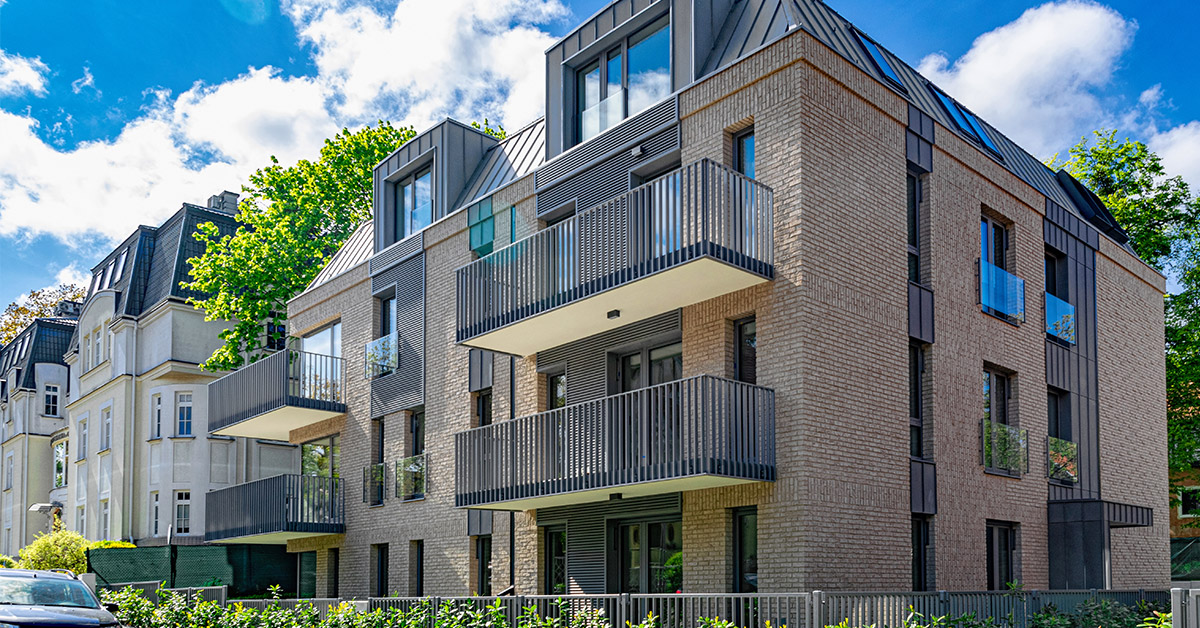 Have an underwater mortgage in Massachusetts? Learn how to sell with negative equity, explore short sales, and understand your options.
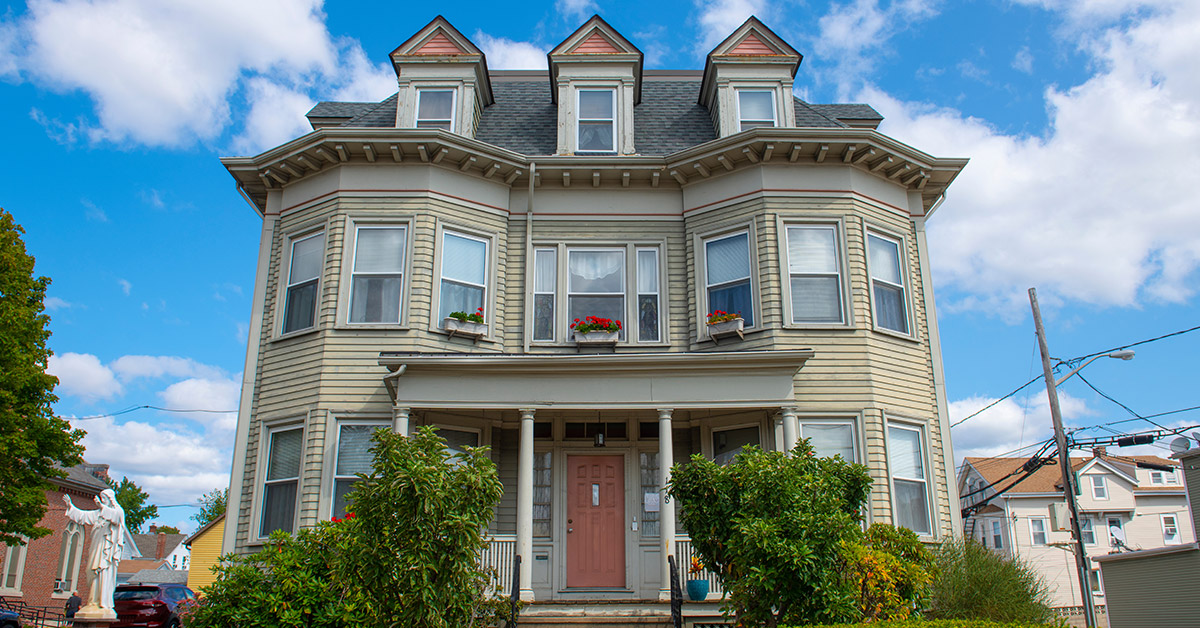 How much do cash home buyers Boston homeowners contact actually pay? Learn what affects cash offers and how to compare your selling options.