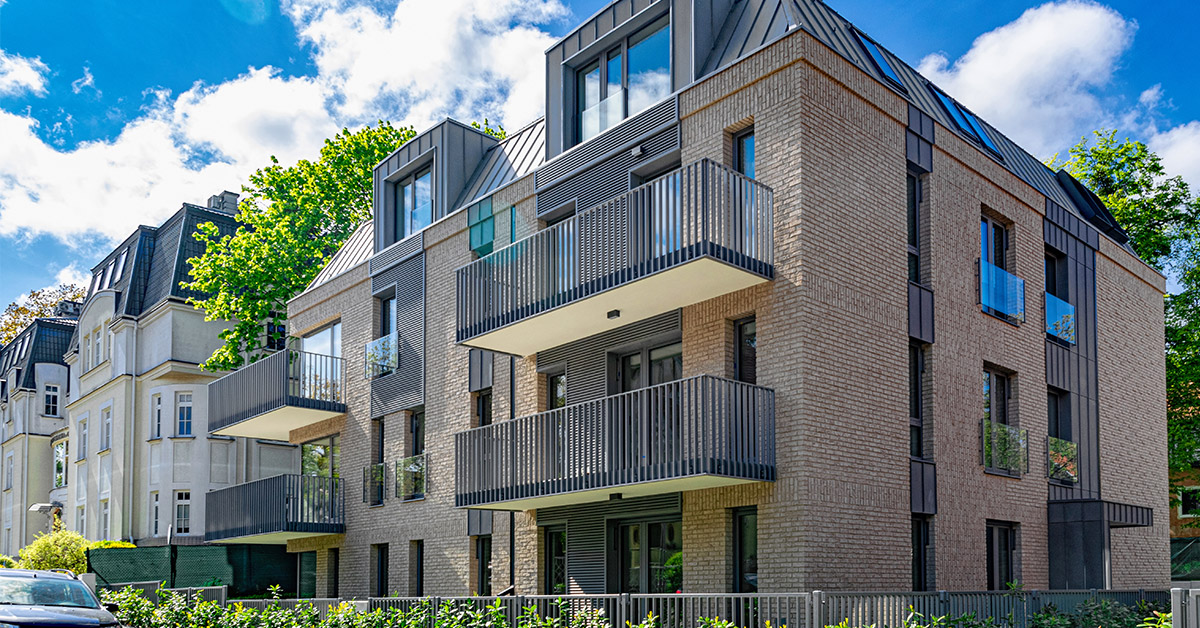
Selling a Condo in Brookline, MA With a Special Assessment: What Are Your Options?

Table of Contents
Owning a condominium in Brookline, Massachusetts, can offer many advantages, from convenient access to Boston to established neighborhoods and shared building maintenance. But condo ownership also means sharing responsibility for the building’s major expenses. When a condominium association announces an unexpected special assessment, owners may suddenly face thousands of dollars in costs they never planned for. If you need to sell a condo with a special assessment in Brookline, you may be wondering whether you must pay the assessment before closing, whether a buyer will accept the expense, or whether selling the unit as-is is possible.
The answer depends on the condominium documents, the assessment schedule, the property’s condition, and the terms negotiated with the buyer. Understanding these factors can help you make a practical decision without taking on unnecessary financial risk.
What Is a Condo Special Assessment in Brookline, MA?
A special assessment is an additional charge imposed by a condominium association to cover expenses that regular monthly condominium fees or reserve funds cannot fully pay.
Condo associations typically collect monthly fees to cover shared expenses such as building insurance, landscaping, common-area maintenance, utilities, and routine repairs.
However, major projects can cost much more than the association has available.
For example, a Brookline condominium building may need a new roof, major masonry repairs, replacement of an aging heating system, or extensive work on exterior balconies.
If the association does not have enough money in its reserve account, it may approve a special assessment to help pay for the project.
The cost is generally allocated among unit owners according to the condominium’s governing documents and applicable Massachusetts law.
Depending on the building and the project, an individual owner’s share could be a few thousand dollars or substantially more.
For a homeowner who is already considering selling, an unexpected assessment can change the financial picture.
Why Are Special Assessments a Concern for Older Brookline Condos?
Brookline has a wide variety of condominium properties, including units in older multifamily houses, converted residences, and larger apartment-style buildings.
Many of these properties have architectural character and desirable locations. However, older buildings can also require substantial maintenance.
A condominium association may discover that the roof needs replacement, exterior brickwork has deteriorated, or aging plumbing must be repaired throughout the building.
In some cases, the association may have postponed major improvements because of limited reserve funds.
When those projects can no longer wait, owners may face a significant financial obligation.
Consider a hypothetical six-unit condominium building in Brookline Village that needs $180,000 in major repairs.
If the expense were divided equally, each unit would be responsible for $30,000. Actual allocations may differ based on the condominium documents.
For an owner planning to move, downsize, or sell an inherited condo, an unexpected $30,000 assessment could create financial pressure.
The assessment may also affect how prospective buyers evaluate the property.
Can You Sell a Condo With a Special Assessment in Massachusetts?
Yes. A special assessment does not automatically prevent a condominium owner from selling.
However, the assessment must be addressed as part of the transaction.
The seller and buyer need to understand how much is owed, when payments are due, and whether additional assessments have been approved or are being considered.
If the assessment has already become due, the condominium association may have a lien against the unit for the unpaid amount.
Massachusetts General Laws Chapter 183A, Section 6 establishes condominium associations’ rights concerning common expenses, assessments, and liens.
The law also provides a process for obtaining a statement of unpaid condominium charges, commonly called a 6(d) certificate.
You can review the official Massachusetts condominium assessment and lien law for additional information.
For sellers, the important point is that an outstanding assessment should be identified early.
Waiting until the closing attorney discovers an unpaid balance can create unnecessary delays.
Who Pays a Special Assessment When a Condo Is Sold?
One of the most common questions is whether the seller or buyer must pay the assessment.
There is no single answer that applies to every Brookline condo sale.
Responsibility depends on when the assessment becomes due, the condominium’s governing documents, and the terms of the purchase agreement.
If the assessment is already due and payable, the seller may need to satisfy it before or at closing.
If the association has approved an assessment with payments scheduled after closing, the buyer and seller may negotiate how those future installments will be handled, subject to applicable legal requirements.
For example, imagine a Brookline condo owner receives notice of a $24,000 special assessment, payable in four installments.
The owner pays the first $6,000 installment before listing the property.
The remaining $18,000 is scheduled for payment over the following year.
A buyer may request that the seller pay the remaining balance at closing. Another buyer may agree to assume future payments in exchange for a lower purchase price.
The purchase agreement should state clearly how the assessment will be handled.
A Massachusetts real estate attorney should review the condominium documents and confirm what obligations can be transferred and what must be paid before closing.
What Happens if You Cannot Afford the Special Assessment?
An unexpected assessment can be difficult to manage, particularly when the owner is already paying a mortgage, property taxes, insurance, and monthly condo fees.
Some associations allow owners to pay large assessments in installments.
Others may offer financing arrangements or approve a loan to fund the building project.
However, these options depend on the association’s policies and financial circumstances.
If you cannot afford the assessment, contact the condominium trustees or management company before missing a payment.
Ask whether an installment plan is available and whether the association has approved any alternative payment arrangements.
Do not assume that refusing to pay will delay the project or eliminate your responsibility.
Unpaid condominium assessments can result in additional charges and liens. In serious cases, condominium associations may pursue legal action to enforce their rights.
If selling is already part of your plans, obtaining a realistic estimate of the condo’s value may help you determine whether the sale proceeds can cover the outstanding assessment.
If you need to sell condo with special assessment obligations still outstanding, understanding the association’s payment requirements can help you avoid unexpected problems at closing.
Can an Unpaid Condo Assessment Delay Closing?
Yes. An unpaid special assessment can create title and closing complications.
When a condominium is sold in Massachusetts, the closing attorney typically requests a statement from the association showing outstanding common expenses and other assessed charges.
This document is commonly known as a 6(d) certificate.
It helps establish the amounts owed to the association and is used in addressing condominium liens during the transfer.
If the seller has unpaid assessments, the closing attorney may need to arrange payment from the sale proceeds.
Additional documentation may be required when the association has approved future installments or other financial obligations.
Problems can arise when the amount owed is disputed, the association has not provided the required documentation, or the sale proceeds are insufficient to cover the seller’s obligations.
These issues should be addressed before the scheduled closing date.
A seller who discovers an assessment problem late in the process may face a delayed closing or additional negotiations.

How Do Special Assessments Affect Condo Buyers and Mortgage Approval?
A special assessment can affect more than the seller’s finances.
Buyers may be concerned about the size of the assessment, the condition of the building, and whether additional expenses are likely.
A buyer purchasing a condo in Coolidge Corner may be comfortable with an assessment for a planned roof replacement.
However, the same buyer may become concerned if the association has limited reserves, unresolved structural problems, or a history of unexpected expenses.
Mortgage lenders also review condominium projects as part of the financing process.
Depending on the loan program, lenders may consider the association’s budget, insurance, reserves, pending litigation, building condition, and significant repairs.
A large assessment does not automatically prevent mortgage approval.
However, the underlying reason for the assessment may raise concerns.
For example, an assessment for routine improvements is different from an assessment related to unresolved structural safety problems.
If the building does not meet the lender’s condominium eligibility requirements, the buyer may have difficulty obtaining financing.
This can affect the seller’s timeline and the certainty of the transaction.
Should You Pay the Assessment Before Listing Your Brookline Condo?
Paying the assessment before listing may simplify the sale, but it is not always the best financial decision.
If you have sufficient funds, satisfying the outstanding balance can remove one concern for prospective buyers.
It may also make the closing process more straightforward.
However, paying a large assessment does not guarantee that the condo will sell for enough additional money to recover the expense.
Suppose you owe $20,000 for exterior building repairs.
Paying the assessment may make the unit easier to market, but buyers will still evaluate the building’s condition, monthly condo fees, and overall financial health.
Before making a large payment, ask the association for a current account statement and details about any future assessments.
Then compare the likely proceeds from selling after payment with the proceeds from negotiating the assessment as part of the sale.
A real estate professional and closing attorney can help you evaluate the practical and legal implications.
What if the Building Needs Major Repairs?
Sometimes the special assessment is only one part of a larger problem.
An older Brookline condo building may need extensive roof repairs, masonry restoration, structural improvements, or replacement of shared plumbing and heating systems.
These projects can take months to complete.
During that time, owners may face construction noise, restricted access, temporary disruptions, and uncertainty about final costs.
Prospective buyers may hesitate if the scope of work is unclear.
They may also worry that the current assessment will not cover the entire project.
Before listing, request available engineering reports, approved project budgets, contractor estimates, and meeting minutes from the condominium association.
Understanding the building’s condition can help you respond to buyer questions and avoid surprises during negotiations.
If a buyer withdraws after learning about the property’s condition, the situation may resemble the problems discussed in our guide to selling a house with a failed buyer inspection in Boston.
The same principle applies to condos: understanding the problem before negotiating gives the seller more control.
Can You Sell a Brookline Condo As-Is With a Special Assessment?
Yes. Selling a condo as-is may be an option when the owner does not want to renovate the unit or manage a lengthy traditional sale.
Homeowners who want to sell condo with special assessment costs still pending should compare their expected sale proceeds with the outstanding balance and any future payments.
An as-is sale generally means the buyer agrees to purchase the property in its existing physical condition, subject to the contract and applicable law.
However, selling as-is does not eliminate outstanding assessments, association liens, or legal obligations.
These financial issues must still be addressed through the transaction.
A cash buyer may be willing to purchase a dated condo that needs interior updates or is located in a building undergoing major repairs.
Because the purchase does not depend on conventional mortgage financing, certain lender-related complications may be avoided.
However, a cash buyer will still consider the assessment amount, building condition, condominium documents, and any future financial obligations when determining an offer.
For owners exploring this option, our Brookline cash home-buying service explains how We Buy Old Properties evaluates homes and condos in their current condition.
A direct sale may be worth comparing with a traditional listing, particularly when the owner wants to avoid spending additional money before selling.
How to Compare a Traditional Condo Sale With a Cash Offer
The best selling strategy depends on the amount of the assessment, the condo’s condition, and your financial goals.
A traditional listing may attract more potential buyers and produce a higher sale price.
However, it may also involve staging, showings, inspection negotiations, financing contingencies, and time on the market.
A cash offer may provide a simpler process, but the offer could be lower because the buyer accounts for property condition, outstanding assessments, and other risks.
The most useful comparison is the estimated net proceeds from each option.
For example, imagine your Brookline condo could sell for $650,000 through a traditional listing, but you face a $25,000 assessment, selling expenses, and several months of carrying costs.
A direct cash offer may be lower, but it could reduce some preparation costs and financing-related uncertainty.
That does not automatically make the cash offer better.
You should compare the full financial outcome, including the mortgage payoff, assessment balance, negotiated fees, and expected closing timeline.
The right choice is the one that best meets your financial needs and circumstances.
What Documents Should You Review Before Selling?
Before listing a Brookline condo with a special assessment, gather the condominium documents that explain the association’s financial obligations.
These may include the master deed, condominium trust or bylaws, recent budgets, reserve information, meeting minutes, assessment notices, and payment schedules.
Ask whether the association has approved any additional projects that could result in future assessments.
If major repairs are underway, request available information about the project scope, expected completion date, and funding.
You should also determine whether your unit has unpaid monthly fees, late charges, or other outstanding obligations.
A Massachusetts closing attorney can help confirm which documents are needed to complete the transaction.
For condo owners in older buildings, it may also be useful to understand how deferred maintenance and renovation costs affect buyers.
Our article on selling an older home in Brookline, MA explains why homeowners should evaluate repair expenses before spending money to prepare a property for sale.
The same financial approach can help condominium owners decide whether waiting for improvements is worthwhile.
Frequently Asked Questions About Selling a Brookline Condo With a Special Assessment
Can I sell my condo in Brookline if I owe a special assessment?
Yes. You can generally sell a condominium with an outstanding assessment, but the amount owed must be addressed through the closing process. The condominium documents and purchase agreement help determine how payment is handled.
Does the seller have to pay the entire special assessment?
Not necessarily in every transaction. Responsibility depends on the assessment schedule, governing documents, and negotiated contract terms. Amounts already due may need to be satisfied at closing, while future installments may be handled through an agreement between the parties.
Can a buyer refuse to purchase a condo because of a special assessment?
Yes. A prospective buyer may decide that the assessment, building condition, or financial uncertainty makes the property unsuitable. A buyer already under contract may have cancellation rights depending on the agreement and applicable contingencies.
Will a special assessment prevent mortgage approval?
Not automatically. However, lenders may review the association’s financial condition, major repairs, and other project eligibility requirements. Certain building conditions or financial problems can make financing more difficult.
Can a condo association place a lien on my unit for unpaid assessments?
Yes. Massachusetts condominium law provides associations with lien rights for qualifying unpaid common expenses and assessments. These obligations should be reviewed with a Massachusetts attorney before closing.
Can I sell my Brookline condo as-is to a cash buyer?
Yes. A cash buyer may be willing to purchase a condo in its current physical condition. However, the assessment, association rules, title issues, and outstanding obligations still need to be addressed.
Should I wait until the building repairs are finished before selling?
That depends on the project, assessment amount, expected completion date, and market conditions. Waiting may make the condo more attractive to buyers, but it can also mean additional carrying costs and uncertainty.


 Want to sell condo with special assessment costs in Brookline, MA? Learn who pays, how assessments affect buyers, and your options for selling.
 Selling a historic home in Brookline, MA? Learn how preservation rules, renovation limits, and property condition may affect your sale.
 Can you sell a house with a HELOC in Massachusetts? Learn how second mortgage payoffs work, what happens at closing, and your options.