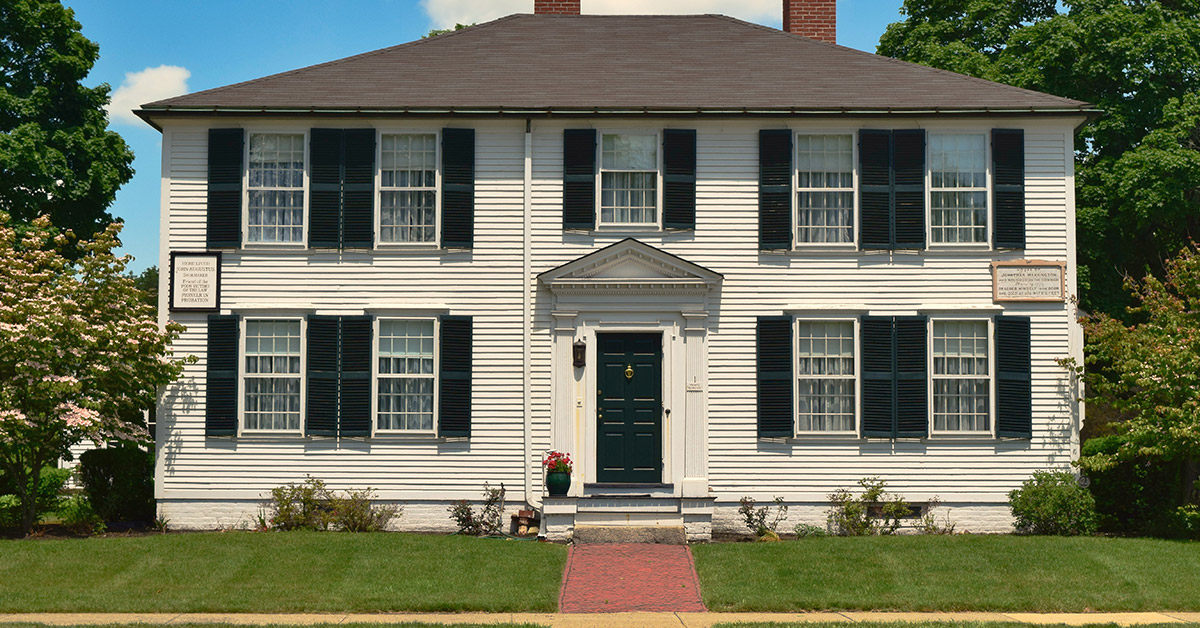
Selling a Historic Home in Brookline, MA: What Owners Should Know Before Listing

Table of Contents
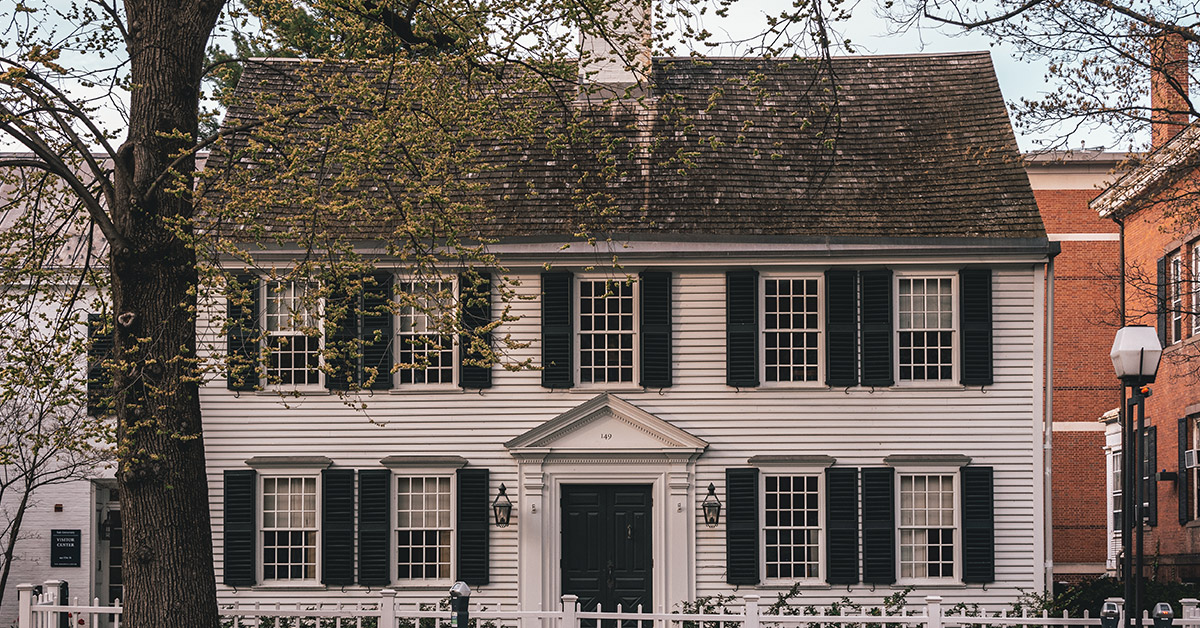
Selling a historic home in Brookline, Massachusetts, can be different from selling a newer property. Many of the town’s older houses feature distinctive architecture, original woodwork, detailed exterior finishes, and features that reflect generations of local history. These characteristics can attract buyers who value older homes, but they may also raise questions about renovations, preservation restrictions, and the cost of maintaining the property.
If you are considering selling a historic home in Brookline, understanding the property’s status before listing can help you avoid expensive surprises. Some older houses are located in local historic districts, while others may be subject to preservation review if significant alterations or demolition are proposed. Whether your home is in Coolidge Corner, Brookline Village, Washington Square, or another part of town, knowing what buyers can and cannot change may influence your selling strategy.
What Makes a Home Historic in Brookline, Massachusetts?
Brookline has a long architectural history, with homes representing different periods of residential development. Victorian houses, Colonial Revival properties, Tudor-style homes, and other traditional designs contribute to the town’s character.
However, an old house is not automatically a legally designated historic property.
A home may be historically significant because of its architecture, association with local history, or location within a recognized historic area. It may also be subject to specific protections based on local historic district designation or other applicable rules.
These distinctions matter when selling.
A house built more than a century ago may have no special restrictions on ordinary interior renovations. Another property may require approval before certain exterior features can be changed.
For sellers, the first step is determining whether the property has a formal historic designation and whether any preservation requirements apply.
That information can affect how buyers evaluate the property and what improvements they may plan after purchasing it.
Do Historic District Rules Affect Selling a House in Brookline?
Historic district rules can affect what a future owner is allowed to change, but they do not generally prevent an owner from selling the property.
Brookline has local historic districts where certain exterior alterations require review and approval.
Depending on the property and proposed work, changes involving windows, siding, architectural details, additions, or other visible exterior features may require a certificate from the town.
These requirements can become important when a buyer plans to renovate.
For example, a buyer purchasing an older house may want to replace original windows, remove a porch, expand the building, or substantially change its exterior appearance.
If the home is within a local historic district, the buyer may need to obtain preservation approval before beginning certain work.
That does not necessarily make the property less desirable.
Some buyers specifically seek historic homes because of their architecture and neighborhood character.
However, buyers planning major changes may view preservation requirements as an additional consideration.
Before listing, sellers should identify any known restrictions and avoid making promises about renovations that have not been approved.
What Is Brookline’s Demolition Delay Bylaw?
One of the most important local issues for owners of older properties is Brookline’s demolition delay process.
The town reviews qualifying full and partial demolition proposals to determine whether a building has historical or architectural significance.
This process can apply even when a property is not located within a local historic district.
If a building is determined to be significant, the town may impose a demolition stay.
For many properties, that stay can last up to 12 months. Certain properties listed on or eligible for state or national historic registers may face an 18-month stay.
The purpose is to allow time to consider alternatives to demolition, including preservation, rehabilitation, or changes to the proposed project.
A demolition delay does not mean the owner is prohibited from selling the property.
It means certain proposed demolition work may not receive permits until the applicable requirements have been satisfied.
For homeowners considering selling to a developer or buyer planning extensive renovations, this distinction can be important.
The official Town of Brookline demolition and preservation guidance explains how the review process works and when a demolition stay may apply.
Can You Sell a Historic House in Brookline Without Renovating It?
Yes. Selling a historic home in Brookline does not automatically require completing renovations before listing.
Many buyers appreciate original architectural features and may prefer to restore the property according to their own plans.
However, the home’s condition will influence its market value and the types of buyers interested in purchasing it.
An older house may have original windows, dated electrical wiring, aging plumbing, an inefficient heating system, or a roof that needs attention.
Some of these features may be part of the home’s historic character. Others may represent significant maintenance expenses.
Before committing to renovations, sellers should determine which improvements are necessary for safety or legal compliance and which are optional upgrades.
Replacing a worn appliance may be straightforward.
Changing historically significant exterior features could involve additional review.
Spending money on renovations without understanding those requirements may create more problems than it solves.
For a broader discussion of repair decisions, read our guide to selling an older home in Brookline, MA and deciding what to fix before listing.
How Do Preservation Restrictions Affect a Home’s Value?
Historic designation does not automatically increase or decrease a property’s value.
Some buyers are attracted to original architectural details, mature neighborhoods, and the character of older homes.
Others prefer properties that can be renovated with fewer restrictions.
The impact depends on the home’s condition, location, permitted uses, and the buyer’s plans.
For example, a well-maintained historic home with attractive original features may appeal to buyers seeking a distinctive residence.
A severely deteriorated house that requires substantial repairs may attract a different group of buyers.
If the property also has restrictions affecting proposed additions or exterior changes, some renovation-minded buyers may reconsider their plans.
This does not mean the property cannot sell.
It means the seller should understand which buyers are most likely to appreciate the home in its existing condition.
A realistic valuation should consider comparable properties, current condition, applicable restrictions, and the costs associated with any necessary work.
What If Your Brookline Home Needs Major Repairs?
Older Brookline homes may require expensive repairs after decades of use.
Common concerns include aging roofs, water intrusion, deteriorating exterior woodwork, outdated electrical systems, plumbing problems, and foundation issues.
Some owners have maintained their properties carefully but have postponed major projects because of cost.
Others may have inherited a home that has not undergone significant improvements in years.
When several problems exist at once, preparing the property for a traditional sale can become expensive.
Imagine a homeowner facing roof repairs, exterior restoration, and a heating system replacement.
Completing all three projects could require substantial money before the house is listed.
If the property is subject to preservation review, certain exterior projects may also require additional planning and approvals.
Sellers should obtain qualified assessments when necessary and compare the expected benefits of repairing the house with the costs of doing so.
For properties with extensive problems, our article on how to sell a distressed property in Boston, Massachusetts explains how repair costs and property condition can influence a sale.
The same financial principles can apply to older homes in Brookline.
Can Unpermitted Renovations Complicate the Sale?
Yes. Older properties sometimes contain renovations completed by previous owners without complete documentation.
A basement may have been finished decades ago. A porch may have been enclosed. An additional bathroom may have been installed, or the layout may have changed.
Some work may have required permits, inspections, or other approvals.
If the property is historically significant or located within a local historic district, certain alterations may also have required preservation review.
An unresolved permit or approval issue can create questions during a sale.
Buyers may want to know whether the work was authorized, whether inspections were completed, and whether any outstanding violations exist.
Sellers should gather available permits, plans, inspection records, and renovation documents.
If a problem is discovered, it is important to determine what the town actually requires before promising a buyer that the issue can be resolved.
Our guide to code violations and permit problems in Massachusetts explains how these issues can affect home sales and why addressing them early may help prevent closing delays.

Should You Renovate a Historic Brookline Home Before Selling?
The answer depends on the property’s condition, the cost of improvements, and your financial goals.
Renovating may make sense when the necessary work is manageable and the expected increase in value justifies the expense.
However, renovating an older house can uncover problems that were not visible when the project began.
Opening walls may reveal outdated wiring, water damage, or structural concerns.
Replacing exterior features may also involve preservation requirements, depending on the property.
Before beginning a major renovation, obtain estimates from qualified professionals and determine whether approvals are necessary.
Then compare the expected sale price after renovations with the total project cost.
Include property taxes, insurance, utilities, contractor expenses, and the time required to complete the work.
A higher selling price does not always produce greater net proceeds.
For homeowners who lack the funds or time to complete a renovation, selling in the property’s existing condition may be worth considering.
Can You Sell a Historic Home in Brookline As-Is?
Yes. An as-is sale may be possible even when the house has historic features, preservation restrictions, or substantial maintenance needs.
Selling as-is generally means the seller does not agree to complete major repairs before closing, subject to the contract and applicable legal requirements.
The buyer evaluates the property’s current condition and makes an offer based on the expected costs and risks.
This approach may appeal to homeowners who do not want to manage contractors, invest in renovations, or prepare an older property for repeated showings.
However, an as-is sale does not eliminate preservation rules, title issues, or applicable disclosure and contractual obligations.
A buyer who plans major exterior changes may still need town approval after purchasing the property.
Likewise, a cash purchase does not guarantee that demolition or renovation permits will be granted.
Sellers should be clear about known restrictions and allow prospective buyers to conduct appropriate due diligence.
What If a Buyer Wants to Demolish the House?
Some buyers may be interested in the land rather than preserving the existing building.
This can be relevant when an older house occupies a desirable lot but needs extensive repairs.
However, demolition plans in Brookline may face preservation review.
The town’s demolition delay rules can affect full demolition and certain substantial alterations.
If the building is determined to be historically or architecturally significant, the proposed work may be delayed.
Properties in local historic districts may face additional restrictions.
A buyer who intends to demolish the house should investigate these requirements before assuming redevelopment will be possible.
For sellers, this means a high offer from a buyer planning demolition may carry additional uncertainty if the purchase depends on obtaining approvals.
A seller should review contingencies, proposed closing deadlines, and the buyer’s ability to complete the transaction.
An offer is only useful if the transaction can close on acceptable terms.
How to Prepare a Historic Brookline Property for Sale
Before listing, begin by understanding the property’s legal status and physical condition.
Confirm whether the house is within a local historic district or has any other known preservation designation.
Gather records of previous renovations, permits, inspections, and significant repairs.
If you have documentation about original architectural features or previous preservation approvals, keep those records available.
Next, assess the home’s condition.
Determine whether there are urgent safety concerns, water damage, structural issues, or other problems that buyers are likely to notice.
You do not necessarily need to repair everything.
The goal is to understand the property well enough to set realistic expectations.
Finally, compare different selling approaches.
A traditional listing may provide broad market exposure and attract buyers who value historic architecture.
An as-is listing may appeal to buyers who want a renovation project.
A direct cash offer may provide another option when the owner wants to avoid extensive repairs or a lengthy preparation process.
Each approach has advantages and tradeoffs.
Is Selling to a Cash Home Buyer a Good Option in Brookline?
A direct cash sale may be worth considering when an older Brookline property needs substantial work or the owner does not want to complete renovations.
Cash buyers who purchase older homes may be comfortable evaluating properties with outdated interiors, aging systems, or deferred maintenance.
Because a direct cash purchase does not depend on the buyer obtaining a conventional mortgage, it may avoid some financing-related delays.
However, cash buyers still need to evaluate the property’s condition, title, and applicable restrictions.
A buyer planning major changes to a historic property must account for the possibility that those changes will require approval or may not be permitted.
For sellers, the key is comparing the actual financial outcome.
A traditional listing might produce a higher price, but it may also involve preparation expenses, negotiated commissions, inspections, and additional carrying costs.
A direct cash offer may be lower but could reduce the need for pre-sale repairs.
The right choice depends on the property’s condition, the owner’s timeline, and the expected net proceeds.
Frequently Asked Questions About Selling Historic Homes in Brookline
Can I sell a historic house in Brookline, MA?
Yes. Historic designation or location within a local historic district does not generally prevent a property owner from selling. However, preservation rules may affect certain alterations that a buyer wants to make.
Do I need permission to sell a historic home in Brookline?
Historic designation alone does not generally require a special preservation permit simply to transfer ownership. Other legal or contractual issues may still apply. Permits or approvals may be necessary for proposed renovations or demolition.
Can a buyer renovate a historic house in Brookline?
Often, yes, but certain exterior changes may require approval if the property is located within a local historic district. The scope of the proposed work and the property’s designation determine which requirements apply.
Does Brookline allow historic houses to be demolished?
Demolition may be subject to preservation review and delay requirements. Some properties may face additional restrictions, especially within local historic districts. Approval is not guaranteed.
Can I sell a historic Brookline house that needs major repairs?
Yes. Older properties with substantial repair needs can still be sold. Sellers may choose to complete repairs, list the property in its current condition, or consider a direct cash offer.
Will historic designation reduce my home’s value?
Not necessarily. Historic features may appeal to certain buyers, while renovation restrictions may concern others. Value depends on location, condition, permitted uses, buyer demand, and comparable sales.
Can a cash buyer purchase a historic home in Brookline?
Yes. Cash buyers can purchase historic properties, provided the transaction meets applicable legal and title requirements. Any future renovations or demolition must still comply with local rules.
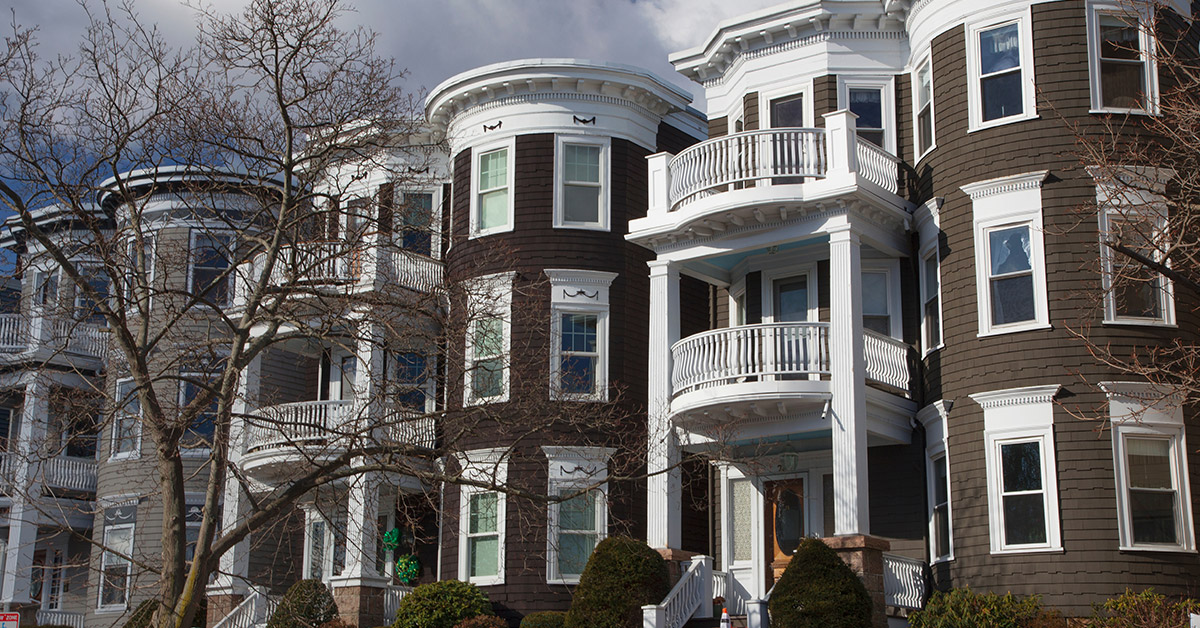 Want to sell condo with special assessment costs in Brookline, MA? Learn who pays, how assessments affect buyers, and your options for selling.
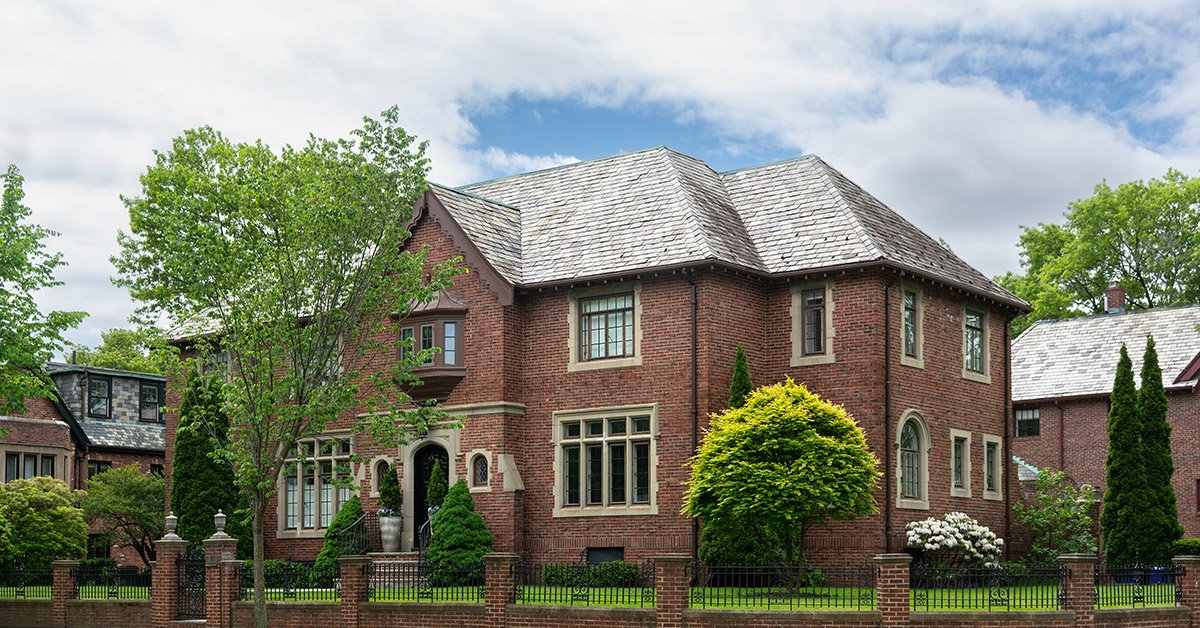 Selling a historic home in Brookline, MA? Learn how preservation rules, renovation limits, and property condition may affect your sale.
 Can you sell a house with a HELOC in Massachusetts? Learn how second mortgage payoffs work, what happens at closing, and your options.