Can You Sell a House With a Wet Basement in Massachusetts?

Table of Contents
A wet basement can make selling an older Massachusetts home feel much more complicated than it needs to be. Maybe water appears after heavy rain. Maybe there is a musty smell in one corner. Perhaps the basement walls show stains, the floor gets damp in spring, or a finished basement has started showing signs of water damage. If you are preparing to sell, the obvious question is: Can you sell a house with a wet basement in Massachusetts?
Yes.
A wet basement does not automatically make a Massachusetts home unsellable. Depending on the cause and severity of the problem, you may repair the water source before listing, make limited improvements, price the property according to its condition, negotiate with a buyer, or sell the house as-is.
The key is understanding why the basement is wet.
A one-time plumbing leak is very different from chronic groundwater entering through the foundation. Before spending thousands of dollars, homeowners should understand the source, the likely repair cost, and how the condition could affect buyers.
Why Are Wet Basements So Common in Massachusetts?
Basement moisture is not unusual in New England.
Older houses throughout Boston and Greater Boston may have fieldstone foundations, aging drainage systems, older gutters, grading problems, cracks, groundwater issues, or basements that were never designed to function as finished living space.
Heavy rain, snowmelt, freeze-thaw cycles, and high groundwater can all contribute.
Some wet basements also have relatively simple causes, such as a leaking pipe or clogged gutter.
The problem is that buyers usually cannot tell the difference just by looking at a stain on the wall.
They want to know whether they are dealing with:
a minor drainage issue;
an old plumbing leak;
foundation seepage;
a failed sump pump;
poor grading;
or a major structural problem.
That uncertainty is what often makes a wet basement harder to sell.
What Causes Water in a Basement?
There are several possible sources.
Water may enter through foundation cracks or porous masonry. It may collect around the foundation because of poor grading or clogged gutters. Groundwater may rise around the basement during periods of heavy rain.
Other causes can include leaking plumbing, failed appliances, damaged window wells, sewer or drain backups, or condensation caused by high humidity.
Do not assume every wet basement needs expensive waterproofing.
Start by identifying the cause.
The U.S. Environmental Protection Agency recommends controlling moisture at the source, including repairing leaks, maintaining gutters, and making sure the ground slopes away from the foundation. The EPA also recommends keeping indoor humidity below 60 percent when possible.
Can a Wet Basement Cause Mold?
Yes.
This is one reason basement moisture should not be ignored.
The EPA says that moisture control is the key to controlling mold and recommends drying water-damaged areas within 24 to 48 hours when possible to help prevent mold growth.
A damp basement can create conditions that allow mold to grow on drywall, carpeting, insulation, wood, cardboard, furniture, and other materials.
If mold develops, the sale can become more complicated because buyers now have two concerns:
Why is the basement wet?
and
How much mold or hidden damage exists?
Fixing the moisture source first is critical. Cleaning visible mold without stopping the water may only delay the problem.
Can You Sell a House With Basement Water Damage?
Yes.
Water damage does not automatically prevent a sale.
The condition may affect the price, buyer confidence, financing, insurance, or negotiations, but homeowners still have options.
If your basement has already suffered significant water damage, our guide to selling a house with water damage in Massachusetts explains how to deal with the source, documentation, repairs, and selling as-is.
The important thing is not to pretend the water never happened.
Buyers are usually much more comfortable with a known problem that has a clear explanation than with a mysterious stain and a seller who suddenly becomes very interested in discussing the upstairs bathroom.
Will a Wet Basement Show Up During a Home Inspection?
Very possibly.
A home inspector may notice moisture, staining, foundation cracks, damaged materials, musty odors, visible mold, drainage problems, sump-pump issues, or other evidence of previous water intrusion.
The inspector may also recommend further evaluation.
This can change the negotiation quickly.
A buyer who thought the basement simply needed cosmetic work may suddenly worry about foundation repairs, waterproofing, mold remediation, or ongoing drainage problems.
If inspection issues are already affecting the transaction, the article What to Do When Your Boston House Failed Inspection explains how sellers can approach repairs, credits, price reductions, and as-is options.
A wet basement is not necessarily a failed sale.
But it can become one if the buyer feels the seller does not understand the problem.
Does a Wet Basement Mean the Foundation Is Failing?
No.
Water in the basement and foundation failure are not the same thing.
A basement can have moisture problems even when the foundation is structurally sound.
For example, water may enter because of poor drainage, a small crack, clogged gutters, or groundwater pressure.
But some foundation problems can contribute to water intrusion.
Large cracks, bowing walls, serious movement, or changes in the structure deserve closer attention.
If you are dealing with both moisture and structural concerns, read Can You Sell a House With Foundation Problems in Massachusetts? before deciding whether to begin repairs.
The goal is to separate a water-management problem from a structural problem.
That distinction can save you a lot of money.
Should You Waterproof the Basement Before Selling?
Sometimes.
But do not automatically assume that a full waterproofing system is necessary.
Basement waterproofing can range from relatively modest exterior drainage work to major excavation, interior drainage systems, sump pumps, wall repairs, or foundation work.
The right solution depends on the source.
Suppose your basement gets wet because a downspout dumps rainwater directly against the foundation.
Correcting that may be relatively simple.
Now suppose groundwater consistently enters through several walls during storms and the basement needs a full drainage system.
That is a very different project.
Before spending money, get appropriate estimates and ask what problem each proposed repair is actually solving.

Should You Install a Sump Pump Before Selling?
A sump pump can be useful in some basements, but it is not automatically the right solution.
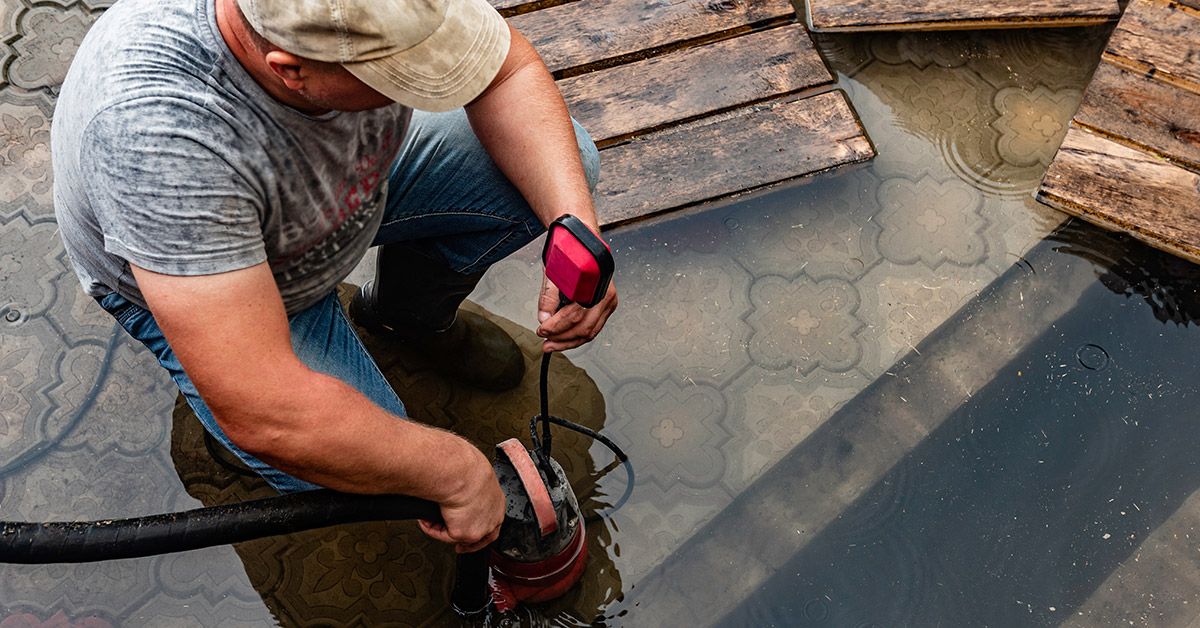
A sump pump helps remove water that collects around or beneath the foundation.
It does not fix every type of leak.
If water enters through a damaged pipe or roof leak, adding a sump pump is not going to solve the actual problem.
Likewise, installing a pump without addressing exterior drainage may treat the symptom rather than the cause.
If you already have a sump pump, make sure it is working correctly.
A buyer may ask about its age, backup system, maintenance, or what happens during a power outage.
What About a Finished Basement?
A finished basement adds another layer.
Water can damage drywall, flooring, insulation, trim, furniture, electrical components, and other finished materials.
The visible damage may also be only part of the problem.
Water can travel behind walls or under flooring.
That is one reason a buyer may become especially cautious when there has been moisture in a finished basement.
If damaged materials have been removed or repaired, keep documentation.
Photographs, contractor invoices, plumbing records, waterproofing receipts, and other records can help show what happened and how it was addressed.
Will a Wet Basement Lower the Sale Price?
It can.
The impact depends on how serious the problem is and how much uncertainty remains.
A basement that gets slightly damp during unusually heavy rain may affect value very differently from a basement that floods several times a year.
Buyers will usually consider:
the repair cost;
the likelihood that the problem will return;
whether mold is present;
whether finished areas need replacement;
whether the foundation is affected;
and whether the problem could complicate financing or insurance.
The unknown is often what costs sellers the most.
If a buyer sees water stains but no explanation, they may assume a worst-case repair.
Documentation can reduce that uncertainty.
Can a Wet Basement Affect Financing?
Potentially.
The impact depends on the condition, lender, appraisal, loan program, and extent of the damage.
A financed buyer may have more difficulty purchasing a property with serious active water intrusion, mold, structural concerns, or major unfinished repairs.
That does not mean financing is impossible.
It means a wet basement can create another hurdle in a transaction that already depends on lender approval.
This is one reason sellers should understand the condition before relying on a specific buyer and closing timeline.
Can a Wet Basement Affect Homeowners Insurance?
It may, depending on what caused the water.
Different policies treat plumbing leaks, groundwater, flooding, sewer backups, and maintenance issues differently.
Do not assume every water problem is covered.
If you are considering an insurance claim, contact your insurer and understand the coverage before beginning major work.
Keep photographs and records of the damage.
Even if you ultimately decide not to make a claim, documentation can help explain the property’s history to a future buyer.
Do You Have to Fix a Wet Basement Before Selling?
No.
You do not necessarily have to completely waterproof or renovate the basement before selling your house.
You have several options.
You can fix the source and restore the area.
You can fix the source but leave cosmetic work for the next owner.
You can price the property according to its condition.
Or you can sell to a buyer willing to take on the water problem.
What makes sense depends on the cost, timeline, and rest of the house.
If the basement is the only problem in an otherwise updated property, repairing it may help you reach a larger pool of buyers.
If the house also needs a roof, electrical work, foundation repairs, plumbing, and extensive renovation, fixing the basement may only be the beginning.
What if You Cannot Afford Basement Repairs?
You can still sell the property.
Many homeowners discover a major repair at exactly the wrong time.
Perhaps you inherited the house.
Maybe you already planned to move.
Or you simply do not want to invest tens of thousands of dollars into a property you are trying to sell.
You do not necessarily need to borrow money to repair the basement before putting the property on the market.
You may be able to list the property as-is and price for the condition.
Another option is selling directly to a buyer willing to purchase the property with the problem.
Can You Sell a Wet Basement House As-Is?
Yes.
An as-is sale generally means the buyer evaluates the home in its current condition rather than expecting the seller to complete major repairs before closing.
This may be useful when the basement problem is part of a larger repair list.
For example, you may have a wet basement plus:
an old heating system;
damaged flooring;
outdated electrical wiring;
an aging roof;
foundation issues;
or years of deferred maintenance.
At some point, repairing everything before selling may stop making practical or financial sense.
Selling Directly Without Fixing the Basement
If you do not want to undertake waterproofing, mold remediation, foundation work, or other basement repairs, a direct sale may be another option.
We Buy Old Properties purchases older and problem properties throughout Boston and Greater Boston.
You can learn more about the process on the Sell Your House for Cash page.
The site states that sellers can receive an offer based on the property’s current condition and avoid preparing the home for a traditional listing.
A direct offer may be lower than what a fully repaired house could sell for on the open market.
That does not automatically make the direct offer better or worse.
Run the numbers.
Compare the Cost of Repairing With the Cost of Selling As-Is
Suppose a repaired house could sell for $750,000.
That number sounds good.
But perhaps correcting the basement requires:
a $20,000 drainage system;
$10,000 in mold remediation;
new drywall and flooring;
foundation repairs;
and two months of carrying costs.
Now the comparison changes.
Instead of comparing:
$750,000 versus an as-is offer
compare:
expected repaired sale price minus repairs, carrying costs, and selling expenses
with:
expected as-is proceeds
Then consider the time and risk involved.
That is the number that matters.
Do Not Hide a Wet Basement
Trying to hide water damage before a sale is a bad strategy.
Fresh paint does not fix active seepage.
New carpet does not repair a foundation crack.
A dehumidifier running during a showing does not explain why the basement keeps getting wet.
If you know about an important property problem and are unsure about your legal disclosure obligations, speak with your Massachusetts real estate attorney.
The safer approach is to understand the problem and decide how you want to sell around it.
What Documentation Should You Keep?
Keep anything that helps explain the history of the basement.
That can include:
- photos of water intrusion;
- waterproofing invoices;
- plumbing receipts;
- sump-pump records;
- foundation reports;
- contractor estimates;
- mold-remediation documents; and
- insurance paperwork.
The goal is not to overwhelm a buyer.
The goal is to replace mystery with facts.
EPA Guidance on Basement Moisture
For independent guidance on moisture and mold, homeowners can review the EPA’s A Brief Guide to Mold, Moisture and Your Home.
The EPA recommends controlling moisture, repairing water problems, drying wet materials quickly, keeping gutters maintained, and directing ground water away from the foundation. It also recommends keeping indoor relative humidity below 60 percent when possible.
Frequently Asked Questions
Can you sell a house with a wet basement in Massachusetts?
Yes. A wet basement does not automatically prevent a Massachusetts home from being sold. You may repair the problem, price the property according to its condition, negotiate with a buyer, or sell as-is.
Do I have to waterproof my basement before selling?
No. Whether waterproofing makes sense depends on the cause, repair cost, severity of the water problem, and how you plan to sell the property.
Will a home inspector notice basement moisture?
Potentially. An inspector may notice staining, moisture, visible water, musty odors, mold, foundation cracks, damaged materials, or other evidence of water intrusion.
Does a wet basement mean foundation damage?
Not necessarily. Basement moisture can result from drainage, groundwater, condensation, gutters, plumbing, or small cracks. Serious structural problems require separate evaluation.
Can a wet basement cause mold?
Yes. The EPA recommends drying wet areas within 24 to 48 hours when possible because prolonged moisture can allow mold to grow.
Can a wet basement affect the value of my home?
Yes. Buyers may reduce their offers based on the repair cost and uncertainty surrounding the condition.
Can I sell the house as-is with water in the basement?
Yes, if you find a buyer willing to purchase the property in its current condition.
Should I install a sump pump before selling?
Maybe. A sump pump can help in certain groundwater situations but is not a solution for every source of basement water. Identify the cause before choosing a repair.

 Uninhabitable house in Massachusetts? Learn how condemnation orders, repairs, and financing affect selling your property as-is.
 Collapsing garage in Massachusetts? Learn how repairs, demolition, inspections, and financing affect selling your house as-is.
 Failing retaining wall in Massachusetts? Learn how repairs, permits, inspections, and financing affect selling your house as-is.