Can You Sell a House After a Sewer Backup in Massachusetts?

Table of Contents
A sewer backup can turn an ordinary home into a serious problem almost overnight. One day, you are preparing to sell your property. The next, wastewater is coming up through a basement drain, the smell is spreading through the house, and you are wondering how much it will cost to make everything safe again. For homeowners in Boston and throughout Greater Boston, the situation can be especially frustrating when the property is older, the plumbing has not been updated in decades, or the sewer line may need extensive repairs. Yes, you can potentially sell a house after a sewer backup in Massachusetts, even if the property still needs repairs.
However, sewage contamination, damaged building materials, unresolved drainage problems, and buyer financing requirements can complicate the transaction.
The important question is whether you should complete the cleanup and repairs before listing or consider selling the property in its existing condition.
Understanding your options can help you avoid spending money on work that may not produce the return you expect.
Can You Sell a House With Sewer Backup Damage in Massachusetts?
A sewer backup does not automatically prevent a homeowner from selling a property. Houses with water damage, plumbing problems, and other serious defects can still be sold, provided the transaction complies with applicable legal requirements and the buyer understands the property’s condition.
The challenge is that sewage damage is different from an ordinary plumbing leak.
When a clean water pipe bursts, the immediate concern is usually moisture damage. When sewage enters a home, the problem may also involve bacteria, viruses, other pathogens, contaminated materials, and unsafe living conditions.
A buyer may want to know whether the affected areas were professionally cleaned, whether damaged materials were removed, and whether the underlying sewer problem has been corrected.
If those questions remain unanswered, buyers may factor the uncertainty into their offers.
Why Is a Sewer Backup More Serious Than Ordinary Water Damage?
Not all water damage presents the same risks.
Rainwater entering through a window, a leaking supply pipe, and sewage backing up through a basement drain can create very different cleanup requirements.
Sewage may contain human waste, bacteria, viruses, and other potentially harmful contaminants. When wastewater reaches carpeting, drywall, insulation, stored belongings, or other absorbent materials, ordinary drying may not be sufficient.
The extent of contamination depends on how much sewage entered the property, where it traveled, and how long affected materials remained wet.
This is why a sewer backup may require specialized cleanup rather than simply removing standing water and running a dehumidifier.
Massachusetts public-health guidance emphasizes reducing direct contact with contaminated materials, removing sewage and moisture, and properly cleaning or discarding affected items.
For homeowners preparing to sell, the health and safety concerns should be addressed before focusing on cosmetic repairs or staging the property.
What Should You Do Immediately After Sewage Backs Up Into Your House?
The first priority is safety, not the sale.
Avoid entering contaminated areas unnecessarily, and keep children and pets away. If standing water may be in contact with electrical equipment, do not enter the area until a qualified professional determines that it is safe.
Stop using plumbing fixtures that may be contributing to the backup and contact an appropriate plumbing or sewer professional to identify the source.
If the backup may involve a municipal sewer problem, contact the local sewer department or public works authority. If the home uses a septic system, the appropriate septic professional and local board of health may need to be involved.
Photograph the damage when it is safe to do so, and contact your insurance company promptly if you intend to explore coverage.
Professional remediation may be necessary when sewage has contaminated building materials or living areas.
The Massachusetts Department of Environmental Protection provides a useful Flooding and Sewage Back-ups: Home Care Guide explaining contamination risks, cleanup precautions, and the importance of restoring affected areas to a safe, dry condition.
Even if you plan to sell the property as-is, taking reasonable steps to prevent additional damage can protect both the property and the people entering it.
What Causes a Sewer Backup in Older Massachusetts Homes?
A sewer backup can have several causes, and identifying the source is important before deciding whether to repair or sell.
In older Boston-area homes, sewer pipes may have deteriorated over time. Underground lines can crack, shift, become obstructed, or develop problems that interfere with wastewater flow.
Tree roots can enter damaged pipes and contribute to blockages. Grease, debris, and other materials can also restrict drainage.
Some backups occur because of problems beyond the property’s plumbing system. During heavy rain or periods of excessive groundwater, municipal sewer systems may experience capacity problems that contribute to backups.
In other cases, a blockage inside the house may be responsible.
The difference matters because the cost of clearing a localized obstruction may be far lower than excavating and replacing a damaged underground sewer line.
Before making a major financial decision, sellers should understand whether the problem was isolated, recurring, or part of a larger infrastructure issue.
Do You Have to Replace the Sewer Line Before Selling?
Not necessarily.
Whether replacement is needed depends on what caused the backup, the condition of the sewer line, applicable local requirements, and the expectations of the buyer and lender.
A plumber may determine that the problem can be resolved by clearing an obstruction or repairing a specific section of pipe.
In other situations, the line may have deteriorated enough that extensive work is recommended.
A sewer camera inspection can sometimes help identify cracks, root intrusion, collapsed sections, or other problems inside accessible portions of the line.
If the repair estimate is substantial, it is worth considering how much completing the work would realistically improve your net proceeds from the sale.
A traditional buyer may expect the problem to be corrected before closing. Another buyer may be willing to purchase the property with the repair responsibility reflected in the price.
The right decision depends on the property, the cost of the work, and your selling timeline.

Can You Sell a House Without Completing Sewage Cleanup?
A property with unfinished sewage remediation may still attract buyers who purchase homes requiring major repairs. However, an unresolved contamination problem can create serious health, safety, access, financing, and legal concerns.
Selling as-is does not mean ignoring active sewage, allowing contamination to spread, or avoiding applicable health and safety obligations.
A home that has experienced a sewer backup may need immediate mitigation even when the owner does not intend to complete every restoration project.
There is also a difference between leaving cosmetic damage unrepaired and leaving potentially hazardous materials in place.
For example, a homeowner might choose not to replace damaged basement finishes before selling. That is different from leaving active sewage or unsafe conditions without appropriate precautions.
If you are considering selling before restoration is complete, discuss the condition with qualified remediation professionals and your real estate attorney so you understand what must be addressed and how the property can be safely evaluated.
Will a Sewer Backup Affect a Home Inspection?
Very likely, particularly when the damage is visible or the drainage problem remains unresolved.
A home inspector may observe staining, damaged materials, moisture, plumbing defects, unusual odors, or other conditions suggesting a previous or ongoing problem.
A standard home inspection does not necessarily include a comprehensive underground sewer camera inspection or environmental testing.
A buyer may therefore request a separate evaluation by a plumber, sewer contractor, or remediation specialist.
This can lead to additional questions about whether the backup has happened before, what caused it, whether repairs were completed, and whether documentation is available.
A seller who has organized inspection reports, photographs, invoices, and cleanup records may be better prepared to respond to those questions.
Can a Sewer Backup Cause a Buyer to Back Out?
Yes, it can become a major point of concern during a traditional home sale.
A buyer who discovers significant sewage damage may worry about hidden contamination, future backups, expensive excavation, or damage that extends behind finished walls.
Depending on the purchase agreement and applicable contingencies, the buyer may request repairs, negotiate a lower price, or seek to terminate the transaction.
Financing can create additional complications if the lender or loan program requires certain property conditions to be corrected before closing.
That does not mean every sewer backup will cause a sale to collapse.
A well-documented, isolated problem that has been properly resolved may be easier for a buyer to evaluate than recurring sewage damage with an unknown source.
How Much Does a Sewer Backup Reduce a House’s Value?
There is no fixed percentage or dollar amount.
The effect depends on the severity of the damage, the cost of repairs, the likelihood of another backup, and the condition of the property as a whole.
A minor backup that was promptly cleaned and traced to a simple obstruction may have a different effect than repeated sewage flooding caused by a deteriorating sewer line.
Buyers may also consider whether the contamination reached finished living spaces, whether walls or flooring need replacement, and whether the property can be safely occupied.
In Greater Boston, where many homes have older basements and aging plumbing systems, buyers may pay close attention to evidence of recurring drainage problems.
The price impact is not always limited to the contractor’s estimate.
Buyers may also account for inconvenience, uncertainty, additional inspections, possible hidden damage, and the time required to coordinate repairs.
What if Sewage Damaged the Basement?
Basement sewage damage is particularly concerning because wastewater can spread across flooring, reach stored belongings, and penetrate porous building materials.
In an unfinished basement, cleanup may involve contaminated contents, exposed surfaces, and mechanical equipment.
In a finished basement, the damage may extend to drywall, insulation, flooring, cabinetry, and other materials.
A seller should not assume that removing standing water and eliminating the odor means the entire problem has been resolved.
Contaminated materials may require removal, and the underlying source of the backup must be evaluated.
For additional information about how buyers assess moisture damage, see our guide to selling a house with water damage in Massachusetts.
Although sewer backups are a distinct issue, many of the same questions about documentation, repair costs, and hidden damage can arise during a sale.
Does Homeowners Insurance Cover Sewer Backup Damage?
Sometimes, but coverage depends on the policy, endorsements, cause of the damage, exclusions, and other circumstances.
A standard homeowners insurance policy does not necessarily cover sewage or water backing up through drains. Some homeowners purchase separate water-backup coverage or an endorsement.
Even when coverage exists, the policy may have limits, deductibles, and specific conditions.
It is important to distinguish damage caused by water backing up through a drain from other plumbing or flooding events because different policy provisions may apply.
Review your policy and speak with your insurance company rather than assuming the damage is covered.
If you have already filed a claim and are considering selling before it is resolved, read our article about selling a house with an open insurance claim in Massachusetts.
Insurance payments, mortgage lender interests, repair obligations, and closing arrangements may need to be addressed before the sale is finalized.
Do You Have to Disclose a Previous Sewer Backup in Massachusetts?
Massachusetts generally follows a more limited seller-disclosure approach than states that require comprehensive residential property disclosure forms.
However, that does not mean a seller can make false statements, conceal defects through deceptive conduct, or ignore specific legal disclosure requirements.
Certain circumstances may create additional obligations, and the rules can differ depending on the property and transaction.
If a buyer directly asks whether the basement has experienced sewage backups, sellers should not provide misleading information.
A real estate attorney can help determine how to address known damage, prior repairs, inspection findings, and any required disclosures.
From a practical standpoint, accurate documentation is often more useful than trying to minimize a problem that may become apparent during an inspection.
What if the Sewer Backup Keeps Happening?
Recurring backups can be more difficult to explain to buyers than a single event with a known and corrected cause.
Repeated sewage intrusion may suggest an ongoing obstruction, deteriorated sewer line, improper drainage connection, municipal system issue, or another unresolved condition.
The first step is determining why the problem continues.
A professional evaluation may help establish whether the issue is within the property’s plumbing system or involves infrastructure outside the home.
If the problem remains unresolved, a buyer may reasonably anticipate future repair costs and disruption.
For homeowners already facing multiple repairs, another major sewer project may make selling in the property’s current condition more appealing.
Can You Sell a House As-Is After a Sewer Backup?
Potentially, yes.
An as-is sale generally means the seller is offering the property in its existing condition rather than agreeing to complete the buyer’s requested repairs.
This can be attractive when the sewer line needs replacement, the basement requires extensive restoration, or the homeowner does not want to coordinate multiple contractors.
However, an as-is sale does not eliminate applicable legal obligations, health and safety requirements, or the need for accurate representations.
The buyer must also be willing and able to accept the property’s condition.
Traditional buyers using mortgage financing may face restrictions depending on the loan program and the extent of the damage.
A direct cash buyer may be able to evaluate a property requiring significant work without depending on a buyer’s mortgage approval.
That can provide another option when conventional listing preparation is impractical.
Should You Repair the Damage or Sell the House As-Is?
The answer depends on the economics of the entire sale.
Imagine a homeowner in Quincy whose basement experienced a sewer backup. The immediate cleanup has been completed, but a contractor recommends replacing part of the underground sewer line and restoring damaged basement finishes.
The owner now faces several decisions.
Should they complete all the work and list the house traditionally? Should they repair the sewer line but leave the basement unfinished? Or should they sell the property to a buyer willing to take responsibility for the remaining work?
There is no universal answer.
If the house is otherwise in excellent condition, the repairs are manageable, and the owner has time, completing the work may make the property more attractive to traditional buyers.
If the house also needs major electrical updates, a new roof, foundation repairs, or extensive renovations, spending heavily on sewer restoration may not solve the larger problem.
The most useful comparison is between estimated net proceeds after repairs and selling costs, versus the proceeds from an as-is offer.
Time, carrying expenses, uncertainty, and the homeowner’s willingness to manage construction should all be part of that decision.
Why Sewer Backup Problems Can Be Especially Difficult in Greater Boston
Greater Boston has a substantial inventory of older residential properties.
In communities such as Brookline, Newton, Quincy, Somerville, Cambridge, Medford, and Boston’s established neighborhoods, homes may have plumbing systems that have been modified or repaired repeatedly over the years.
Older properties may also have finished basements that were not originally designed as modern living spaces.
When sewage enters these areas, the resulting damage can involve both the plumbing system and the materials used to finish the space.
The situation becomes particularly stressful when the homeowner is preparing to relocate, settling an estate, managing a vacant property, or facing a deadline to sell.
For some owners, repairing everything before listing is practical.
For others, the costs and delays may outweigh the potential benefits.
How Can We Buy Old Properties Help?
We Buy Old Properties is based in Brookline and purchases houses throughout Greater Boston in a variety of conditions.
If your home has experienced a sewer backup, needs plumbing repairs, or has unfinished restoration work, you may not want to invest more money before selling.
A direct cash offer gives you another option to compare with a traditional listing.
You can review the offer, consider the property’s condition and repair costs, and decide whether selling directly fits your financial goals and timeline.
Learn more about selling your house for cash with We Buy Old Properties.
There is no obligation to accept an offer, and you can compare it with the costs and potential proceeds of repairing and listing the property.
Frequently Asked Questions About Selling a House After a Sewer Backup
Can I sell my house if sewage backed up into the basement?
Yes, potentially. A previous sewer backup does not automatically prevent a sale. However, contamination, necessary repairs, health and safety requirements, buyer expectations, and financing may affect how the transaction proceeds.
Do I have to replace the sewer line before selling?
Not necessarily. The answer depends on the cause and severity of the problem, applicable requirements, and the buyer’s expectations. A professional evaluation can help determine whether cleaning, localized repair, or replacement is necessary.
Can I sell a house with unfinished sewage cleanup?
A sale may be possible, particularly to a buyer prepared to handle major restoration. However, active contamination and unsafe conditions require appropriate precautions and may trigger legal or public-health obligations. Selling as-is does not eliminate those responsibilities.
Will a sewer backup fail a home inspection?
A home inspector may identify visible damage, moisture, odors, or plumbing concerns. However, standard inspections have limitations, and a separate sewer-line inspection may be recommended. There is no universal inspection result that applies to every backup.
Does homeowners insurance pay for sewer backup damage?
It depends on the policy. Sewer or drain backup coverage may require a specific endorsement, and limits or exclusions can apply. Homeowners should review their coverage with their insurer.
Can a cash buyer purchase a house with sewer damage?
Potentially. Some cash buyers purchase properties requiring extensive plumbing repairs or restoration. The offer will generally reflect the condition of the property, anticipated work, and other relevant factors.
How much does sewage damage lower a home’s selling price?
There is no standard reduction. The impact depends on cleanup costs, structural and finish damage, sewer repairs, recurrence risk, the overall property condition, and buyer demand.
Is selling as-is better than repairing sewer damage?
It depends on the cost of the work, the property’s likely repaired value, selling expenses, and your timeline. Comparing net proceeds from both approaches can help you make an informed decision.

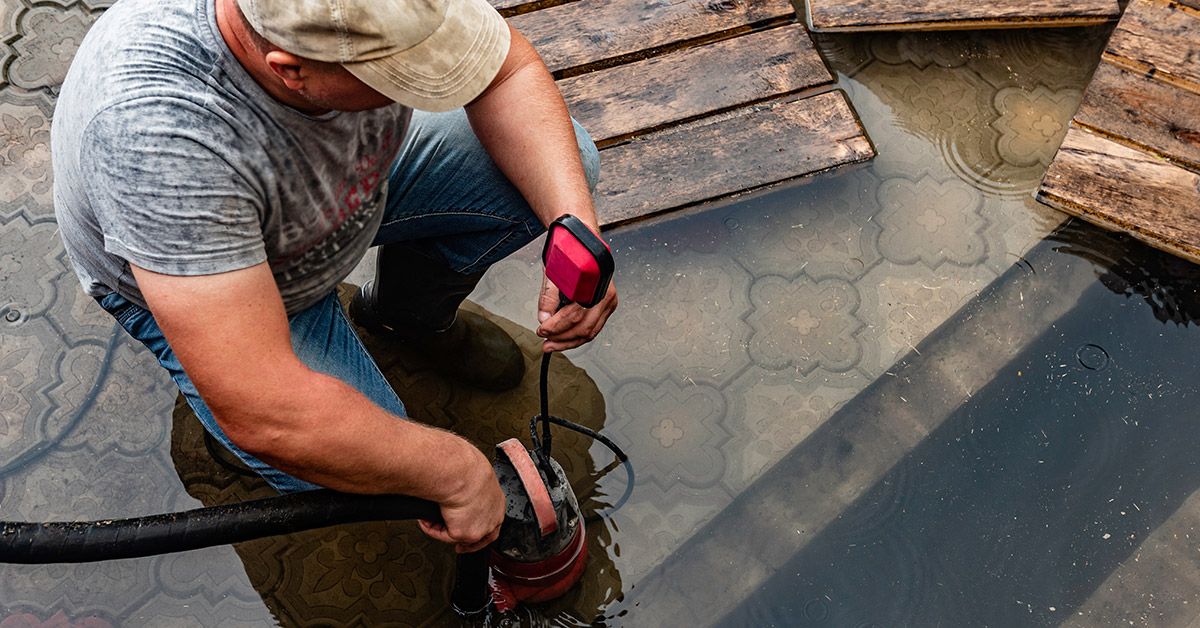 Selling a house after a sewer backup in Massachusetts? Learn about cleanup, repairs, insurance, buyer concerns, and selling as-is.
 Selling a house with a broken heating system in Massachusetts? Learn how failed heat can affect inspections, financing, repairs and an as-is sale.
 Title search problems in Massachusetts can delay a home sale. Learn what happens when liens, old mortgages, deed or ownership issues appear.