Can You Sell a House With an Open Insurance Claim in Massachusetts?

Table of Contents
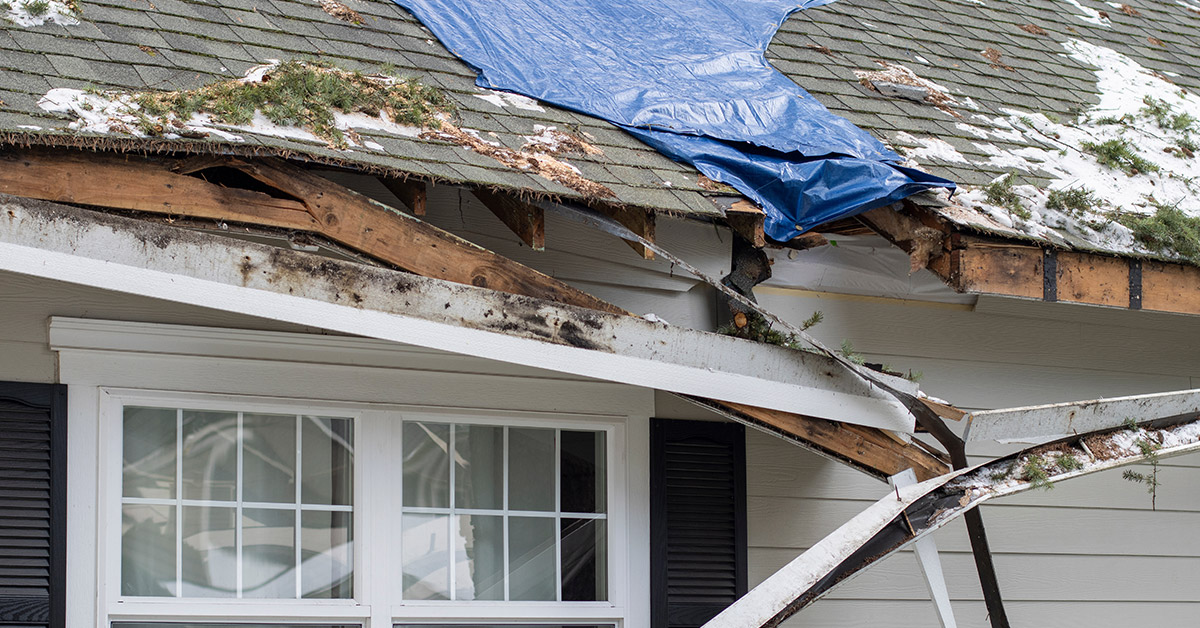
Yes, you can sell a house with an open insurance claim in Massachusetts. But the claim can make the sale more complicated. Maybe a pipe burst in February. Maybe a tree hit the roof during a storm. Maybe there was fire damage, smoke damage, water damage, vandalism, a sewer backup, or damage from ice dams. You filed a claim, the insurance company opened a file, and now the house is sitting in that awkward middle stage. The damage exists. The payout may not be final. Repairs may not be done. Contractors may be delayed. Buyers are asking questions.
This is where many homeowners get stuck.
They wonder if they have to finish the claim before selling. They wonder if the buyer can take over the claim. They wonder if the insurance money belongs to them or has to go toward repairs. They wonder if they should fix the house first or sell it as is.
The honest answer is that it depends on the claim, the policy, the buyer, the lender, and the condition of the property.
But the bigger point is simple: an open insurance claim does not make your Massachusetts house unsellable. It just means the sale needs a clear plan.
Why Open Insurance Claims Create Buyer Concern
Buyers do not like uncertainty.
An open insurance claim tells a buyer that something happened to the property and that the full story may not be finished yet. Maybe the damage is minor. Maybe it is major. Maybe the insurance company already approved payment. Maybe the claim is still under review. Maybe the repairs are half done. Maybe more damage will appear once walls are opened.
That uncertainty affects buyer confidence.
A buyer may ask what caused the damage, when it happened, whether the problem was fully corrected, whether the claim was approved, whether contractors completed the work, whether permits were needed, and whether there are receipts or reports.
If the claim involves water damage, buyers may worry about mold. If it involves fire, they may worry about smoke odor, wiring, structural damage, and future insurance. If it involves storm damage, they may ask about the roof, siding, gutters, and leaks. If it involves vandalism, they may ask whether the property has been vacant.
A buyer may still want the house. But they will want answers.
And in real estate, unanswered questions usually become discounts.
Common Insurance Claims That Affect Massachusetts Home Sales
Massachusetts homes see plenty of claim types that can affect a sale.
Water damage is one of the big ones. Burst pipes, roof leaks, plumbing failures, appliance leaks, basement flooding, and ice dams can all lead to claims. In Boston and Greater Boston, older homes with aging plumbing, old roofs, and unfinished basements can be more vulnerable.
Fire and smoke claims are another concern. Even if the flames were limited, smoke can travel through walls, vents, insulation, and personal belongings. Buyers may ask whether the electrical system was checked and whether any structural members were damaged.
Storm damage also matters. Wind, falling branches, heavy snow, and ice can damage roofs, siding, gutters, fences, garages, and exterior structures. A buyer may not trust a patched roof unless there are records.
Vacant homes can bring another layer of risk. If a house sat empty and suffered theft, frozen pipes, or vandalism, the buyer may worry about delayed discovery and hidden damage.
In older Massachusetts homes, one claim can reveal a larger pattern. A burst pipe may expose old plumbing. A roof leak may reveal rotted framing. Smoke damage may lead to electrical questions. That is why buyers look closely.
Do You Have to Finish the Insurance Claim Before Selling?
Not always.
Some sellers finish the claim and complete repairs before listing. That can make the sale cleaner, especially if the work is well documented. Buyers like seeing repair invoices, permits, photos, inspection reports, and proof that the issue was handled.
But finishing the claim is not always practical.
Insurance claims can take time. The adjuster may need more documentation. The payout may come in stages. Contractors may be booked. Materials may be delayed. The insurance company may dispute part of the claim. If the damage is serious, repairs can take months.
Mass.gov notes that major disaster repairs and rebuilding can take a long time, and that insurers may need detailed information to process claims. That is not exactly a recipe for a quick sale when you need to move now.
If you need to sell before the claim is closed, you may be able to do that. But you should not treat the open claim like a side note. It belongs in the center of the sale plan.

Who Gets the Insurance Money?
This is one of the biggest questions.
If the claim was filed while you owned the house, the insurance payment is usually tied to your policy and your loss. But how the money is paid and used can depend on the policy, mortgage lender, timing, repair status, and claim terms.
If you have a mortgage, the insurance check may include the lender’s name. The lender may require proof that repairs are completed before releasing funds. If repairs are not done before closing, the buyer, seller, lender, closing attorney, and insurance company may need to sort out how the claim proceeds are handled.
Do not guess here.
Before signing a purchase agreement, call your insurance company and, if you have one, your mortgage servicer. Ask how the claim payment works if you sell before repairs are complete. Ask whether the claim can be assigned, whether payment remains with you, whether the lender must endorse checks, and what documents are needed.
Also speak with your closing attorney. Insurance proceeds can affect closing documents, credits, repair escrows, payoff timing, and buyer expectations.
This is paperwork country. Bring a map.
Can the Buyer Take Over the Claim?
Sometimes buyers and sellers discuss transferring or assigning claim rights, but this is not something to assume.
Insurance policies are contracts. The buyer was not the insured person when the loss happened. Some claim rights may not transfer automatically. Some insurers may have rules about assignment. Some lenders may object. Some buyers may not want to inherit the fight with the insurance company.
If the buyer expects to receive insurance money after closing, that needs to be reviewed carefully by the attorneys, insurer, and any lender involved.
A cleaner approach may be for the seller to disclose the open claim, sell the property as is, and price the offer around the condition and uncertainty. In other cases, the seller may complete repairs before closing or provide a properly structured credit if allowed.
The worst approach is a vague handshake promise that “the claim money will get worked out later.”
Later is where real estate problems go to multiply.
How an Open Claim Can Affect Financing
A buyer using a mortgage may have a harder time buying a house with unresolved damage.
The lender wants to know that the property supports the loan. If the home has active damage, incomplete repairs, unsafe conditions, mold concerns, fire damage, roof damage, or structural issues, the lender may require repairs before closing. The appraiser may note condition problems. The underwriter may ask for documentation. The buyer may not be able to close until the issue is resolved.
This is especially important with older homes in Boston and nearby communities. A house with water damage plus old wiring, lead paint, roof issues, or deferred maintenance can feel like too much risk for a standard financed buyer.
A cash buyer may not face the same lender requirements. They can evaluate the damage directly, price the risk, and decide whether the property still works.
That does not mean a cash buyer ignores the claim. They will still care. They may ask for claim documents, photos, repair estimates, adjuster reports, and details about what happened. But they may be able to close without waiting for a mortgage lender to bless every repair.
Open Claims and Seller Disclosure
Massachusetts is often described as a buyer-beware state, but that does not mean sellers can hide known problems.
If you know the house had major damage, an open insurance claim, water intrusion, fire damage, storm damage, mold concerns, or unfinished repairs, you should be direct with buyers and your real estate team. If a seller disclosure form is used, answer it carefully. Many standard disclosure forms ask about insurance claims or property damage. Known lead paint information also has separate disclosure rules for pre-1978 homes.
Hiding an open claim can backfire.
Buyers may discover past claims when they apply for homeowners insurance. Insurance history databases can reveal prior claims tied to a property. If a buyer learns late in the process that there was a major claim nobody mentioned, trust disappears fast.
Once trust is gone, negotiations get ugly. The buyer may ask for more money, delay closing, or walk away if their contract allows it.
Clear disclosure is not just about legal safety. It is also about keeping the sale from blowing up.
Should You Repair the House Before Selling?
Sometimes repairing the damage before selling is the best move.
If the claim is approved, the payout is enough, contractors are available, and the repairs are straightforward, completing the work can make the home easier to finance and easier to sell. A clean repair file can calm buyers.
But repairs are not always simple.
Water damage may require mold remediation. Fire damage may require smoke cleaning, electrical review, framing repairs, insulation replacement, permits, and inspections. Storm damage may reveal roof problems that existed before the claim. A contractor may find hidden damage after work begins.
If the insurance payout is disputed or too low, you may have to pay out of pocket. If the mortgage company controls the funds, you may not get the money until work is complete. If the house is vacant, inherited, tenant-occupied, or already hard to manage, repair work can become a full-time job.
Before repairing, ask whether the work will increase your net result enough to justify the time, cost, and stress.
If not, selling as is may be the cleaner path.
Selling As Is With an Open Insurance Claim
Selling as is means the buyer purchases the property in its current condition. The seller does not agree to complete major repairs before closing unless the contract says otherwise.
This can work well when there is an open insurance claim.
The buyer sees the property, reviews the known information, and makes an offer based on the damage, repair needs, claim uncertainty, and timeline. The seller avoids managing contractors, waiting for final claim payment, or trying to make the home retail-ready before closing.
For We Buy Old Properties, this is the kind of situation that often fits. The company buys older homes and as-is properties in Boston and surrounding Massachusetts communities, including houses with water damage, fire damage, storm damage, vacant-home issues, and unresolved repair problems.
An as-is cash offer may not match the highest possible retail price after full repairs. But it may give the seller speed, certainty, and a way to move on without staying tied to the claim process for months.
Sometimes the best repair plan is not repairing first. It is selling to someone who can take on the project.
Why Cash Buyers Can Be a Better Fit
Cash buyers can be a better fit for homes with open insurance claims because they are often more comfortable with damage, repair risk, and incomplete paperwork.
A traditional buyer may need financing, appraisal approval, inspections, repair negotiations, and proof that the home is safe and insurable. If the claim is open, the buyer may not want to wait. Their lender may not allow them to close. Their insurance company may ask questions.
A cash buyer can often move faster. They can look at the claim, inspect the damage, estimate the repairs, and decide whether the deal makes sense.
This matters when the property is older or has several issues. A Boston-area house with an open water damage claim, an old roof, outdated electrical, and a wet basement may scare a retail buyer. An experienced as-is buyer may see a repair project with a clear price.
The difference is not that one buyer sees value and the other does not. The difference is risk tolerance.
What Sellers Should Gather Before Talking to Buyers
Before you try to sell, gather the claim file.
You should have the claim number, insurer contact information, adjuster notes, damage photos, repair estimates, contractor invoices, payment records, denial or approval letters, proof of any completed repairs, and any correspondence about supplements or disputes.
If the damage involved water, look for mold reports, drying logs, mitigation invoices, or remediation documents. If it involved fire, look for fire department records, electrical inspections, smoke cleanup records, and contractor reports. If it involved storm damage, gather roof reports, tree removal invoices, and exterior repair estimates.
You do not need a perfect file to sell. But the more organized you are, the easier it is for a serious buyer to make a real offer.
A messy claim file makes the buyer price in more uncertainty. Clean records can reduce the fear discount.


 Can you sell a house with an open insurance claim in Massachusetts? Learn how open claims affect buyers, repairs, closing, and as-is sales near Boston.
 Can you sell a house without Realtor commission? Learn your options, potential costs, and how direct home sales work in Massachusetts.
 Avoid house buying company scams. Learn the warning signs to watch for before accepting a cash offer for your Massachusetts home.