Selling a House Without Closing Costs: Is It Possible?

Table of Contents
If you’re planning to sell your home, you’ve probably heard about closing costs. Many homeowners are surprised to learn that selling a house involves more than agreeing on a purchase price. There are often commissions, attorney fees, transfer taxes, title expenses, and other costs that can reduce your proceeds. So, is selling a house without closing costs really possible?
The answer depends on how you sell your home. While every real estate transaction is different, some selling methods can significantly reduce or even eliminate many of the expenses homeowners usually pay at closing.
Understanding your options can help you decide which approach makes the most financial sense for your situation.
What Are Closing Costs?
Closing costs are the expenses associated with completing the sale of a home.
Depending on the transaction, they may include:
- Real estate commissions
- Attorney fees
- Title services
- Recording fees
- Transfer taxes
- Mortgage payoff fees
- Repairs negotiated after inspections
- Seller concessions
Not every seller pays every cost, but these expenses can reduce the amount you receive from the sale.
Can You Sell a House Without Closing Costs?
In some situations, yes.
Whether you’re selling a house without closing costs depends largely on who buys your property and the terms of the agreement.
For example, many traditional home sales involve commissions, inspection negotiations, and repair requests that increase the seller’s expenses.
Some direct cash buyers, however, purchase homes as-is and may pay many of the transaction costs themselves.
Every company operates differently, so it’s important to ask exactly which costs you will be responsible for before accepting an offer.
Traditional Home Sales Often Include More Expenses
When selling through a real estate agent, homeowners frequently encounter additional costs beyond commissions.
These may include:
- Preparing the home for sale
- Professional photography
- Cleaning
- Landscaping
- Repairs
- Staging
- Home inspection repairs
- Holding costs while waiting for a buyer
If your property sits on the market for several months, you may also continue paying your mortgage, taxes, insurance, and utilities until the sale is complete.
How Cash Buyers May Reduce Selling Costs
Many homeowners choose a cash sale because of its simplicity.
Depending on the buyer, benefits may include:
- No real estate commissions
- No repairs
- No staging
- No open houses
- Flexible closing dates
- Faster closings
- Fewer contingencies
While every cash buyer has different policies, some companies structure their transactions to reduce many of the expenses associated with traditional sales.
Our guide Should I Sell My House for Cash or List With an Agent? compares both options in greater detail.
Always Ask What Costs You’ll Pay
Before accepting any offer, ask questions such as:
- Are there any closing costs?
- Are there commissions?
- Will I pay attorney fees?
- Who pays transfer taxes?
- Will I have to make repairs?
- Are there administrative fees?
A reputable buyer should clearly explain every cost before you sign a purchase agreement.
If you’re comparing buyers, our article What Questions Should I Ask a Cash Buyer? provides additional questions every homeowner should ask before selling.
Selling As-Is May Save Even More
One of the largest hidden expenses in a traditional home sale is preparing the property for the market.
Many homeowners spend thousands of dollars replacing flooring, painting walls, updating kitchens, repairing roofs, or addressing inspection issues.
Selling as-is allows homeowners to avoid many of those expenses.
This can be especially helpful when selling:
- Inherited homes
- Older properties
- Rental homes
- Vacant properties
- Homes needing major repairs
- Properties facing foreclosure

Don’t Focus Only on the Purchase Price
A higher purchase price does not always mean you’ll receive more money at closing.
When comparing offers, consider:
- Commissions
- Closing costs
- Repair expenses
- Holding costs
- Time on the market
- Financing contingencies
- Risk of the sale falling through
Sometimes a slightly lower cash offer results in similar or even greater net proceeds because there are fewer expenses.
Understand the Closing Statement
Before closing, review your settlement statement carefully.
It should clearly show:
- Purchase price
- Loan payoff
- Taxes
- Fees
- Credits
- Net proceeds
The Consumer Financial Protection Bureau (CFPB) provides helpful information about understanding closing documents and real estate settlement costs.
Frequently Asked Questions
Can I really sell a house without closing costs?
Some cash buyers may pay many of the costs that sellers typically face, but every transaction is different. Always ask which expenses you will be responsible for before signing an agreement.
Who usually pays closing costs in Massachusetts?
Closing costs are negotiated between the buyer and seller. The specific expenses vary depending on the transaction and the terms of the purchase agreement.
Do cash buyers charge commissions?
Many direct cash buyers do not charge real estate commissions, but policies vary. Always ask about fees before accepting an offer.
Is selling as-is cheaper?
Selling as-is may reduce repair, staging, and preparation costs, especially for older homes or properties needing significant work.
Should I compare multiple offers?
Yes. Comparing several offers allows you to evaluate purchase price, fees, closing costs, flexibility, and overall value.

 Uninhabitable house in Massachusetts? Learn how condemnation orders, repairs, and financing affect selling your property as-is.
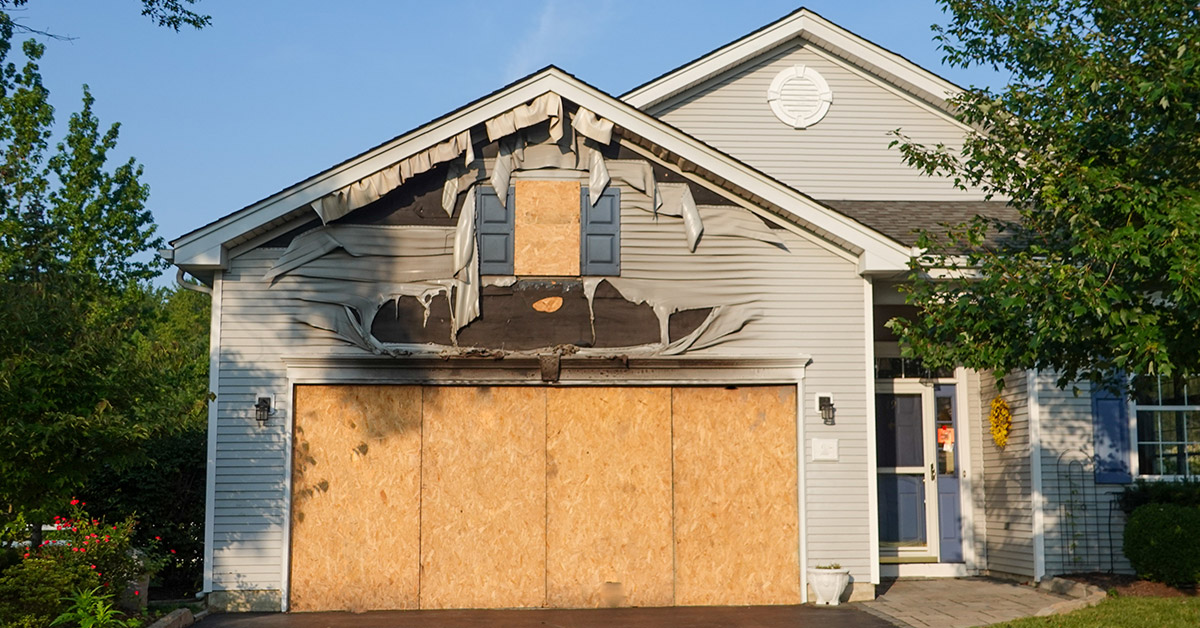 Collapsing garage in Massachusetts? Learn how repairs, demolition, inspections, and financing affect selling your house as-is.
 Failing retaining wall in Massachusetts? Learn how repairs, permits, inspections, and financing affect selling your house as-is.