Can You Sell a House With a Shared Driveway Dispute in Massachusetts?

Table of Contents
- Table of Contents
- Can You Sell a House With a Shared Driveway in Massachusetts?
- What Is a Shared Driveway Easement?
- What if Your Neighbor Disputes Your Right to Use the Driveway?
- Does a Shared Driveway Have to Be Mentioned in the Deed?
- Can a Shared Driveway Dispute Affect the Title Search?
- What if Your Neighbor Blocks the Shared Driveway?
- Who Is Responsible for Maintaining a Shared Driveway?
- Can You Sell a House if the Shared Driveway Needs Major Repairs?
- What Is the Difference Between a Shared Driveway Dispute and a Boundary Line Dispute?
- Will a Shared Driveway Dispute Affect the Buyer’s Mortgage?
- Can a Neighbor Prevent You From Selling Your House?
- Do You Have to Resolve the Driveway Dispute Before Closing?
- How Much Can a Shared Driveway Dispute Reduce Property Value?
- Should You Hire a Surveyor or Real Estate Attorney?
- Can You Sell a House As-Is With a Shared Driveway Dispute?
- Is It Better to Resolve the Dispute or Sell the House Directly?
- Why Shared Driveway Disputes Matter in Greater Boston
- How Can We Buy Old Properties Help?
- Frequently Asked Questions About Shared Driveways in Massachusetts
- Selling a House With a Shared Driveway Dispute in Massachusetts: Know Your Options
A shared driveway in Massachusetts can become a serious concern when a disagreement with a neighbor threatens to complicate the sale of your home. Perhaps your neighbor has started parking in the shared access area, blocking your garage. Maybe you disagree about maintenance costs, or a buyer’s attorney has discovered that the right to use the driveway is not clearly documented. These issues can create uncertainty for homeowners preparing to sell in Boston and throughout Greater Boston.
For homeowners in Boston and throughout Greater Boston, these problems can be particularly frustrating when the property is older and the driveway arrangement has existed for decades.
Yes, you can potentially sell a house with a shared driveway dispute in Massachusetts. However, unresolved questions about access rights, easements, ownership, and maintenance responsibilities can affect buyer confidence, mortgage financing, title review, and the closing process.
If you are dealing with a shared driveway in Massachusetts, understanding your legal rights and selling options can help you decide whether to resolve the disagreement before listing or explore selling the property in its existing condition.
Can You Sell a House With a Shared Driveway in Massachusetts?
Yes. A shared driveway does not automatically prevent a property from being sold.
Many residential properties have arrangements that allow neighboring homeowners to use the same driveway or access route. Some arrangements are established through recorded easements, while others involve jointly owned land or rights documented in older deeds.
The existence of a shared driveway is not necessarily a defect.
Problems arise when the legal arrangement is unclear, when neighbors disagree about how the driveway can be used, or when access is being obstructed.
A buyer may be comfortable purchasing a home with a clearly documented shared driveway. The same buyer may hesitate if a neighbor is actively disputing the right to use it.
The important distinction is between a shared driveway that functions as intended and one involving unresolved legal or practical problems.
What Is a Shared Driveway Easement?
An easement is a legal right allowing someone to use another person’s property for a particular purpose.
In a shared driveway arrangement, an easement may allow the owner of one property to travel across a portion of a neighboring property to reach a garage, parking area, or public road.
For example, one homeowner may own the land beneath the driveway while a neighboring homeowner has a legally established right to use it for access.
That does not necessarily mean both homeowners own the driveway.
The rights and responsibilities depend on the language of the relevant deeds, easement agreements, recorded plans, and applicable law.
Massachusetts recognizes easements and other property rights that may be created or reserved through deeds. The Massachusetts Land Court’s official guidance on easements and rights granted or reserved in a deed explains how these rights are reflected in registered land records.
If you are preparing to sell a home with a shared driveway, reviewing the recorded documents is often one of the most important first steps.
What if Your Neighbor Disputes Your Right to Use the Driveway?
A disagreement about driveway access can quickly become a serious concern for a prospective buyer.
Imagine that you have used the same driveway for 20 years, but a new neighbor claims you have no right to drive across a portion of it.
You may believe the arrangement is established and permanent. Your neighbor may believe the access was merely permitted by a previous owner.
The legal answer cannot be determined simply by looking at how long the driveway has been used.
An attorney may need to review recorded deeds, easement language, property plans, and the history of the properties.
Depending on the facts, questions about prescriptive easements or other legal rights may arise. These issues are highly fact-specific, and long-term use alone does not automatically establish an easement.
Before listing the property, it may be worthwhile to determine whether your access rights are documented and whether the dispute presents a genuine title problem.
Does a Shared Driveway Have to Be Mentioned in the Deed?
A recorded deed or separate easement document can provide important evidence of the right to use a shared driveway.
However, the absence of a clearly worded provision in the most recent deed does not automatically prove that no access right exists.
Property rights may depend on earlier deeds, recorded agreements, subdivision plans, or other legal circumstances.
In some situations, a driveway arrangement may have been established when a larger parcel was divided into separate lots.
In others, the neighboring owners may have relied on an informal understanding that was never properly documented.
That uncertainty can become especially important during a sale.
A buyer’s attorney may want to establish whether the right to use the driveway will continue after ownership changes.
A Massachusetts real estate attorney can review the relevant documents and determine whether additional investigation or legal action is necessary.
Can a Shared Driveway Dispute Affect the Title Search?
Yes.
When reviewing a shared driveway in Massachusetts, a buyer’s attorney may examine recorded easements, property deeds, and other documents to determine whether access rights are legally established.
A title search may reveal recorded easements, restrictions, or other documents affecting the property.
It may also raise questions about whether the home has legally sufficient access or whether another owner has rights over part of the land.
Not every easement creates a title defect. Many are routine property arrangements.
However, an unclear or disputed access right can create concerns for the buyer, lender, or title insurance company.
For example, if the only practical route to a home’s garage crosses neighboring land, a buyer may want confirmation that the right to use that route is legally protected.
If the necessary documentation cannot be located or the legal interpretation is disputed, the closing may require additional work.
Our guide to title search problems in Massachusetts explains how unexpected ownership and property-rights issues can delay a home sale.
What if Your Neighbor Blocks the Shared Driveway?
A neighbor who regularly parks in a shared access area can create an immediate practical problem.
Potential buyers may wonder whether they will be able to enter and exit the property without confrontation.
The first question is what the applicable property documents permit.
An easement may establish the right to pass over a particular area, but the exact scope of that right depends on the language and legal circumstances.
A homeowner should not assume that every inconvenience amounts to a legal violation. Likewise, a neighbor should not necessarily assume that owning the land beneath a driveway gives them unlimited authority to obstruct established access rights.
If the problem continues, documenting incidents and consulting an attorney may be appropriate.
Sellers should avoid taking actions that could escalate the disagreement or create additional legal problems immediately before listing.
Who Is Responsible for Maintaining a Shared Driveway?
Maintenance is another common source of disagreement.
One neighbor may believe the other should pay for repaving because they use the driveway more frequently. Another may insist that all expenses should be divided equally.
There is no universal rule that every Massachusetts shared driveway must be maintained through a 50/50 cost arrangement.
Responsibility may depend on an easement agreement, deed provisions, another enforceable agreement, or applicable legal principles.
The same uncertainty can arise with snow removal, drainage improvements, pothole repairs, and resurfacing.
If the driveway is in poor condition, a buyer may want to understand who will be responsible for future expenses.
A written agreement can sometimes help clarify expectations, but sellers should obtain legal guidance before attempting to create or modify property rights.
Can You Sell a House if the Shared Driveway Needs Major Repairs?
Potentially, yes.
A damaged shared driveway can make a property less attractive, especially if the surface is difficult to use or drainage problems are affecting nearby structures.
However, the condition of the driveway does not automatically mean it must be completely replaced before the house can be sold.
The more difficult question may be whether the seller has the authority to perform the work independently.
If the driveway crosses neighboring land or is subject to an easement, repairs may involve rights and responsibilities shared between property owners.
Before committing to a major project, sellers should understand who owns the land, who has access rights, and whether approval from another party is necessary.
If the repair cost is substantial, it may be worth comparing the likely benefit of completing the work with the possibility of selling the property as-is.

What Is the Difference Between a Shared Driveway Dispute and a Boundary Line Dispute?
These problems can overlap, but they are not identical.
A boundary line dispute generally concerns where one property ends and another begins.
A shared driveway dispute may concern the legal right to use land even when everyone agrees about who owns it.
For example, two neighbors may agree that one person owns the driveway but disagree about whether the other has a permanent right to use it.
Alternatively, a survey may reveal that a driveway extends across a boundary in a way neither homeowner previously understood.
If the disagreement involves the actual location of the property line, our article about selling a house with a boundary line dispute in Massachusetts explains the additional issues sellers may encounter.
Identifying the type of dispute is important because the documents, professionals, and potential solutions may differ.
Will a Shared Driveway Dispute Affect the Buyer’s Mortgage?
It can.
A shared driveway in Massachusetts may raise financing concerns when access rights are unclear or a neighboring property owner disputes the arrangement.
Mortgage lenders generally want confidence that the property being financed has legally sufficient access and does not present unacceptable title or property-rights problems.
An established, properly documented driveway easement may be acceptable.
An unresolved dispute over the only practical access route to a property can create a more serious concern.
The lender may request additional documentation or clarification from the buyer’s attorney or title insurance company.
In some cases, the parties may need to resolve the issue before financing can proceed.
The requirements vary depending on the lender, loan program, property, and nature of the dispute.
Sellers should not assume that every shared driveway causes financing problems, but they should also avoid assuming that a disputed access right will be ignored.
Can a Neighbor Prevent You From Selling Your House?
A neighbor’s objection does not automatically give that neighbor the authority to prevent a lawful sale.
However, a neighbor who asserts a legitimate property claim may create issues that need to be evaluated before closing.
For example, an unresolved legal dispute concerning an easement, ownership, or access could affect the buyer’s willingness to proceed or the ability to obtain satisfactory title insurance.
The neighbor’s statements alone do not necessarily establish that the claim is valid.
A seller’s attorney can evaluate the documents, the nature of the disagreement, and whether any formal legal proceedings are involved.
The goal is to distinguish an ordinary neighbor disagreement from a genuine legal obstacle to transferring the property.
Do You Have to Resolve the Driveway Dispute Before Closing?
Not in every case.
Some buyers may be comfortable purchasing a property with a known shared driveway arrangement, particularly when the legal rights are clear and the dispute concerns relatively minor matters.
Other buyers may insist that the disagreement be resolved before closing.
If the issue involves uncertain access rights, title insurance concerns, or litigation, resolving it may be necessary to complete the particular transaction.
Possible solutions may include clarifying an existing easement, negotiating a written agreement, obtaining a survey, or taking other legally appropriate steps.
However, not every problem can be resolved quickly.
If neighboring owners strongly disagree, the process may take longer than the seller’s preferred timeline.
The purchase and sale agreement will also influence what happens if the issue remains unresolved.
How Much Can a Shared Driveway Dispute Reduce Property Value?
There is no standard percentage.
The effect depends on the seriousness of the disagreement and how much it interferes with the property’s use.
A minor dispute over snow removal may have a limited effect if the driveway rights are clearly established.
A disagreement that threatens the property’s only practical vehicle access may be much more significant.
Buyers may consider legal expenses, uncertainty, future maintenance obligations, potential restrictions on parking, and the possibility of continuing conflict with a neighbor.
In a competitive Greater Boston market, a well-maintained home with clear driveway rights may attract buyers who are comfortable with shared access.
The same home may face more resistance if the driveway is actively blocked or the underlying rights are disputed.
Understanding the actual problem is therefore more useful than assuming every shared driveway reduces a home’s value.
Should You Hire a Surveyor or Real Estate Attorney?
The answer depends on the nature of the disagreement.
A surveyor may help determine where property boundaries and physical improvements are located.
A real estate attorney can interpret deeds, easement agreements, title documents, and the legal significance of the available evidence.
A survey does not necessarily resolve every easement question, and a deed review may not answer every physical boundary question.
Some disputes require both types of professional assistance.
If you are planning to sell, investigating the problem before accepting an offer may help avoid surprises during the closing process.
That does not mean every homeowner needs to commission an expensive survey or begin litigation.
The appropriate first step is to understand the specific issue and obtain advice proportionate to the problem.
Can You Sell a House As-Is With a Shared Driveway Dispute?
Potentially.
A shared driveway in Massachusetts may raise financing concerns when access rights are unclear or a neighboring property owner disputes the arrangement.
An as-is sale generally means the seller offers the property in its existing condition rather than agreeing to complete requested repairs or improvements.
However, a shared driveway dispute is not always a physical-condition issue.
An unresolved legal question about access or ownership may affect whether the seller can convey the interest required by the purchase agreement.
Selling as-is does not eliminate title obligations, legal disclosure requirements, or the need to address valid property claims.
A direct cash buyer may be willing to evaluate a property with complications that discourage some traditional buyers.
But cash payment does not automatically solve an easement dispute or make defective title acceptable.
The buyer and seller still need to understand what rights are being transferred and whether the transaction can legally close.
Is It Better to Resolve the Dispute or Sell the House Directly?
That depends on the cost, timing, and seriousness of the problem.
Suppose a homeowner in Brookline is preparing to sell an older house. The property has a shared driveway, and the neighbor has recently challenged the homeowner’s right to park near the rear entrance.
The homeowner could seek legal advice, review the deed, obtain a survey if needed, and attempt to negotiate a resolution.
That may be worthwhile, particularly if the issue can be clarified relatively quickly and the property is otherwise ready for the traditional market.
But imagine that the same house also needs major renovations, and the owner is facing an expensive or prolonged dispute.
In that situation, the homeowner may want to explore a direct sale rather than invest more time and money into preparing the property for listing.
The important consideration is the net outcome.
A traditional sale may produce a higher gross price, but the seller should account for legal expenses, carrying costs, potential delays, repair costs, and the uncertainty of finding a buyer willing to proceed.
A direct offer provides another option to compare, although any unresolved title or access issues must still be evaluated.
Why Shared Driveway Disputes Matter in Greater Boston
Greater Boston includes many established neighborhoods with closely spaced houses, narrow lots, older garages, and driveways that have been used by neighboring properties for generations.
In communities such as Brookline, Newton, Somerville, Cambridge, Medford, and parts of Boston, a driveway arrangement may have been established long before the current owners purchased their homes.
The arrangement may have worked without difficulty for decades.
Problems can arise when a new owner moves in, a property is renovated, parking needs change, or a sale prompts a closer examination of recorded documents.
For sellers, the most frustrating part is often the timing.
A disagreement that seemed manageable while living in the home can become much more important when a buyer, attorney, or lender begins asking questions.
Preparing early can help homeowners understand whether the problem is an inconvenience, a negotiable issue, or a more serious legal obstacle.
How Can We Buy Old Properties Help?
We Buy Old Properties is based in Brookline and purchases houses throughout Greater Boston in a variety of conditions.
If you are trying to sell an older home with a shared driveway dispute, maintenance problems, or other complications, you may not want to spend months coordinating repairs and preparing the property for the traditional market.
A direct cash offer can give you another option to consider.
The company can evaluate the property and its circumstances, allowing you to compare a potential direct sale with the cost and timing of listing traditionally.
Any unresolved easement, access, or title issues would still need appropriate review as part of the transaction.
Learn more about selling your house directly to We Buy Old Properties and whether a cash offer makes sense for your situation.
Frequently Asked Questions About Shared Driveways in Massachusetts
Can I sell my house if I share a driveway with my neighbor?
Yes. A shared driveway does not automatically prevent a sale. The important questions are whether the access rights are established, whether any disputes exist, and whether the arrangement presents concerns for the buyer or lender.
What if my neighbor refuses to let me use the shared driveway?
The answer depends on the legal rights established by deeds, easements, agreements, or other applicable law. A Massachusetts real estate attorney can help determine whether the neighbor is interfering with an enforceable access right.
Does a shared driveway lower property value?
Not necessarily. A well-documented shared driveway may have little effect on buyer interest. An unresolved dispute, restricted access, or unclear maintenance responsibilities may affect the property’s marketability and value.
Can my neighbor block my driveway if they own the land?
Ownership of the land does not automatically determine whether another person has a right to use it. If a valid easement exists, the property owner’s ability to interfere with that use may be limited by the easement’s terms and applicable law.
Do I need a written shared driveway agreement in Massachusetts?
A written, recorded agreement can provide important clarity, but whether one is legally necessary depends on how the driveway rights were established. An attorney can review existing documents and advise whether additional documentation is appropriate.
Can a shared driveway dispute delay closing?
Yes. Questions about access, easements, title insurance, or unresolved legal claims may require additional investigation before a buyer and lender are prepared to close.
Can I sell a house with an unresolved easement dispute?
Potentially, but the buyer must understand the issue, and the transaction must satisfy applicable legal and contractual requirements. Some disputes can be addressed during the sale, while others may prevent a particular transaction from closing.
Will a cash buyer purchase a house with a shared driveway problem?
Some cash buyers may consider properties with access or title complications. However, a cash purchase does not eliminate legal ownership requirements or guarantee that an unresolved dispute can be accepted.

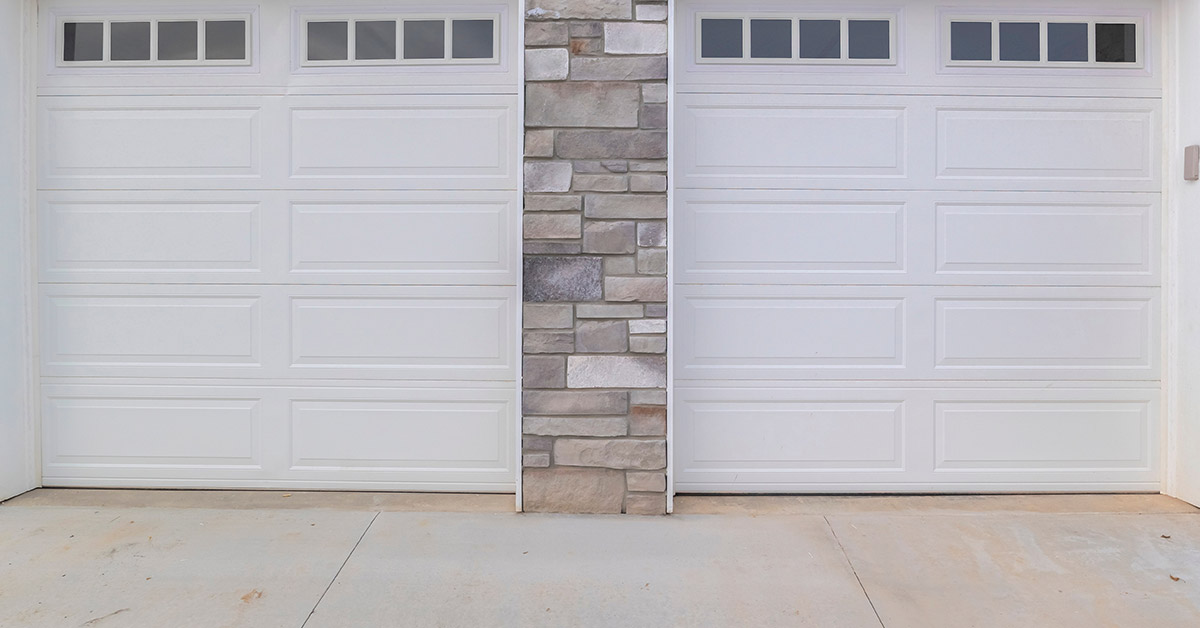 Shared driveway in Massachusetts? Learn how neighbor disputes, easements, access rights, and title problems can affect selling your house.
 Selling a house after a sewer backup in Massachusetts? Learn about cleanup, repairs, insurance, buyer concerns, and selling as-is.
 Selling a house with a broken heating system in Massachusetts? Learn how failed heat can affect inspections, financing, repairs and an as-is sale.