
Selling a Vacant House in Boston: The Real Risks, Rules, and Best Options

Table of Contents
A vacant house looks peaceful from the street. No cars. No lights. No footprints in the snow. Inside, it rarely stays peaceful. Vacant homes attract the kind of problems that do not send polite emails. Pipes freeze. Copper disappears. Water finds the one weak spot in the roof. Rodents move in like they got a key. If the property is also condemned or tagged as unfit, the pressure ramps up fast. The city wants hazards addressed. Neighbors call 311. Insurance gets harder. Buyers get nervous. Time starts working against you.
If you are dealing with a condemned or vacant home in Greater Boston, you can still sell. You just need to know what status you are in and what steps keep you moving.
This is general information, not legal advice.
Condemned vs vacant: know what you actually have
People use the word “condemned” to mean “the house is rough.” In Massachusetts, condemnation has a more specific meaning.
A home can be vacant and still legal to occupy if someone fixed the basics and moved in. A home can also be condemned because the local authority decided it is unfit for human habitation and issued an order to vacate. Massachusetts Sanitary Code rules cover how a residence can be found unfit, how condemnation works, and how an order to vacate or even demolition can come into play.
Here is the practical difference:
A vacant home is a property with no one living there.
A condemned or “unfit” home is a property the authority says people should not live in until specific conditions are corrected.
If you are unsure which one you have, look for paperwork. A posted notice, an order to vacate, or an ISD or board of health letter usually answers the question quickly.
The Boston rules that matter when a property sits empty
Boston does not treat vacancy as a private matter forever. The city has an ordinance that focuses on maintaining vacant and foreclosing residential properties to prevent blight and unsecured buildings.
Boston also runs a registration process for vacant and foreclosing properties through Inspectional Services, and it states that owners, lenders, trustees, and service companies must register and properly maintain these properties under relevant codes and regulations.
That matters for two reasons.
First, if your property looks abandoned, you can get attention from the city faster than you expect.
Second, “I am going to sell it soon” does not pause maintenance expectations. You still need basic security and exterior upkeep while it is vacant.
The first 48 hours that prevent the worst outcomes
If you just inherited a vacant home, took over a property from a tenant move out, or discovered a long ignored building, your first job is not “list it.” Your first job is to stop new damage.
Start with security. Board or secure easy entry points. Change locks. Make the property look cared for, because vacant properties that look ignored invite trouble.
Then stabilize the utilities. A lot of owners shut everything off to “save money” and accidentally create a bigger loss. Massachusetts building code rules recognize that utility decisions can tie into safety systems, and the building official can take emergency measures in emergency situations.
If the home has heat and it is winter, protect the plumbing. If the property has a sprinkler or other protection system, do not assume you can simply disconnect utilities without consequences.
Once the home is secure and stable, you can think clearly about the sale path.
Why “vacant” can be harder to sell than “occupied but dated”
Vacancy changes the buyer’s risk calculation.
Buyers assume a vacant house has unknowns. Even if it is fine, they worry about hidden water damage, pests, or vandalism. They also worry about how long it has been sitting and whether someone will discover a new issue during escrow.
Vacancy also creates practical problems. If no one is there, small problems grow. A slow leak becomes a ceiling collapse. A broken window becomes mold.
From a Boston market perspective, vacancy also triggers a different kind of buyer behavior. Owner occupants often prefer homes they can picture living in tomorrow. Investors and rehab buyers are more comfortable with “unknown plus discount,” but they price the risk in.
Condemned homes: what changes, and what does not
If the property is condemned or ordered vacant for health and safety reasons, two things change.
First, the buyer pool narrows. Many retail buyers cannot finance a home that is legally uninhabitable. Even if a lender might allow it, the inspection and appraisal chain becomes harder.
Second, you need to be careful about access and safety. A house labeled unsafe can have structural problems, exposed wiring, or collapse risk. The goal is not to invite ten curious people inside with flashlights. The goal is controlled access with the right professionals.
What does not change is this: you can still sell the property. The transaction just needs the right buyer and the right expectations.
Many condemned home sales in Boston end up as as is transactions to investors, builders, or cash buyers who plan to repair or redevelop. You may also see demolition decisions, which trigger permits and city rules. Boston’s Inspectional Services emphasizes that it enforces building and related regulations to protect health and safety, and demolition or construction work in Boston ties into permitting and safety requirements.
If you are considering demolition, treat it as its own project with its own timeline, not a quick side step.

The three sale paths that actually work in Greater Boston
Most owners with a vacant or condemned home end up choosing one of three paths.
Fix and list
This works when the house has solid bones and the fixes are clear. If you can bring the property to safe, marketable condition, the open market may deliver the strongest price.
The risk is time. Boston permitting, contractor schedules, and surprise repairs can stretch your timeline. If you need certainty, this path can test your patience and your budget.
List as is
This can work when the house is safe enough to show and the main issue is condition, not legal habitability. You still get market exposure, but you price for the work.
In Boston neighborhoods with strong demand, an as is listing can still attract multiple buyers. The key is honest expectations and a clean file.
This is the simplest path when the property has serious issues, you live out of state, or you want to avoid months of maintenance and showings.
It is also a common path for homes with condemnation issues, because investors and builders can move without a lender. Just remember that cash buyers still need clear title and a safe closing process. “Cash” does not mean “no paperwork.”
The Boston compliance items that still matter at sale time
Even when a home is vacant, Massachusetts still has sale related requirements that can affect timing.
Smoke and carbon monoxide compliance is a common one. Massachusetts states that if you are selling your home, you need a certificate of compliance from the local fire department showing your smoke and carbon monoxide alarms meet the requirements for a sale or transfer.
If the home is older, lead paint notification rules matter too. Massachusetts requires that sellers provide the Property Transfer Lead Paint Notification to the buyer before signing the purchase and sale agreement for a home built before 1978, along with any known reports and disclosures.
These requirements do not automatically block a sale, but ignoring them can slow the transaction when you want speed.
A Boston area story that shows how people get unstuck
Picture a vacant two family in Dorchester. It has a boarded rear door, a roof leak, and a notice from the city about exterior conditions. The owner wants to sell fast but assumes they need to fully renovate.
They do not.
They secure the property, stop the active leak, and clear basic access paths so a buyer can evaluate the building safely. They confirm whether the property must be registered as vacant under Boston’s ordinance, and they handle basic maintenance expectations to reduce complaints.
Then they choose an as is sale to a buyer who understands Boston housing stock. The closing moves because the seller focused on stabilization and paperwork, not perfection.
That is the real pattern. The “unstuck” move is usually not a full makeover. It is control.
The timeline you can plan around
If the home is vacant but not under a serious legal restriction, you can often move quickly once you pick a path. The delays usually come from title issues, municipal balances, and scheduling city inspections.
If the home is condemned or ordered to vacate, expect more diligence and more coordination. Your speed comes from being organized, not from pretending the issue does not exist.
In Boston, you also need to respect the city’s stance on vacant properties and maintenance, since the ordinance expects properties to be maintained in accordance with applicable codes and regulations.
Where this applies in the Boston area
These situations come up constantly across Greater Boston, including Dorchester, Roxbury, Mattapan, Jamaica Plain, Roslindale, Hyde Park, East Boston, South Boston, Charlestown, Allston, Brighton, and the surrounding cities and towns like Cambridge, Somerville, Brookline, Newton, Chelsea, Revere, Everett, Malden, Medford, Watertown, and Quincy.
Older housing stock, harsh winters, and life transitions create vacant properties. The market still buys them when the plan is solid.
 Cash buyers vs listing on the market in Massachusetts? This Boston-focused guide compares timelines, costs, and risk so you can choose the best way to sell, especially for older homes that need work.
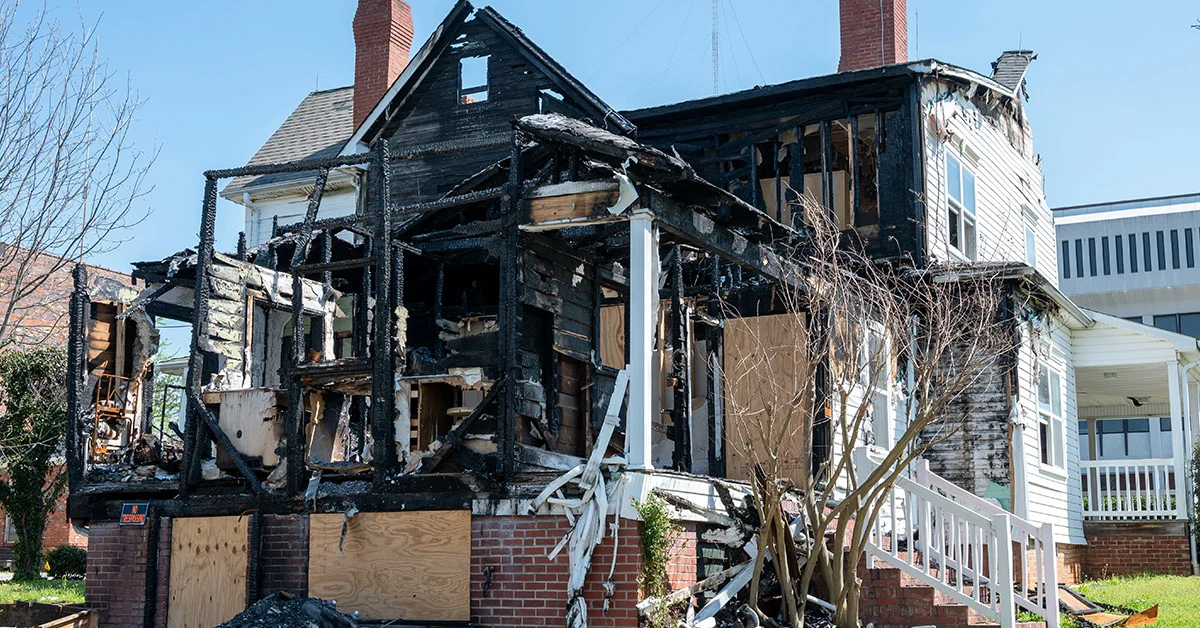 Selling a fire damaged or smoke damaged home in Massachusetts? This Boston-focused guide explains your options, how to handle safety and paperwork, when selling as is makes sense, and what delays you can avoid.
 Selling a home in the Boston area? This local Massachusetts real estate guide breaks down how Boston, Cambridge, the North Shore, South Shore, MetroWest, and the Merrimack Valley differ, so you can price right, avoid delays, and choose the best selling path.