
Fire Damage and Smoke Damage Homes: How Massachusetts Sellers Actually Get Them Sold

Table of Contents
After a fire, most sellers feel the same mix of emotions. Relief that everyone is safe. Shock at what you see in daylight. Then the next thought hits. “How do I get rid of this house?” In the Boston area, that question comes up constantly. A kitchen fire in Dorchester. An electrical fire in a triple decker in Roxbury. A smoker’s unit in East Boston that left odor in every surface. A vacant property in Hyde Park that got vandalized and burned.
Fire damage and smoke damage do not make a house unsellable in Massachusetts. They make the process more specific. The sellers who get good outcomes follow a simple pattern.
They focus on safety first, paperwork second, and strategy third. They do not start with emotions or guesses.
This guide shows you the realistic paths that work in Greater Boston and across Massachusetts.
Fire damage versus smoke damage, and why buyers treat them differently
Fire damage is what buyers can see. Burned framing, melted wiring, charred cabinets, broken windows from the response.
Smoke damage is what buyers fear. Smoke odor that returns when humidity rises. Soot in HVAC ducts. Residue behind baseboards. A smell that shows up again after the first coat of paint.
In real sales, smoke damage often drives negotiations more than fire damage. Buyers believe they can rebuild a room. They worry they cannot remove a smell.
So your job as a seller is to decide which story your home can honestly support.
Is this a house that needs restoration, permits, and contractors?
Or is this a house you sell as is to someone who wants to take on the project?
Step one: do not rush back inside and start tossing things
It is tempting to walk in and “get started.” That can be dangerous.
Damaged buildings can have unstable floors, hidden sharp debris, exposed wires, and hazardous dust. EPA guidance on damaged buildings warns about hazards when re-entering, including carbon monoxide risk, mold, and airborne asbestos or lead dust, and it stresses proper disposal of waste.
If the fire involved older materials, asbestos can also become part of the picture. MassDEP explains it regulates abatement and construction or demolition projects that involve asbestos, and it provides guidance on notifications and disposal.
The safe move is simple. Get the site stabilized, then decide the sale plan with clear information.
The three paths that actually sell fire and smoke damaged homes
In Massachusetts, most fire damaged home sales land in one of these three strategies.
Path 1: Restore, then sell on the open market
This path can bring the highest price, but it takes time, cash, and coordination.
It makes sense when the damage is limited, the structure is sound, and you can manage the project. It also makes sense when your neighborhood price point supports the work, which is often true in parts of Boston and the inner ring suburbs.
In Boston, restoration means you will deal with permits and inspections. Boston Inspectional Services publishes a guide to the city’s permitting and inspection process and points owners to contact ISD or 311 for project questions.
If your restoration involves fire protection systems or temporary shutoffs, know that Massachusetts building code materials emphasize owner responsibility for maintaining fire protection systems.
This path works best when you have a realistic timeline and you are not trying to rebuild a house during a crisis.
Path 2: List it as is and let the market decide
This path can work when the home is safe enough for controlled access and the damage is clear.
“As is” does not mean “say nothing.” It means you do not repair as a condition of sale. You price the home for its condition and you target buyers who are comfortable with work.
In Greater Boston, that buyer pool exists. Contractors, developers, small landlords, and project buyers will still show up if the price matches the scope.
The biggest advantage of this path is you can sometimes get a higher price than a direct cash sale because you expose the property to more buyers.
The biggest risk is time. Market time plus inspection negotiations can stretch out, especially if the property has safety concerns or heavy smoke odor.
Path 3: Sell as is to a cash buyer who buys damaged properties
This is often the least complicated option when the damage is substantial, the home is vacant, or you want a predictable closing date.
Cash buyers remove the lender process and appraisal step, which can matter because many financed buyers cannot buy a home that is not livable.
This path works best when you value certainty over squeezing out every dollar. It is also common in situations like inherited homes, landlord properties, and vacant homes where holding costs add up fast.
The insurance question: file, fix, or sell
After a fire, sellers usually sit in one of two positions.
You have an active insurance claim and you are deciding whether to restore.
Or you do not want to manage the claim and the construction work, so you want to sell.
There is no one right answer. But there is one practical truth.
You should document everything before cleanup. Photos, videos, and an inventory help no matter which path you choose.
If you want help with insurance questions, Massachusetts has a Division of Insurance that regulates the market and provides consumer assistance.
Independent consumer groups also publish Massachusetts-specific claim guidance that can help you understand common claim issues.
If you plan to sell without restoring, be prepared for buyers to ask whether the claim is open and what work has been done.
What buyers and attorneys will look for in a fire damage sale
Fire and smoke damage sales move faster when the file is clean.
The buyer will want to understand four things.
First, the cause and extent of the damage, often supported by a fire report, contractor notes, or restoration documentation.
Second, whether the structure is stable enough for safe access.
Third, whether smoke odor is still present and what remediation has been attempted.
Fourth, what permits and approvals may be required for repairs, especially in Boston where the permitting path matters.
If you have receipts and reports from restoration work, keep them. They help buyers price the scope and reduce distrust.

Smoke odor: why “paint and candles” does not work
Smoke odor is stubborn because smoke particles travel and bond to surfaces.
If you want to list the home as a normal retail sale, you usually need professional odor remediation. If you want to sell as is, you still need to be honest about odor so the buyer can price it.
A seller who tries to cover odor often creates a bigger problem. Buyers assume you are hiding something, and then they start hunting for more issues.
The Massachusetts paperwork that still applies, even after a fire
Fire damage does not exempt you from normal Massachusetts transfer requirements. In fact, it can make some steps more important because timelines are tighter.
Smoke and carbon monoxide compliance
Massachusetts states that if you are selling your home, you need a certificate of compliance from the local fire department showing your smoke and carbon monoxide alarms meet requirements for a sale or transfer.
Boston’s Fire Prevention unit explains most residential owners need to inspect their smoke and carbon monoxide alarm system before selling and recommends applying as soon as you sign a Purchase and Sale Agreement.
After a fire, alarms may be missing, disconnected, or in the wrong locations. If you wait until the last week, you risk a delay.
Lead paint notification for older homes
Many Boston area homes were built before 1978. Massachusetts requires sellers to provide the Property Transfer Lead Paint Notification to a prospective buyer before signing a purchase and sale agreement for homes built before 1978, and to provide any known lead reports and disclosures.
Fire damage can disturb old layers of paint. This is another reason to keep paperwork clean and timelines realistic.
Debris and disposal: do not create a second problem
After a fire, you may find damaged chemicals, fuel, cleaners, and unknown containers. EPA guidance on damaged buildings calls out hazardous household chemicals and proper disposal concerns.
If demolition or major cleanup is involved, asbestos and construction debris rules may apply. MassDEP’s asbestos construction and demolition notifications guide explains MassDEP regulates abatement and projects that involve asbestos.
MassDEP also maintains hazardous waste policies and compliance guidance for handling regulated waste.
This matters because improper disposal can create fines, delays, and liability.
A Boston area timeline that matches real life
If you restore and list, your timeline is usually measured in months. Permits, contractor availability, inspections, and surprise repairs all add time. Boston’s ISD guide exists because the process has steps and dependencies.
If you list as is, your timeline depends on pricing, buyer type, and access. You might get an offer quickly, then spend weeks negotiating repairs and credits.
If you sell as is to a cash buyer, your timeline is often shorter because you remove the lender step. You still need title work and any city tasks like smoke and carbon monoxide compliance.
The key takeaway is that the “fastest” path is usually the one with the fewest required steps, not the one with the most optimistic plan.
The most common mistakes sellers make after a fire
The sellers who struggle tend to do the same things.
They start cleanup before documentation, then lose leverage with insurance and buyers.
They spend money on cosmetic fixes while ignoring the big issues like odor, wiring, and moisture.
They try to list the home like a normal property even though access is unsafe, so showings become chaotic.
They wait too long on required compliance steps like smoke and carbon monoxide inspections, then the closing date slips.
They choose a buyer based on the highest offer number, not the buyer most likely to close on time.
How Massachusetts sellers get these homes sold, without drama
The clean approach is not complicated.
You stabilize the property and keep it secure.
You document damage and gather reports.
You decide whether you are restoring, listing as is, or selling directly.
You handle the Massachusetts transfer steps early, especially smoke and carbon monoxide compliance and lead paint notification if applicable.
Then you match the property to the right buyer type.
If the home is a project, sell it like a project. If you pretend it is not, the market will punish you with delays.
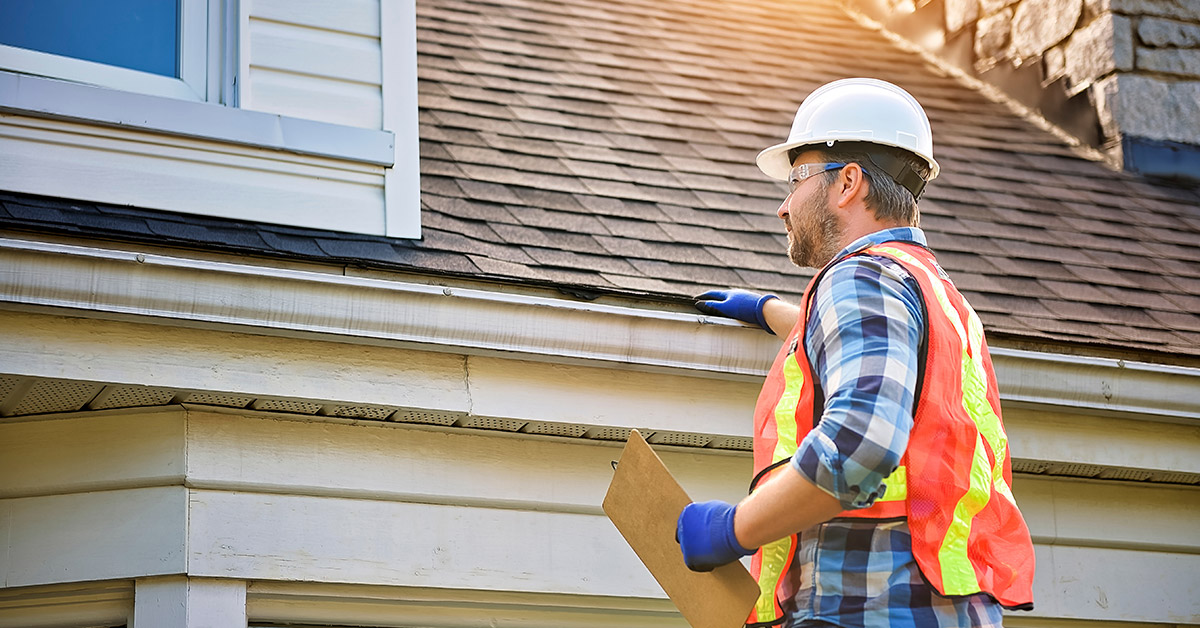 Do you have to fix your house before selling in Massachusetts? Learn which repairs may be worth making and when selling as-is could make more sense.
 Can you sell a house with foundation problems in Massachusetts? Learn how structural issues affect inspections, repairs, buyers, value, and as-is sales.
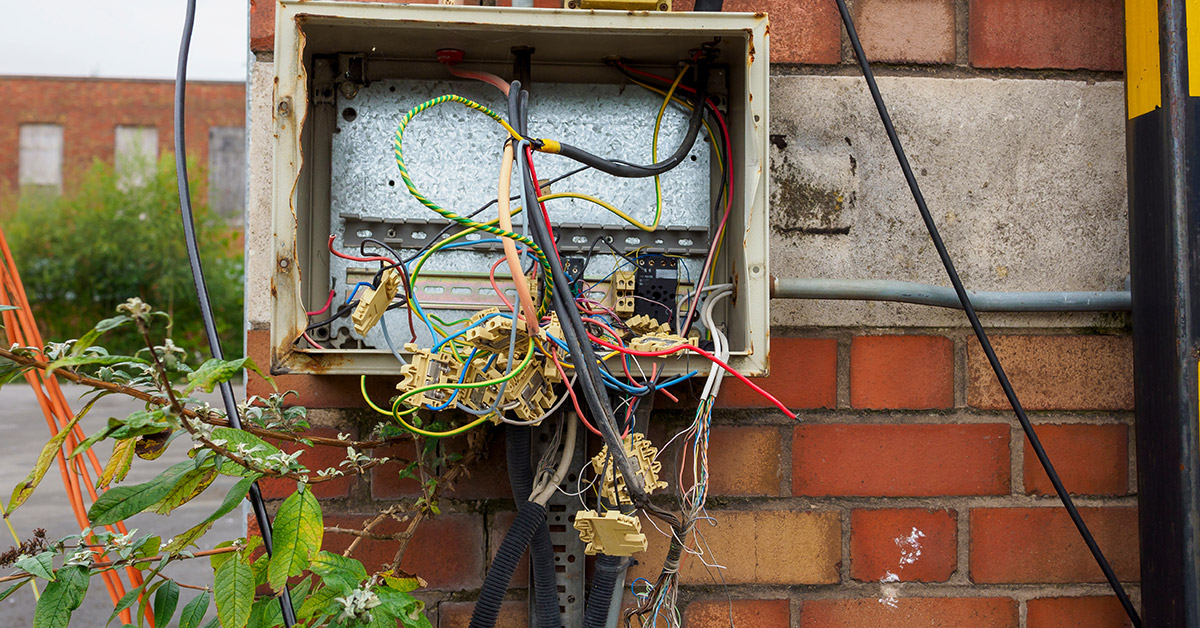 Selling a house with old electrical wiring in Boston? Learn how outdated wiring affects buyers, inspections, financing, price, and as-is sale options.