
How Much Will a Cash Home Buyer Actually Pay for Your House?

Table of Contents
We Buy Houses Massachusetts is one of the most common phrases homeowners search when they need to sell quickly. Whether your home needs repairs, has been inherited, failed inspection, or you simply want to avoid the traditional real estate process, understanding how a cash home buyer calculates an offer can help you make a better decision.
A cash offer can sound simple, but sellers still want to know if the number will be fair.
The short answer is this: a cash home buyer usually pays less than a fully updated home might sell for on the open market, but the offer also removes many of the costs, delays, and risks that come with a traditional sale.
That does not mean every cash offer is good. It means you need to compare the offer the right way.
The real question is not only “What is the highest possible sale price?” The better question is “What will I actually keep after repairs, commissions, concessions, closing delays, and stress?”
For many Massachusetts homeowners, that is where a cash sale starts to make more sense.
Why Cash Offers Are Different From Traditional Sale Prices
A traditional listing is usually priced for the retail market. That means the house is shown to buyers who may need a mortgage, inspection, appraisal, and lender approval. Those buyers often compare your property to homes that are clean, updated, staged, photographed, and ready to move into.
A cash home buyer looks at the property differently.
They are usually buying the house as-is. That means they factor in the current condition, the repairs needed, the resale value, holding costs, closing costs, market risk, and the work required after closing.
So if a similar updated home in your town sold for $700,000, that does not automatically mean an outdated house with a bad roof, old plumbing, water damage, and a full cleanout will get the same number.
Condition matters. Repairs matter. Timeline matters.
That is not a trick. That is the math.
What Factors Affect a Cash Offer?
A cash home buyer will look at several things before making an offer.
The first is location. A house in Boston, Cambridge, Brookline, Newton, Somerville, Quincy, Medford, or another Greater Boston market may have strong value because buyer demand is high. But even in a strong area, the condition of the home can change the offer.
The second is repair cost. A house with an outdated kitchen is one thing. A house with foundation problems, roof leaks, unsafe wiring, mold concerns, water damage, old plumbing, or a failed inspection is another.
The third is the after-repair value. This is what the property may be worth after the necessary work is done.
The fourth is the time and risk involved. A buyer may need to clean out the house, handle permits, manage contractors, repair hidden damage, pay taxes and utilities, and wait months before reselling the property.
The fifth is your timeline. If you need to close quickly, avoid showings, skip repairs, or sell with tenants or belongings still in the house, that convenience has value too.
A good cash buyer should explain these factors clearly. If someone gives you a number but cannot explain how they got there, slow down.
The Basic Formula Behind Many Cash Offers
Cash home buyers do not all use the same formula, but many start with a version of this idea:
What will the house be worth after repairs?
Minus repair costs.
Minus holding costs.
Minus closing costs.
Minus resale costs.
Minus profit and risk.
Equals the cash offer.
That may sound blunt, but it is how many direct buyers protect themselves from overpaying for a property that needs work.
Here is a simple example.
An updated version of your house may be worth $650,000. But your house needs $90,000 in repairs, a cleanout, roof work, and updates before it can compete with retail listings. The buyer also needs to cover taxes, insurance, utilities, closing costs, contractor delays, resale costs, and market risk.
That cash offer will not be $650,000. It will be lower because the buyer is taking on the work and uncertainty.
That is why sellers should not compare a cash offer to the best-looking house on Zillow. They should compare it to their actual situation.
Cash Offer vs. Listing Price: What Sellers Often Miss
A traditional listing may bring a higher sale price, but the sale price is not the same as what you keep.
A homeowner may list a property for more, then pay for repairs, cleaning, staging, agent commissions, seller credits, inspections, months of utilities, taxes, insurance, and mortgage payments.
Then there is the risk.
A buyer can back out after inspection. A lender can delay closing. An appraisal can come in low. A buyer can ask for repairs. A contractor can find new problems. The house can sit longer than expected.
A cash offer may be lower, but it can also reduce uncertainty.
For some sellers, that trade-off is worth it.
This is especially true when the property is old, inherited, vacant, damaged, tenant-occupied, or too much work to prepare for the market.
If you are trying to decide whether a direct sale makes sense, this page explains more about how to sell your house for cash.
How Much Less Do Cash Buyers Pay?
There is no one-size-fits-all answer.
Some cash offers may be close to market value if the property needs little work and the seller wants a fast, clean sale. Other offers may be much lower if the house needs major repairs, has title issues, has tenants, has code violations, or requires a full renovation.
The more work and risk the buyer takes on, the more that affects the offer.
A house with peeling paint and old carpet may only need cosmetic updates. A house with a failing roof, basement water, knob-and-tube wiring, structural issues, or mold concerns is a different story.
This is why two houses on the same street can receive very different cash offers.
The number depends on the house, not just the ZIP code.

When a Cash Offer Can Be Worth It
A cash offer may be worth considering when you want to avoid repairs, showings, open houses, inspection negotiations, or buyer financing delays.
It may also make sense if the house is inherited and family members want to settle the estate. It can help when the property is vacant and becoming expensive to carry. It may also help when a house has failed inspection and a traditional buyer has already walked away.
If your property is in Massachusetts and you want to sell without repairs, you can learn more about selling an old property through We Buy Old Properties here: Sell Your Old Property Fast in Massachusetts.
A cash sale may not be the perfect choice for every homeowner. If the house is clean, updated, vacant, and in a strong market, listing with an agent may bring more money.
But if the property needs serious work, the better question is whether the higher list price is worth the time, cost, and risk.
What Happens if the House Failed Inspection?
A failed inspection can change the sale fast.
A buyer who seemed excited may suddenly ask for repairs, credits, a price reduction, or more time. Some buyers walk away. Others use the inspection report to renegotiate hard.
A cash buyer may still be interested because they expect repair issues and are usually buying as-is.
That does not mean the inspection problems disappear. It means the buyer factors them into the offer.
If your Boston-area house already failed inspection, it may help to understand your options before spending money on repairs. This guide explains what to do when a Boston house failed inspection.
Can You Negotiate With a Cash Home Buyer?
Yes, you can ask questions and compare your options.
A serious cash buyer should be able to explain the offer, discuss the property’s condition, and answer questions about closing. They may not raise the number just because you ask, but they should be transparent about how they reached it.
Before accepting an offer, ask:
What repairs are you factoring into the price?
Are there fees or commissions?
Who pays closing costs?
Can I choose the closing date?
Do I need to clean out the house?
Is the offer still valid after inspection?
Is there any obligation if I say no?
Can I review the agreement before signing?
If a buyer pressures you to sign before you understand the terms, that is a red flag.
A cash sale should feel simpler, not shady. The cash buyer space has enough weird energy already. You do not need more of it in your living room.
How to Compare a Cash Offer the Right Way
To compare a cash offer with a traditional sale, write down both paths.
For a traditional sale, estimate the possible sale price. Then subtract agent commissions, repairs, cleanout, staging, seller credits, holding costs, mortgage payments, taxes, utilities, insurance, and any concessions after inspection.
For a cash sale, look at the offer and subtract any fees or costs you are responsible for. A clean cash offer with no repairs, no commissions, and a flexible closing date may be worth more than it first appears.
You should also factor in time.
If a traditional sale takes three to six months, what will you pay during that time? If the property is vacant, what happens if a pipe bursts, the roof leaks, or the insurance company raises concerns? If the house is inherited, how much longer does the family want to keep managing it?
The highest price is not always the best net result.
Watch for Red Flags
Not every cash buyer is the same.
Be careful if a buyer will not explain the offer. Be careful if they ask you to sign too fast. Be careful if they make promises that sound too good to be true. Be careful if they add fees later or change the offer without a clear reason.
You can also check general consumer guidance from the Federal Trade Commission on avoiding scams and high-pressure tactics before signing any agreement.
A legitimate buyer should give you time to understand the offer. They should explain the process, answer your questions, and put the terms in writing.
Why Local Experience Matters
A cash offer in Massachusetts should reflect the local market.
Older homes in Boston, Cambridge, Brookline, Newton, Somerville, Quincy, Medford, and nearby towns often have different repair issues than newer homes in other parts of the country. Older heating systems, basement moisture, old electrical work, aging roofs, lead paint concerns, oil tanks, and tight neighborhood lots can all affect cost and value.
Local experience helps because a buyer who understands Greater Boston homes can make a more realistic offer.
They are not just looking at a spreadsheet. They are looking at the real cost of owning, repairing, and reselling an old Massachusetts property.
Can This Type of Article Help Bring More Visitors?
Yes. A topic like “How much will a cash home buyer actually pay for your house?” can help bring more visitors because it answers a real seller question.
A homeowner searching this may already be considering a cash offer. They may be comparing selling as-is with listing through an agent. They may own an old house, inherited house, damaged house, or property that needs repairs.
That is valuable search intent.
But no article is guaranteed to rank high just because it is useful. Real estate SEO is competitive. Cash buyer keywords are crowded. Google does not hand out page-one rankings because a blog post says “cash home buyer” a few times. Rude, but true.
This article has a better chance when it is specific, local, and practical. It should answer the pricing question clearly, use Massachusetts and Greater Boston language, include natural internal links, and avoid thin keyword stuffing.
Long-tail searches are where this article can win.
People may search:
How much will a cash home buyer pay for my house?
Do cash home buyers pay fair prices?
Will a cash buyer pay market value?
How do cash home buyers calculate offers?
Should I sell my house for cash or list it?
We buy houses for cash Massachusetts
Buy my house for cash in Boston
Sell house as-is Massachusetts
Cash home buyer near me
These searches may not all bring huge traffic alone, but they can bring better visitors. Fewer window shoppers. More homeowners with a real house and a real decision to make.
FAQs About Cash Home Buyer Offers
How much will a cash home buyer pay for my house?
The offer depends on your home’s location, condition, repair needs, resale value, holding costs, and the buyer’s risk. A cash buyer usually pays less than a fully updated retail sale price, but the seller may avoid repairs, commissions, delays, and inspection negotiations.
Do cash home buyers pay market value?
Sometimes a cash offer may be close to market value if the home needs little work. If the property needs major repairs, the offer will likely be lower because the buyer must account for renovation costs and risk.
Is a cash offer always lower than listing with an agent?
Often, yes. But the listed price is not the same as the amount you keep. Sellers should compare the cash offer with repair costs, commissions, seller credits, taxes, utilities, insurance, and time.
Can I sell my house as-is for cash?
Yes. Many cash buyers purchase houses as-is, including old, outdated, inherited, damaged, vacant, or repair-heavy homes.
Do I need to clean out the house before selling for cash?
Not always. Some cash buyers allow sellers to leave unwanted items behind. Ask the buyer before signing anything so you know what is included.
What if my house needs major repairs?
A cash buyer may still make an offer. Repairs will usually affect the price, but you may be able to avoid paying contractors, managing permits, and waiting months to list.
How fast can a cash sale close?
Some cash sales can close quickly, sometimes within days. The exact timing depends on title, paperwork, seller needs, probate, tenants, liens, and other details.
Should I accept the first cash offer?
Not always. Review the offer, ask questions, compare it with your other options, and make sure the terms are clear. The best offer is not only about price. It is also about certainty, timing, and what costs you avoid.
 Selling a house after frozen pipe water damage in Massachusetts? Learn how burst pipes affect repairs, insurance, buyers, financing, and as-is sales near Boston.
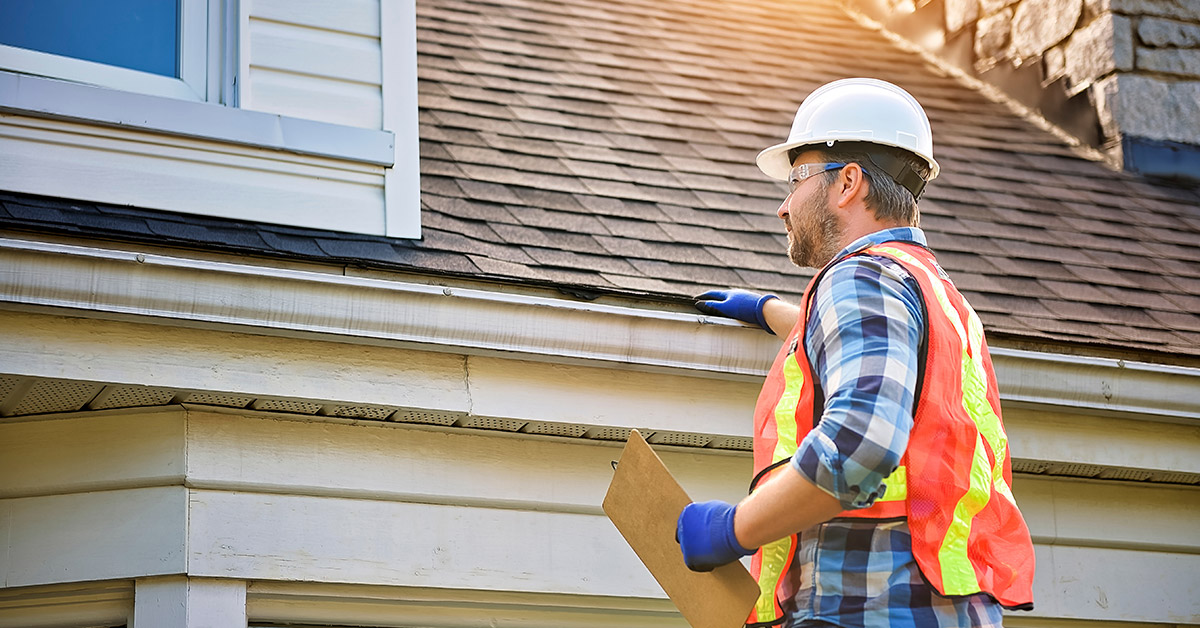 Do you have to fix your house before selling in Massachusetts? Learn which repairs may be worth making and when selling as-is could make more sense.
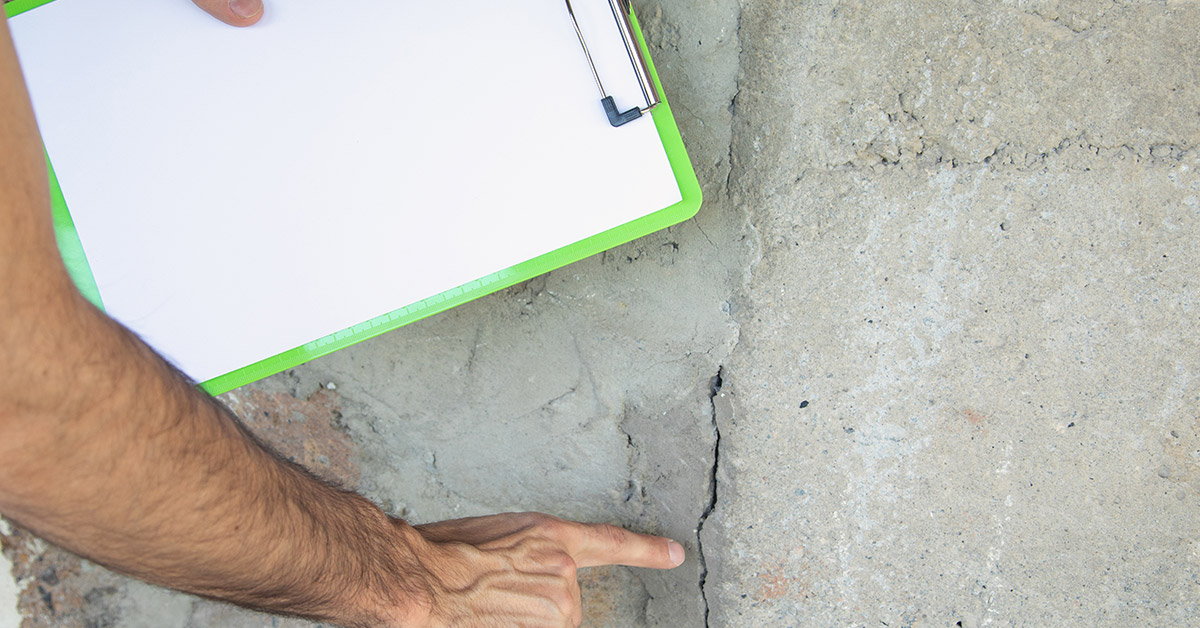 Can you sell a house with foundation problems in Massachusetts? Learn how structural issues affect inspections, repairs, buyers, value, and as-is sales.