
How to Sell a House With Pest Damage in Massachusetts

Table of Contents
Pest damage is one of those problems that makes a house feel harder to sell than it may actually be. A buyer can forgive old paint. They may accept an outdated kitchen. They may even talk themselves into an old roof if the price is right. But when they hear “termites,” “rodents,” “carpenter ants,” or “damage behind the walls,” the mood changes fast.
Pest damage creates fear because buyers do not always know how far the problem goes. They can see a chewed beam, droppings in the basement, damaged insulation, or wood dust near a sill plate. What they cannot see is what makes them nervous. Is the infestation active? Is the structure damaged? Are there hidden nests? Did the pests get into wiring? Will the lender care? Will the repair cost be $2,000 or $40,000?
If you own a house in Massachusetts with pest damage, you still have options. You can repair the damage, treat the infestation, negotiate with a buyer, list the home as-is, or sell directly to a cash buyer who understands older properties.
The right path depends on the type of pest, the condition of the house, your timeline, and how much work you want to take on before closing.
Pest Damage Is Common in Older Massachusetts Homes
Massachusetts has old housing stock, and old houses give pests plenty of chances to get comfortable.
In Boston and nearby communities, many homes have aging foundations, damp basements, old sill plates, wood framing, crawl spaces, fieldstone foundations, attached porches, old garages, and decades of repairs. That does not mean every old house has pest damage. It does mean pests have more ways in.
Rodents may enter through gaps around foundations, utility lines, bulkheads, vents, or old basement windows. Carpenter ants may show up where moisture has softened wood. Termites may damage structural wood over time. Carpenter bees can attack exterior trim, fascia boards, decks, and porch areas. Powderpost beetles and other wood-boring insects may leave small holes and fine dust in older wood.
In neighborhoods like Dorchester, Roslindale, Hyde Park, Mattapan, Jamaica Plain, East Boston, Quincy, Medford, Malden, Somerville, Revere, Brookline, Newton, and Cambridge, buyers expect old-house issues. But pest damage still gets attention because it can point to hidden repair costs.
The house may still have value. The question is how much uncertainty buyers are willing to accept.
The First Question Is Whether the Pest Problem Is Active
There is a big difference between old pest damage and an active infestation.
Old damage may mean a past termite issue was treated years ago. There may be a report, treatment record, or repair history. The wood may show signs of damage, but no active pests are present.
Active infestation is different. That means pests are still present and may still be causing damage. Buyers care much more about active problems because they may need treatment before closing, repair estimates, or proof that the issue has been handled.
A pest control company can inspect the property and identify signs of activity. For wood-destroying insects, an inspection may look for mud tubes, frass, exit holes, damaged wood, insect parts, moisture conditions, and areas that could invite future infestation.
This matters because buyers may not trust a seller’s guess. “I think it was treated years ago” is not as strong as a written inspection report or treatment record.
Real estate buyers like paper. Not emotionally, but financially.
Pest Damage Can Affect Financing
Pest damage can become more serious when the buyer is using a mortgage.
Some lenders may ask questions if the inspection, appraisal, or purchase contract points to active infestation or structural damage. Certain loan programs may require wood-destroying insect inspections in specific cases. If the property condition appears unsafe or damaged, the lender may delay approval until the issue is reviewed.
This is why pest damage can interrupt a traditional sale even when the buyer still wants the house.
A buyer may ask the seller to pay for treatment. They may ask for repairs. They may ask for a credit. They may ask for a contractor or structural engineer to review the damage. Their lender may ask for documentation before closing.
If the house is older and already has other issues, such as roof leaks, basement moisture, old electrical systems, lead paint concerns, or deferred maintenance, pest damage can make the buyer feel like the risk is stacking up.
That is when deals get shaky.
A house with pest damage can sell. But it needs a buyer who can handle the condition and the process.

What Buyers Notice First
Buyers may not spot every pest issue, but they often notice signs that make them nervous.
They may see droppings in a basement or attic. They may smell rodents. They may notice damaged insulation, chewed wood, holes near baseboards, sawdust-like material near trim, hollow-sounding wood, soft spots in floors, or damaged porch framing. They may see traps, bait stations, or old pest control stickers.
Outside, they may notice wood touching soil, rotted trim, damaged decks, overgrown vegetation, stacked firewood against the house, clogged gutters, and moisture near the foundation.
Once buyers see those signs, they start looking harder. Their inspector will too.
That is why a seller should not assume the issue will stay hidden. Pest damage has a way of showing itself at the worst possible time, usually after the buyer has already fallen half in love with the house and now feels betrayed by the basement.
Very dramatic. Very common.
Should You Treat the Pest Problem Before Selling?
Sometimes treating the pest issue before selling makes sense.
If the infestation is active and the treatment is simple, handling it before listing may help buyers feel more confident. A pest control invoice or warranty may also reduce questions during inspection.
But treatment alone may not solve the whole problem.
If termites, rodents, carpenter ants, or other pests damaged structural wood, insulation, wiring, flooring, or walls, buyers may still ask about repairs. If moisture caused the pest issue, the moisture problem may also need attention. If entry points remain open, pests may return.
Before spending money, think about the bigger picture. Is the pest issue isolated, or is it part of a larger old-house problem? Does the house also need major repairs? Will treatment make the property easier to sell, or will buyers still demand a discount because of the damage?
A small pest issue may be worth fixing before sale. A large pest issue tied to structural damage, moisture, clutter, or years of neglect may be better handled through an as-is sale.
The answer is not always “fix it.” Sometimes the answer is “price it honestly and sell it to the right buyer.”
Should You Repair the Damage Before Selling?
Repairing pest damage can help if the repairs are clear, affordable, and likely to improve buyer confidence.
For example, replacing a small section of damaged trim or repairing a minor exterior entry point may be worth doing. Cleaning the basement, removing debris, fixing moisture sources, and sealing obvious gaps can also help.
But major pest damage is different.
If damaged framing, sill plates, floor joists, porch supports, or wall structures are involved, repairs can get expensive fast. You may need contractors, pest control professionals, structural evaluation, permits, and follow-up work. Once repairs begin, more hidden damage may appear.
This is the trap with older homes. You open one area and discover the house has been keeping secrets.
If the property is already outdated, vacant, inherited, tenant-damaged, or in poor condition, repairing pest damage before selling may not produce enough return to justify the cost.
Sellers should compare the real options. What would it cost to treat and repair the damage? How long would that take? Would the repair increase the sale price enough to matter? Could another inspection still find issues? Would you rather take on the project or let the buyer price it in?
That math matters more than pride.
Pest Problems in Rental Properties
Pest damage can be more complicated in rental properties.
In Massachusetts, pest responsibility can depend on the type of property and the cause of the problem. In multi-unit housing, owners generally have responsibility for keeping the premises free from infestation. In single-family homes, responsibility may depend on whether the issue comes from occupant sanitation or from the owner’s failure to maintain the building so pests cannot enter.
For landlords, this can affect a sale. Buyers may ask whether tenants complained, whether the board of health was involved, whether pest control was performed, and whether there are records. They may also want to know whether the infestation is active and whether tenants are still living in the property.
If the property is tenant-occupied and has pest problems, showings can become harder. Tenants may mention the issue to buyers. Units may be difficult to access. Buyers may worry that they are inheriting both a building problem and a tenant problem.
A cash buyer or investor may still be interested, but they will price the risk. A standard buyer may be more cautious.
Selling As Is With Pest Damage
Selling as is means the buyer purchases the property in its current condition. The seller does not agree to make major repairs before closing unless the contract says otherwise.
For pest-damaged homes, this can be a practical option.
An as-is buyer can inspect the property, understand the pest issue, estimate treatment and repair costs, and make an offer based on the real condition. The seller does not need to treat every issue, replace every damaged board, open walls, or wait for a buyer’s lender to feel comfortable.
This can help if the house has active or past pest damage, old systems, water damage, basement moisture, tenant wear, deferred maintenance, clutter, or other repair issues.
For We Buy Old Properties, this fits the type of property many sellers bring forward. The company buys older homes and as-is properties in Boston and surrounding Massachusetts communities. A seller may be able to get a direct cash offer without completing pest treatment, structural repairs, or major cleanup before closing.
That does not mean pest damage has no effect on price. It does. A buyer will account for treatment, repair costs, and risk. But the seller may avoid paying for those repairs out of pocket before knowing whether a traditional buyer will close.
Why Cash Buyers Can Be a Better Fit
Cash buyers are often a better fit for houses with pest damage because they can move with fewer financing-related delays.
A traditional buyer may need inspections, appraisal approval, lender comfort, repair negotiations, and sometimes a clear treatment record. A cash buyer can often evaluate the property directly and decide whether the risk works.
Cash buyers may also be more comfortable with older-home problems. They can look at pest damage as one part of the total repair picture, not as an automatic dealbreaker.
That matters when the house has more than one issue. Pest damage plus a bad roof. Pest damage plus water in the basement. Pest damage plus old wiring. Pest damage plus tenant problems. A standard buyer may see too much work. An experienced as-is buyer may see a project with a price.
For sellers who want a clean exit, that difference can matter.
A cash sale may not bring the highest possible retail price, but it can reduce delays, repair demands, and failed financing risk. The real comparison is not cash offer versus fantasy price. It is cash offer versus the price you can actually close at after repairs, concessions, commissions, holding costs, and stress.
What Sellers Should Do Before Choosing a Path
Start by finding out what you are dealing with.
If you suspect pests, consider getting a pest inspection. Gather any old treatment records, warranties, repair invoices, contractor notes, tenant complaints, or inspection reports. Look for signs of moisture, entry points, damaged wood, droppings, or old nests.
Then decide what kind of sale makes sense.
If the damage is minor and the home is otherwise in good shape, treatment and repair may help the traditional sale. If the damage is serious, hidden, tied to moisture, or part of a larger repair-heavy property, selling as is may be smarter.
Be honest with buyers. If you know about past or active pest issues, do not pretend the house is clean. Surprises create renegotiations. Clear information creates better offers.
You do not need to solve every problem before selling. But you do need to choose a path that matches the house.
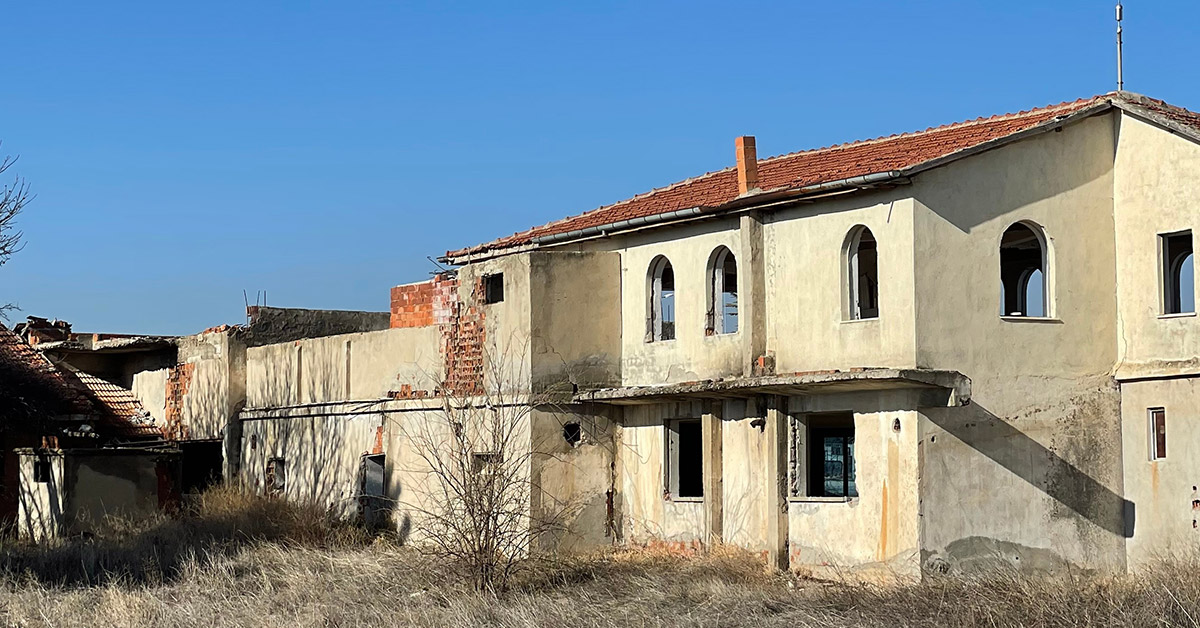 Selling a house with squatters in Massachusetts? Learn what owners should know about unauthorized occupants, legal risks, buyers, timelines, and as-is sale options.
 Selling a house after frozen pipe water damage in Massachusetts? Learn how burst pipes affect repairs, insurance, buyers, financing, and as-is sales near Boston.
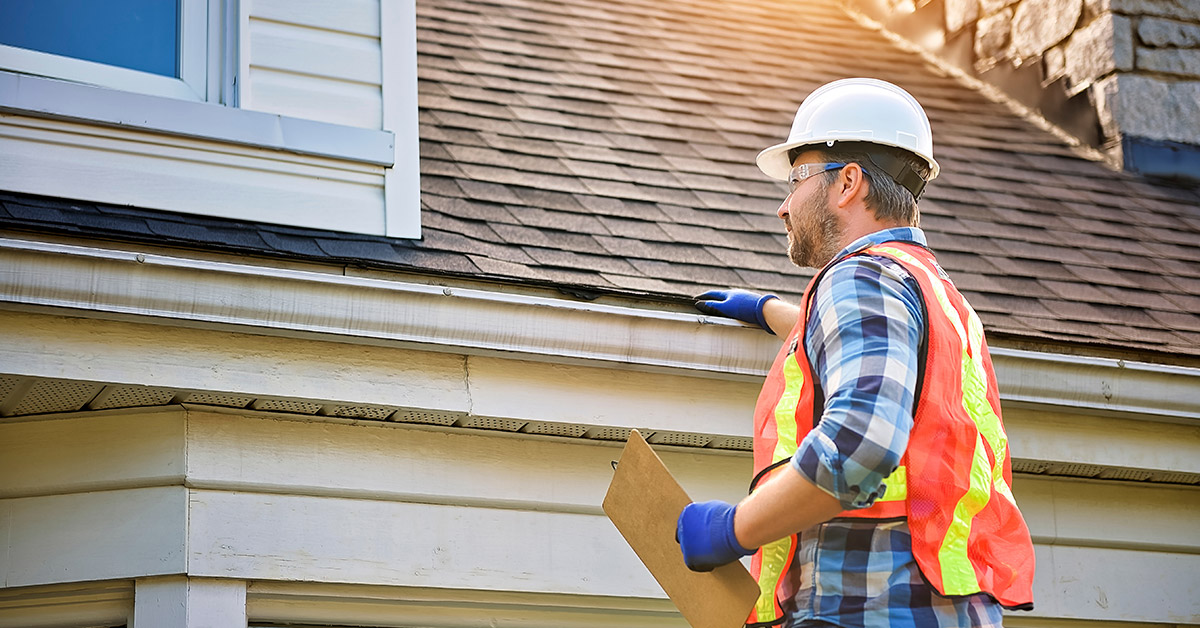 Do you have to fix your house before selling in Massachusetts? Learn which repairs may be worth making and when selling as-is could make more sense.