
Do I Have to Fix Everything Before Selling My House in Massachusetts?

Table of Contents
If your house needs work, preparing to sell can quickly turn into an expensive to-do list. The roof is old. The electrical panel needs updating. There’s a crack in the basement wall. The kitchen hasn’t been renovated in decades. A faucet leaks. The floors are scratched. And somewhere along the way, someone decided that every room needed a different shade of beige. It is easy to look around and wonder: Do I have to fix everything before selling my house in Massachusetts?No. You generally do not have to turn an older Massachusetts house into a fully renovated property before you can sell it.
Depending on the house and how you choose to sell, you may repair major problems, make a few strategic improvements, price the property according to its condition, negotiate with a buyer, or sell it as-is.
The better question is not whether you can fix everything.
It is whether spending the money will actually help you come out ahead.
For owners of older homes throughout Boston and Greater Boston, that distinction can save considerable time, money, and frustration.
You Don’t Have to Make an Old House Look New
Massachusetts has a lot of old housing.
That is particularly true throughout Boston, Cambridge, Brookline, Newton, Quincy, Somerville, and many surrounding communities.
An older house may have dated kitchens and bathrooms, aging plumbing, old windows, worn floors, plaster walls, older electrical systems, fieldstone foundations, and other features that would not appear in new construction.
Buyers generally understand that a 100-year-old house is not going to look like it was built last Thursday.
That doesn’t mean condition doesn’t matter.
It means sellers should separate cosmetic imperfections from problems that could affect safety, financing, insurability, value, or a buyer’s willingness to proceed.
A scratched hardwood floor and a failing foundation are not the same problem.
Treating them as though they are can lead to spending money in the wrong places.
What Repairs Should You Consider Before Selling?
Start with the problems most likely to affect the transaction.
These may include significant roof leaks, unsafe electrical conditions, major plumbing problems, active water intrusion, structural issues, broken heating systems, or other conditions that substantially affect the property’s use or safety.
But even then, repair is not automatically the right answer.
First determine what the problem actually is.
Then get an idea of the cost.
Finally, consider whether completing the work is likely to produce enough additional value or make the house substantially easier to sell.
Suppose a $3,000 repair removes a major obstacle that could otherwise scare away buyers. That may be money well spent.
Now suppose your house needs a $25,000 roof, $20,000 in electrical work, foundation repairs, basement waterproofing, new plumbing, and extensive interior renovation.
You are no longer deciding whether to make a repair.
You are deciding whether to undertake a major renovation before selling.
Those are very different decisions.
What Repairs Can You Usually Leave for the Buyer?
Cosmetic improvements are often easier to leave alone.
An outdated kitchen does not necessarily need to be remodeled.
You don’t automatically need new bathroom tile, new countertops, perfect hardwood floors, new cabinets, designer light fixtures, or fresh landscaping.
These improvements may make a property more attractive, but they also cost money.
And buyers have their own tastes.
Spending $30,000 creating the kitchen you think buyers want can backfire when the next owner walks in and immediately starts planning to rip it out.
Before making cosmetic improvements, ask:
Will this actually increase what I keep after the sale?
If the answer isn’t reasonably clear, be careful about spending the money.
What Happens When a Buyer Has the House Inspected?
A home inspection can change the conversation quickly.
Mass.gov explains that a Massachusetts home inspector generally reviews visible and accessible portions of a property’s structure along with major systems such as plumbing, heating, electrical, the basement, roof, and foundation.
That means issues you have lived with for years may suddenly appear in an inspection report.
The buyer might raise concerns about the roof, wiring, plumbing, foundation, water intrusion, heating system, windows, or other components.
But an inspection report is not automatically a repair order for the seller.
What happens next depends on the purchase agreement, the inspection findings, and negotiations between the parties.
A buyer may continue without asking for anything. They may request repairs, seek a credit or price adjustment, or exercise applicable rights under the agreement.
If you’ve already reached this stage, read What to Do When Your Boston House Failed Inspection. It explains how sellers can evaluate repairs, credits, pricing, and an as-is sale after inspection problems appear.
Massachusetts Changed Its Home Inspection Rules
Massachusetts sellers should also understand the state’s current inspection rules. You can review the official Massachusetts Residential Home Inspections guidance for information about buyer inspection rights and seller obligations.
Massachusetts sellers should also be aware of an important recent change.
For covered residential transactions executed on or after October 15, 2025, Massachusetts regulations generally prohibit sellers and their agents from conditioning acceptance of an offer on the buyer agreeing to waive or limit a home inspection.
The seller or agent must also provide a separate written disclosure affirming the buyer’s right to a home inspection. The rules generally cover one-to-four-unit residential buildings, condominium units, and residential co-ops, although certain transactions are exempt.
A buyer can still choose not to have an inspection after receiving the required disclosure, but the seller cannot improperly pressure the buyer into giving up that right.
For sellers, the practical takeaway is simple.
Don’t build your selling strategy around hoping nobody looks too closely at the house.
Understand the major problems before listing and decide how you want to deal with them.
What if the House Has Foundation Problems?
Foundation problems deserve separate attention because repair costs can vary dramatically.
A small stable crack is very different from significant structural movement.
Signs of a potentially larger issue can include bowing basement walls, sloping floors, sticking doors and windows, large cracks, or movement in portions of the structure.
Massachusetts home inspectors generally examine visible and accessible parts of the foundation during an inspection.
If you suspect a serious structural issue, consider getting an appropriate professional evaluation before committing to expensive work.
You may discover that the repair is manageable.
Or you may discover that repairing the foundation is only one part of a much larger renovation.
That information should affect how you choose to sell.
What About Water Damage or a Wet Basement?
Water is another common problem in older Massachusetts houses.
A damp basement can result from foundation cracks, groundwater, grading, gutters, drainage issues, plumbing leaks, or other sources.
Before spending money replacing drywall or repainting walls, identify where the moisture is coming from.
Cosmetic repairs don’t solve an active water problem.
If water damage is one of the issues you’re dealing with, our guide to selling a house with water damage in Massachusetts explains what sellers should consider before deciding whether to repair or sell.
This is particularly important when the water problem overlaps with mold, foundation damage, or years of deferred maintenance.

What About Old Electrical Wiring?
Electrical problems can be another major concern in older Massachusetts homes.
A house may have an outdated electrical panel, older wiring, insufficient service, ungrounded outlets, or electrical work completed decades ago.
Some electrical updates may be worthwhile before listing, particularly when there are genuine safety issues.
But completely rewiring an older house can become a substantial project.
Before committing to it, get an appropriate evaluation and understand what work is actually necessary.
Don’t renovate an entire electrical system based on what your neighbor’s cousin says happened when he sold his house in 2009.
Get actual information about your property.
Do You Have to Replace an Old Roof Before Selling?
No, not simply because the roof is old.
An aging but functional roof and an actively leaking roof are different selling problems.
If the roof has reached the end of its useful life, buyers may account for replacement costs in their offers. It could also become an issue during inspection, appraisal, insurance, or financing depending on the circumstances.
Replacing it before selling could make the property easier to market.
But again, run the numbers.
If a roof replacement costs $20,000, don’t automatically assume your eventual sale price will increase by $20,000 or more.
Sometimes the better strategy is to price the condition into the sale.
What About Lead Paint?
Lead paint deserves special attention because Massachusetts has specific requirements.
For homes built before 1978, sellers and real estate agents must comply with Property Transfer Lead Paint Notification requirements.
Before the purchase and sale agreement is signed, the seller must provide the required notification and disclose known information about lead in the property, including applicable lead inspection reports and compliance documents.
Massachusetts also has specific requirements when a child under six will live in a property containing lead hazards.
This does not mean every seller must automatically delead an older house before selling it.
But you do need to understand and follow the applicable notification and disclosure rules.
Do You Have to Disclose Problems With the House?
Massachusetts disclosure law has some nuances.
Mass.gov’s real estate training guidance states that an ordinary residential seller who is not in the business of selling homes generally does not have the same broad affirmative disclosure obligation that applies to real estate licensees, with specific requirements such as lead-paint notification still applying. Seller’s agents, however, have obligations concerning known material defects.
That does not give a homeowner permission to lie about the condition of a house or intentionally conceal a problem.
If a buyer asks a direct question, answer truthfully.
And if you have questions about disclosure obligations involving a particular defect, speak with your Massachusetts real estate attorney.
An as-is sale does not mean “anything goes.”
Should You Make Cosmetic Updates Before Selling?
This depends heavily on the property and the market you’re targeting.
If the house is otherwise in excellent condition, a few cosmetic improvements could help it compete with similar homes.
Fresh paint, cleaning, minor landscaping, and small repairs can sometimes improve presentation without requiring a major investment.
A full kitchen renovation is another matter.
So is replacing every bathroom, refinishing every floor, installing new windows, and landscaping the entire property.
Before starting, ask yourself:
Am I fixing a problem that prevents the house from selling, or am I renovating for the next owner?
That one question can save you a lot of money.
Should You Fix a House Before Listing It?
Sometimes the answer is clearly yes.
Suppose the house is in a desirable neighborhood, most of it is already updated, and completing a handful of manageable repairs could make it attractive to a large pool of traditional buyers.
Repairing before listing may make sense.
A traditional listing can expose the property to more buyers and may produce a higher gross sale price.
But that strategy looks different when you’re dealing with a house that needs $100,000 worth of work.
The potential increase in sale price needs to justify the money, time, and risk involved in completing those repairs.
What if You Can’t Afford the Repairs?
This is a common situation, especially with inherited houses and properties that have accumulated deferred maintenance.
You may know the roof needs replacement without having $25,000 available to replace it.
Or perhaps you inherited a house that needs electrical, plumbing, foundation, and cosmetic work at the same time.
You still have options.
Depending on the property, you might list it in its current condition, negotiate with a traditional buyer, adjust the price to account for repairs, or sell directly to a buyer willing to take on the work.
You do not necessarily have to borrow money to renovate a house just so you can sell it.
What Does Selling a House As-Is Actually Mean?
Selling as-is generally means you’re offering the property in its current condition rather than agreeing to complete major repairs before closing.
It doesn’t mean buyers cannot evaluate the property.
And it doesn’t eliminate applicable disclosure or legal requirements.
The main difference is your selling position.
Instead of saying:
“We’ll repair the roof, replace the panel, waterproof the basement, and fix the foundation before closing,”
you’re essentially saying:
“This is the property’s condition. Evaluate it and make your offer accordingly.”
For some sellers, that is a much cleaner transaction.
When Does Selling As-Is Make Sense?
An as-is sale can be particularly worth considering when the property has several major problems.
Maybe the house needs a roof, electrical work, plumbing repairs, foundation work, basement waterproofing, and extensive interior renovation.
You could fix all of it.
But before you do, add up the costs.
Then add the time involved.
Then add mortgage payments, property taxes, insurance, utilities, landscaping, snow removal, and other carrying expenses while the work is completed.
And leave some room for surprises because old houses have an impressive talent for finding new ways to spend your money.
Now compare that total with what you might receive by selling in the property’s current condition.
Compare Net Proceeds, Not Just Sale Price
This is where many sellers make the wrong comparison.
Imagine your house could sell for $750,000 after renovation.
An as-is buyer offers substantially less.
At first glance, renovating seems obvious.
But suppose getting the house ready requires:
$70,000 in repairs, several months of carrying costs, preparation and cleanup expenses, and applicable selling costs.
Your real comparison isn’t the renovated sale price versus the as-is offer.
It’s:
What will I actually keep after repairing and selling?
versus:
What will I actually keep if I sell now?
Then consider the time and work required for each option.
The highest sale price doesn’t always produce the best overall outcome.
You Can Sell Without Fixing Everything
If you decide that repairing an older house before selling isn’t worth it, you can explore buyers willing to purchase properties in their current condition.
We Buy Old Properties buys older and problem properties throughout Boston and Greater Boston. The company states that sellers using its direct-sale option do not have to prepare the home for showings or negotiate repairs, and the offer is based on the home’s current condition.
You can learn more on the Sell Your House for Cash page.
This isn’t automatically the right option for every seller.
If your home needs little work and you have plenty of time, preparing it and listing traditionally may produce a better financial result.
But if you’re looking at months of construction and a repair budget you don’t want to take on, getting an as-is offer gives you another number to compare.
Don’t Fix Things Just Because You Think Buyers Expect It
One of the easiest ways to overspend before selling is trying to predict what a future buyer wants.
You replace the countertops.
They hate the countertops.
You install gray flooring.
They want hardwood.
You renovate the bathroom.
They planned to move the wall anyway.
Focus first on the property’s condition and major problems, not personal taste.
If you decide to make cosmetic improvements, choose projects because the numbers support them, not because every home-selling show on television says you need subway tile.
Frequently Asked Questions
Do I have to fix everything before selling my house in Massachusetts?
No. A Massachusetts home generally does not have to be fully renovated before it can be sold. Depending on the property and your selling method, you may repair certain problems, price the house according to its condition, negotiate with a buyer, or sell as-is.
Can I sell my Massachusetts house as-is?
Yes. You can offer a house in its current condition and find a buyer willing to take on needed repairs. An as-is sale does not eliminate applicable legal or disclosure requirements.
Do I have to make every repair on a home inspection report?
Not automatically. What happens after an inspection depends on the purchase agreement, inspection findings, applicable rights, and negotiations between buyer and seller.
Can a Massachusetts buyer still have a home inspection?
Yes. Massachusetts regulations effective for covered transactions on or after October 15, 2025 generally protect buyers’ ability to obtain a home inspection and prohibit sellers from conditioning acceptance on the buyer waiving or limiting that right, subject to specified exemptions.
Should I replace an old roof before selling?
Not necessarily. Consider the roof’s condition, replacement cost, how it may affect buyers and financing, and whether replacing it is likely to improve your net proceeds.
Do I have to update an old kitchen before selling?
No. An outdated kitchen may affect the price or buyer interest, but you generally don’t need to renovate it simply because it isn’t modern.
What if I can’t afford to repair my house before selling?
You can explore alternatives such as listing the property in its current condition, negotiating repair credits or pricing with a buyer, or selling directly to a buyer willing to purchase an as-is property.
Do I have to disclose lead paint?
Massachusetts has specific Property Transfer Lead Paint Notification requirements for homes built before 1978. Sellers must provide required notifications and known lead information before the purchase and sale agreement.



 Uninhabitable house in Massachusetts? Learn how condemnation orders, repairs, and financing affect selling your property as-is.
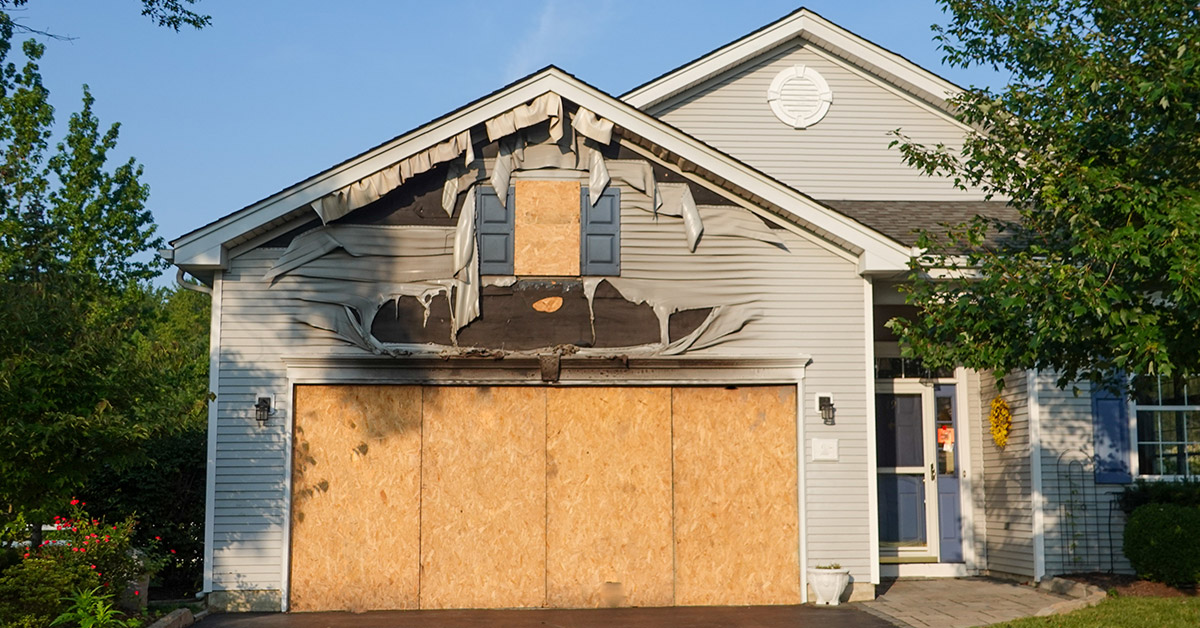 Collapsing garage in Massachusetts? Learn how repairs, demolition, inspections, and financing affect selling your house as-is.
 Failing retaining wall in Massachusetts? Learn how repairs, permits, inspections, and financing affect selling your house as-is.