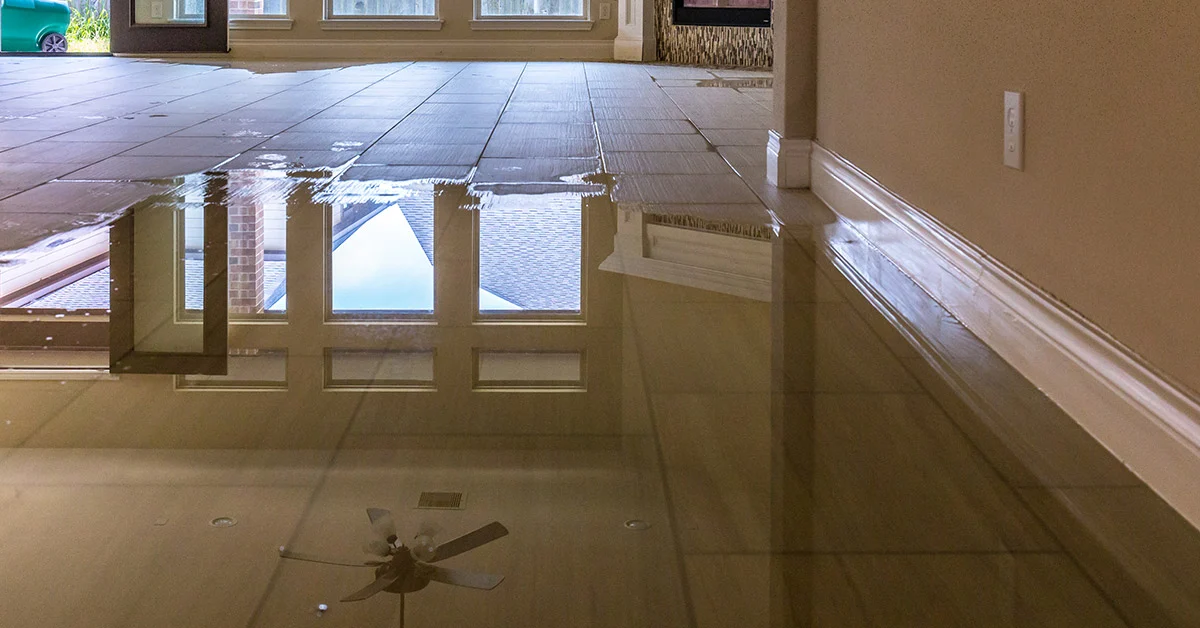
Selling a House After Water Damage From Frozen Pipes in Massachusetts

Table of Contents
Water damage from frozen pipes can turn a Massachusetts house from “needs a few updates” into “what happened here?” in one cold night. A pipe freezes. The water inside expands. The pipe bursts. Then the real damage starts when the pipe thaws and water moves through walls, ceilings, floors, insulation, cabinets, basements, and electrical areas. If no one catches it fast, the damage can spread for hours or even days.
That is the nightmare version. Unfortunately, it is not rare in Massachusetts.
Frozen pipe damage is a common risk in older homes, vacant houses, rental properties, inherited properties, and homes with poor insulation or old plumbing. In Boston and Greater Boston, where many homes were built long before modern winter-proofing standards, one burst pipe can expose years of hidden problems.
If your house has water damage from frozen pipes, you may wonder if you can still sell it.
Yes, you can.
The bigger question is whether you should repair the damage first, wait for insurance, list the home traditionally, or sell it as is to a buyer who understands old Massachusetts properties.
Why Frozen Pipe Damage Hits Massachusetts Homes Hard
Massachusetts winters are not gentle.
Cold snaps, old plumbing, drafty basements, poor insulation, vacant homes, and heating problems can all create the perfect setup for frozen pipes. Pipes in exterior walls, crawl spaces, garages, basements, attics, and poorly heated rooms are especially vulnerable.
In older Boston homes, the risk can be higher. A triple decker in Dorchester, a single-family in Roslindale, a two-family in Mattapan, or an inherited house in Hyde Park may have older supply lines, patched plumbing, unheated basement areas, or walls with weak insulation. Homes in Jamaica Plain, East Boston, West Roxbury, Quincy, Somerville, Medford, Malden, Revere, Brookline, Newton, and nearby communities can face the same problem.
The pipe burst itself is only the first issue.
Water damage can affect drywall, plaster, hardwood floors, subflooring, ceilings, cabinets, insulation, wiring, heating systems, and personal belongings. If the damage is not dried correctly, mold can become a concern. If the property was vacant, the owner may not know how long the water ran.
That uncertainty can make buyers nervous.
And nervous buyers start subtracting money.
A Burst Pipe Can Create More Than One Problem
Sellers often think of frozen pipe damage as a plumbing issue.
Buyers see it as a whole-house risk.
They want to know where the pipe burst, how much water entered the house, how long the water sat, whether the area was professionally dried, whether mold testing was done, whether repairs were completed, whether insurance paid, whether permits were needed, and whether hidden damage remains.
Those are fair questions.
Water has a talent for going where nobody invited it. It can travel behind walls, under flooring, into ceiling cavities, down stairwells, and into basements. It can damage areas far from the original pipe break.
In an older Massachusetts home, water damage can also reveal existing issues. Old plaster may fail. Old wiring may need review. Old floors may warp. Basement moisture may get worse. A small leak can become a larger repair project once demolition starts.
This is why sellers need a plan before putting the house on the market.
The damage is not just what you see. It is what the buyer fears they cannot see.
Insurance May Help, But It May Not Solve Everything
Many homeowners file an insurance claim after frozen pipe damage.
That can help, but it does not always make the sale simple. The insurance company may send an adjuster, request documentation, review whether the home was heated, and decide what is covered under the policy.
Mass.gov notes that most homeowners insurance pays for sudden and accidental water damage from a burst pipe only if the home was properly heated and not left unoccupied. Mass.gov also says frozen pipes caused by extreme cold may not be covered if the damage was due to negligence, such as failing to maintain adequate heat when the owner had the ability to do so.
That matters if the home was vacant, inherited, used as a second home, or left with low heat. It may also matter if the insurance company believes the damage could have been prevented.
Even when the claim is covered, the process can take time. There may be mitigation work, drying, demolition, contractor estimates, adjuster review, payment delays, supplements, lender involvement, and repair scheduling.
If you need to sell soon, waiting for the claim to finish may not fit your timeline.

Should You Repair the Damage Before Selling?
Sometimes repairing the damage before selling makes sense.
If the insurance claim is approved, contractors are available, the damage is limited, and the repairs will make the house easier to finance, repairs may help. A clean repair file can calm buyers. Receipts, photos, drying reports, mold remediation records, and contractor invoices can support the sale.
But repairs after frozen pipe damage are not always simple.
Water damage often starts small on paper and grows during demolition. Once damaged drywall or plaster comes out, contractors may find old wiring, rot, poor insulation, plumbing issues, or mold. Flooring may need replacement beyond the visible damaged area. Cabinets may not match. Walls may need repainting. Electrical systems may need review if water reached outlets, panels, fixtures, or wiring.
If the home is older, vacant, cluttered, tenant-occupied, or already in poor condition, managing repairs can become expensive and stressful.
Before fixing everything, ask whether the repair work will increase your net sale enough to justify the time, cost, and risk.
A finished repair may help. A half-finished repair can scare buyers even more.
Why Buyers Get Nervous About Water Damage
Water damage carries a stigma.
Buyers may worry that the home was not dried correctly. They may worry about mold behind walls. They may worry about recurring plumbing issues. They may worry that the house was vacant and neglected. They may worry that insurance will be harder to get. They may worry that future repairs will cost more than expected.
The inspection report can make those fears worse.
An inspector may note staining, moisture readings, damaged flooring, damaged ceilings, prior repairs, visible mold-like growth, poor insulation, or signs that the plumbing system needs more work. If the buyer is using a mortgage, the lender may also care about property condition.
A buyer may still want the property, especially in Boston’s tight housing market. But they may ask for a credit, a price reduction, completed repairs, mold testing, plumbing records, or proof that the home is safe and dry.
That can delay closing.
The issue is not always that the house is beyond repair. The issue is that buyers want certainty, and water damage is very good at creating doubt.
Vacant Homes Face More Risk
Frozen pipe damage is especially serious in vacant houses.
If someone lives in the home, they may hear the pipe burst or notice water quickly. If the house is empty, water can run for a long time before anyone finds it. That can lead to much larger damage.
Vacant homes also raise insurance questions. Some insurance policies treat vacant or unoccupied homes differently. Coverage may change after the home has been empty for a certain period. If the owner did not tell the insurer the home was vacant, the claim may become more complicated.
This often happens with inherited properties, homes in probate, rental properties between tenants, houses where the owner moved out first, and properties sitting through winter while the family decides what to do.
If the home is vacant and has already suffered frozen pipe damage, the owner needs to act quickly. Shut off the water. Protect the property from more damage. Contact the insurer. Document everything. Then decide whether repairs or an as-is sale make more sense.
A vacant damaged house is not something to leave for “next month.”
Next month has a nasty habit of bringing more bills.
Selling During an Open Insurance Claim
You may be able to sell while the insurance claim is still open, but the details matter.
The buyer will want to know what happened, what has been paid, what is still pending, and whether the claim money stays with the seller or is assigned in some way. If there is a mortgage, the lender may be named on insurance payments and may control the release of funds.
This is not something to handle with a vague promise at the kitchen table.
Talk to your insurance company, mortgage servicer, and closing attorney before signing a deal. Ask how claim payments work if the property sells before repairs are finished. Ask whether funds can be released, whether repairs must be completed, and what documents are needed.
A buyer may ask for the claim file, adjuster notes, estimates, photos, mitigation invoices, mold reports, and contractor bids. The more organized your paperwork is, the easier it is for a serious buyer to price the property.
A messy claim file creates a larger uncertainty discount.
Selling As Is After Frozen Pipe Damage
Selling as is means the buyer purchases the property in its current condition. The seller does not agree to complete major repairs before closing unless the contract says otherwise.
For a house with frozen pipe water damage, this can be a practical option.
An as-is buyer can inspect the home, review the visible damage, estimate repairs, and make an offer based on the property’s current condition. The seller does not need to finish the insurance process, manage contractors, replace floors, open walls, or make the home perfect for retail buyers.
This can help when the damage is major, the claim is delayed, the house is vacant, the seller lives out of state, the property was inherited, or the home has other old-house issues.
For We Buy Old Properties, this type of situation fits the business well. The company buys older homes and as-is properties in Boston and surrounding Massachusetts communities, including houses with water damage, frozen pipe damage, old plumbing, deferred maintenance, and repair problems that make a traditional sale harder.
The offer will reflect the damage and repair risk. But it can also give the seller a faster, cleaner way out.
Why Cash Buyers Can Be a Better Fit
Cash buyers can be a better fit for homes with frozen pipe damage because they often have more flexibility than traditional buyers.
A traditional buyer may need mortgage approval, appraisal approval, inspection comfort, insurance approval, and repairs before closing. A cash buyer can often evaluate the damage directly and decide whether the project works.
That does not mean cash buyers ignore water damage. They will price it. Water damage can be expensive, and hidden damage is real risk.
But an experienced cash buyer may be more comfortable buying a property that needs drying, demolition, plumbing repair, mold work, flooring, walls, or full renovation. They may also be more comfortable with older Massachusetts homes where water damage is one part of a larger repair plan.
For sellers, the tradeoff is simple. A traditional sale may bring a higher price after full repairs. A cash sale may bring less on paper but save time, repair costs, holding costs, insurance headaches, and buyer financing risk.
The real question is not “What could the house sell for if everything were perfect?”
The real question is “What can I actually close for now?”
What Sellers Should Gather Before Choosing a Path
Before selling, gather the information buyers will ask for.
You should look for insurance claim documents, claim number, adjuster reports, photos, mitigation invoices, plumber invoices, drying logs, mold reports, contractor estimates, repair invoices, and any proof that the water source was fixed.
If the home was vacant, gather information about heat settings, winterization, utility status, property checks, and when the damage was discovered.
If repairs were completed, keep receipts and before-and-after photos. If repairs were not completed, be honest about what remains.
You do not need to solve every issue before selling. But you do need to understand enough to explain the property clearly.
Clarity sells better than chaos.
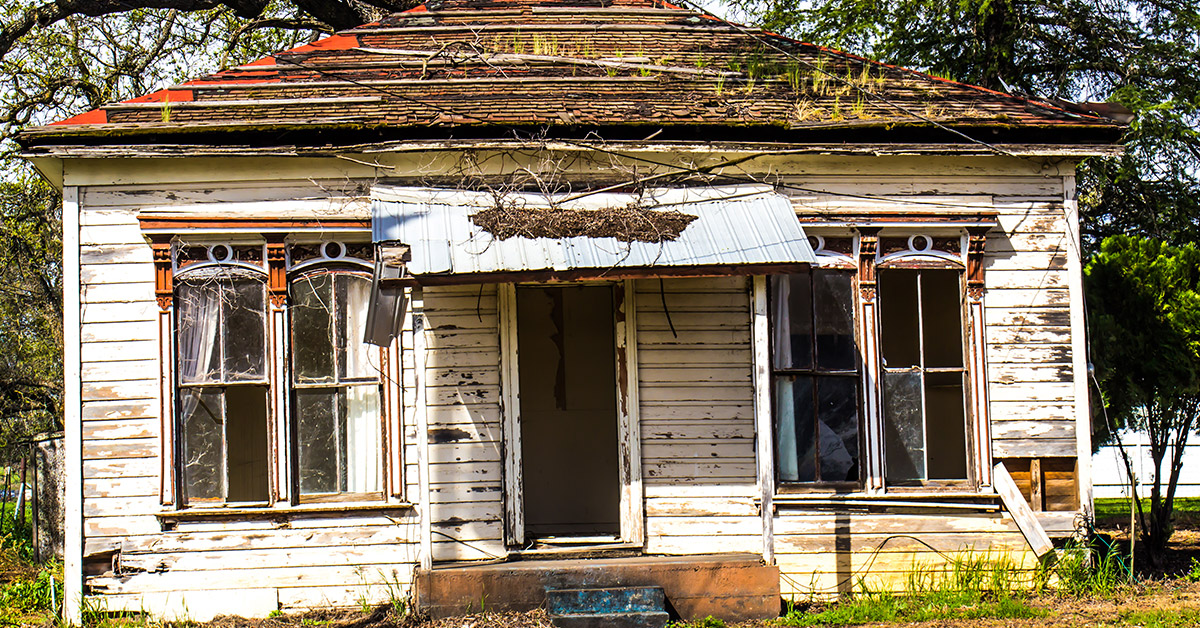 Uninhabitable house in Massachusetts? Learn how condemnation orders, repairs, and financing affect selling your property as-is.
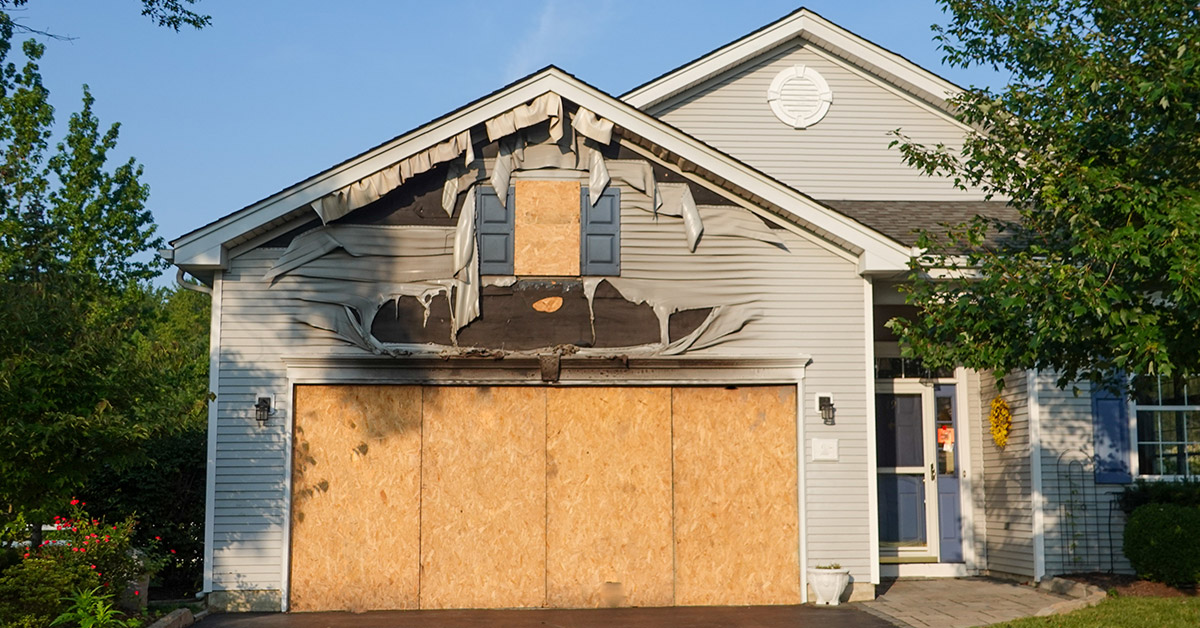 Collapsing garage in Massachusetts? Learn how repairs, demolition, inspections, and financing affect selling your house as-is.
 Failing retaining wall in Massachusetts? Learn how repairs, permits, inspections, and financing affect selling your house as-is.