Selling a Rental Property With Deferred Maintenance in Massachusetts

Table of Contents
- Table of Contents
- Deferred Maintenance Is Common in Older Massachusetts Rentals
- Why Landlords Delay Repairs
- Buyers See Deferred Maintenance as Risk
- Massachusetts Rental Rules Add Pressure
- Traditional Buyers May Want the Income, Not the Problems
- Tenants Can Make the Sale More Complicated
- Should You Fix the Property Before Selling?
- Selling As Is Can Be the Cleaner Path
- Why Cash Buyers Fit Deferred Maintenance Properties
- What to Gather Before You Sell
- The Bottom Line for Massachusetts Landlords
Owning a rental property sounds simple until the repairs start stacking up. At first, it may be small things. A leaky faucet. A loose railing. A cracked tile. A heating call on the coldest night of February, because boilers enjoy drama. Then the roof gets older. The tenants report water in the basement. The back porch needs work. The electrical panel looks tired. The kitchen is dated. The bathroom fan stopped working sometime during the last presidential administration.
That is deferred maintenance.
It means repairs, updates, or safety work were delayed over time. Sometimes the landlord meant to handle them but never got the right window between tenants. Sometimes cash flow was tight. Sometimes the property was inherited. Sometimes the tenants were difficult. Sometimes the owner lives out of state and only hears about problems after they become urgent.
If you own a rental property in Massachusetts with deferred maintenance, selling may feel complicated. You may wonder if you have to fix everything first. You may worry that buyers will run after inspection. You may not want to displace tenants. You may not have the money, time, or patience to manage contractors.
Here is the plain answer: you can sell a rental property with deferred maintenance in Massachusetts.
The better question is how to sell it without letting repairs, tenants, inspections, and buyer financing turn the process into a second job.
Deferred Maintenance Is Common in Older Massachusetts Rentals
Massachusetts has a lot of older rental housing.
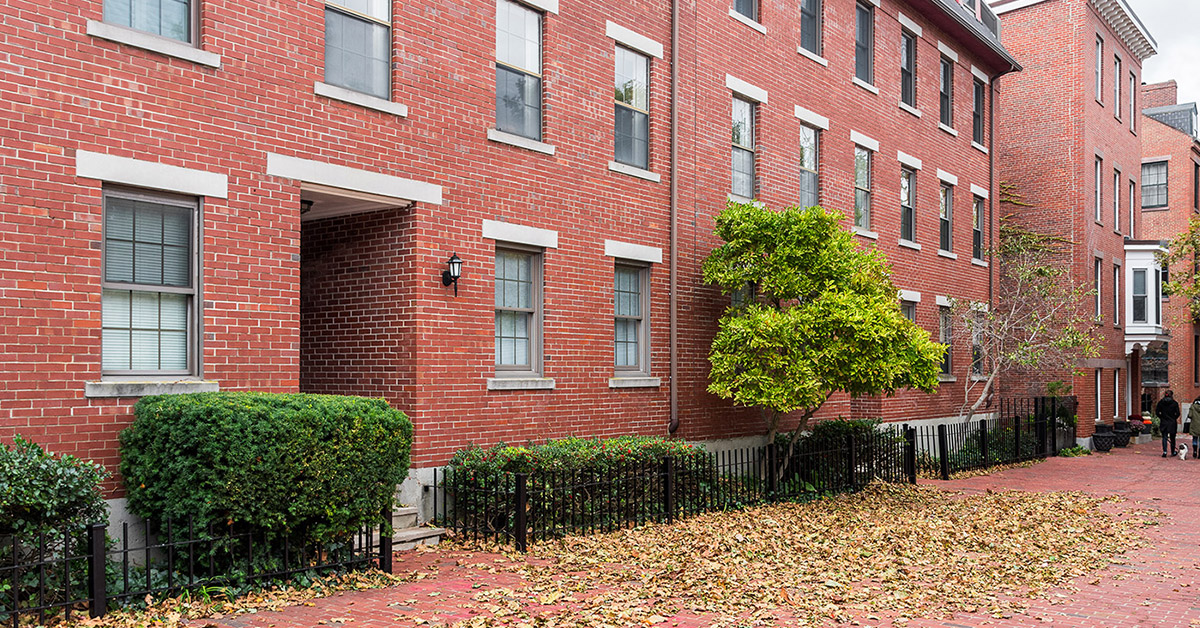
In Boston and nearby communities, many rental properties were built long before modern building expectations. Two-family homes, triple deckers, old single-family rentals, small apartment buildings, and mixed-use properties often come with aged systems and years of repairs layered on top of repairs.
In places like Dorchester, Mattapan, Hyde Park, Roslindale, Jamaica Plain, East Boston, Quincy, Somerville, Medford, Malden, Revere, Everett, Chelsea, Brookline, Newton, and Cambridge, rental demand can be strong. But strong demand does not mean the property is easy to sell.
Tenants may be paying below-market rent. Units may need updates. Common areas may be worn. The roof may be near the end of its life. Old windows may be drafty. Exterior paint may be peeling. Plumbing may be patched. Electrical systems may need upgrades. Lead paint, asbestos, knob and tube wiring, moisture, pest issues, and old heating systems can also come up.
A landlord can collect rent for years while the building slowly falls behind.
That does not make the property worthless. It does mean the sale needs a realistic plan.
Why Landlords Delay Repairs
Landlords do not always delay repairs because they are careless.
Sometimes the numbers are tight. Mortgage payments, taxes, insurance, water bills, repairs, tenant turnover, and management costs eat into cash flow. A property may look profitable on paper but still leave the owner with little room for big-ticket repairs.
Sometimes access is hard. If tenants work odd hours, have pets, resist entry, or are hard to communicate with, even simple repairs can become a scheduling mess.
Sometimes the landlord is exhausted. After years of late-night calls, missed rent, contractor no-shows, and rising costs, fixing one more thing feels like trying to mop during a rainstorm.
And sometimes the property was inherited. The new owner may not know the repair history, lease terms, tenant relationships, or what work was done correctly.
Deferred maintenance usually has a story. Buyers may not care about the whole story, but they will care about the results.
Buyers See Deferred Maintenance as Risk
When buyers look at a rental property with deferred maintenance, they are not just seeing repairs. They are seeing risk.
They want to know what it will cost to bring the property up to standard. They want to know whether tenants are happy or preparing complaints. They want to know if the rents support the work. They want to know if the property can pass inspections, qualify for financing, and keep producing income.
A small issue can feel larger when a property is tenant-occupied. A roof leak is not just a roof leak. It may mean tenant complaints, interior repairs, mold concerns, and possible rent disputes. A bad heating system is not just an old boiler. In Massachusetts winter, it is a serious problem with a deadline attached.
This is why deferred maintenance affects price.
A buyer may still want the property, but they will price in repairs, uncertainty, tenant issues, and the time it takes to stabilize the building. If the buyer needs a mortgage, the lender may also care about the property’s condition.
That is where deals can stall.
Massachusetts Rental Rules Add Pressure
Rental property owners in Massachusetts have legal responsibilities. The State Sanitary Code sets minimum standards for rental housing, and local boards of health can enforce those rules. That means a landlord cannot simply ignore serious health and safety issues because the property is for sale.
If the heat does not work, there are unsafe exits, active leaks, serious electrical hazards, pest problems, or other habitability issues, selling the property does not erase the concern overnight. Tenants still have rights. Buyers will want to know what they are inheriting.
This is especially important in Boston, where tenant-occupied properties can involve lease terms, deposits, rent ledgers, access issues, and city-level expectations. A buyer may want to see leases, payment history, security deposit records, notices, repair records, and any board of health or code-related documents.
A seller who has clean records has an easier time. A seller who has missing records and a building full of repairs may face more questions.
That does not mean the property cannot be sold. It means the seller needs to be honest about the condition and pick a buyer who can handle the situation.

Traditional Buyers May Want the Income, Not the Problems
Some traditional buyers love rental properties. They like the income, the long-term value, and the chance to build equity.
But many buyers want the building to be stable from day one. They want clean units, solid tenants, current rents, working systems, and limited repairs. They may not want to inherit years of delayed maintenance.
A buyer walking through a tired rental property may start adding up costs fast. Roof. Heating. Plumbing. Electrical. Flooring. Paint. Appliances. Common areas. Exterior work. Unit turns. Pest treatment. Lead paint concerns. Legal review. Tenant communication.
By the end of the showing, they are no longer thinking about your asking price. They are thinking about their repair spreadsheet.
If the numbers still work, they may offer. If not, they may pass or ask for a steep discount.
That can be frustrating for landlords who know the location is strong and the property has income potential. But buyers buy the property as it is, not as it could be after a perfect renovation that someone else pays for.
Tenants Can Make the Sale More Complicated
Selling a rental property is already different from selling a vacant house. Selling one with deferred maintenance adds another layer.
Tenants may limit showing access. They may be upset about the sale. They may mention repairs to buyers. They may have leases that continue after closing. They may pay below-market rent, which can lower investor interest. They may have unpaid rent, old security deposit questions, or complaints about the property.
None of this automatically kills a sale. But it changes who the best buyer is.
A retail buyer who wants to occupy the home may not want to wait for leases to end. A new landlord may want a discount if rents are low and repairs are high. A lender may review rental income and property condition. An appraiser may need access to units.
The more complicated the tenant situation, the more helpful it can be to work with a buyer who understands occupied rental properties.
This is where a direct cash buyer may be a better fit than a standard buyer who gets nervous once the details appear.
Should You Fix the Property Before Selling?
Maybe. But not always.
Small repairs can help. Fixing obvious safety issues, cleaning common areas, improving lighting, repairing minor leaks, and organizing records can make the property easier to sell.
Large repairs are another matter.
Replacing a roof, updating electrical systems, repairing porches, replacing heating equipment, correcting plumbing problems, removing lead paint hazards, or renovating units can cost serious money. If tenants are living in the property, the work may also require access, scheduling, disruption, and coordination.
Before taking on major repairs, ask whether the repair will increase the sale price enough to justify the cost, time, and risk.
Many landlords assume repairs will pay for themselves. Sometimes they do. Sometimes they do not. If the property has several big issues, fixing one may only reveal the next. You replace the boiler, then the buyer focuses on the roof. You repair the roof, then they ask about lead paint. You paint the hallway, then someone points at the old wiring.
Congratulations, you have entered the landlord version of whack-a-mole. It is not a fun carnival game.
If you are tired of managing the property, more repairs may not be the answer.
Selling As Is Can Be the Cleaner Path
Selling as is means the buyer purchases the property in its current condition. The seller does not agree to make major repairs before closing unless the contract says otherwise.
For rental properties with deferred maintenance, this can be a practical option.
An as-is buyer can look at the building, review the rents, consider the tenants, estimate repairs, and make an offer based on the real condition. The seller does not have to renovate units, replace every old system, or wait for a retail buyer to feel comfortable.
This can help landlords who want to stop managing the property, avoid more repair costs, sell with tenants in place, or move on from a building that has become too much work.
An as-is sale can also reduce disruption. Instead of repeated showings, inspection rounds, contractor visits, and buyer delays, the seller may work with one buyer who understands the property’s condition from the start.
That does not mean the offer ignores the repairs. The buyer will price the work into the number. But for many sellers, accepting a repair-adjusted offer is better than paying out of pocket before the sale.
Why Cash Buyers Fit Deferred Maintenance Properties
Cash buyers can be a strong fit for tired rental properties because they are often more flexible than traditional buyers.
They may not need the same lender approval. They may be more comfortable with old systems, tenant issues, repairs, code concerns, and imperfect records. They may understand how to price risk and close without asking the seller to fix everything first.
For We Buy Old Properties, this is a natural fit. The company buys older homes and as-is properties in Boston and surrounding Massachusetts communities, including rental properties that need repairs, have tenants, or no longer make sense for the owner.
A landlord may be able to sell without emptying units, completing major repairs, or waiting for a buyer who wants a perfect building at a discounted price. That alone can make the process easier.
The tradeoff is that a cash offer may be lower than the best possible retail price. But the net result may still make sense when you factor in repairs, vacancy, rent loss, carrying costs, agent commissions, tenant issues, and the emotional cost of staying stuck.
Real estate math is not just sale price. It is sale price minus everything the property still wants from you.
What to Gather Before You Sell
Before selling a rental property with deferred maintenance, gather the basics.
Find the leases, rent ledger, security deposit records, utility information, tax bills, insurance documents, repair history, code notices, tenant communications, and any records tied to major systems. If you have permits, invoices, warranties, or inspection reports, keep those ready too.
You should also be clear about tenant status. Who lives there? Are they current on rent? Are they month to month or under lease? Are there complaints or pending issues? Are there repairs that need urgent attention?
Buyers do not expect every old rental to be perfect. They do expect honesty.
The cleaner your information, the easier it is for a serious buyer to make a real offer.


 Delayed home closing in Massachusetts? Learn why closings get postponed, what sellers can do, and when a delay may put the sale at risk.
 Buyer financing falls through in Massachusetts? Learn what happens to the sale, deposit and closing, plus what sellers can do next.
 Low home appraisal in Massachusetts? Learn what sellers can do when an appraisal is below the sale price and how it may affect the deal.