
Can You Sell a House With a Broken Heating System in Massachusetts?

Table of Contents
A broken heating system can turn an ordinary Massachusetts home sale into a much more complicated decision. Maybe the boiler stopped working just before you planned to list. Maybe an inspection revealed that the furnace needs major repairs. Or perhaps you own an older house with a heating system that has reached the end of its useful life, and you are wondering whether spending thousands of dollars to replace it makes sense before selling.
The good news is that a house does not necessarily have to have a brand-new heating system before it can be sold. But a broken heating system in Massachusetts can affect inspections, buyer interest, financing, negotiations, and the price a buyer is willing to pay.
For homeowners, the real question is often not simply whether the house can be sold. It is whether repairing or replacing the heating system will produce enough benefit to justify the cost, or whether selling the property as-is makes more sense.
Can You Sell a House if the Heating System Does Not Work?
Potentially, yes.
A broken furnace or boiler does not automatically make a property impossible to sell. Homes are sold with significant repair needs every day, particularly older properties and houses being marketed as-is.
However, the condition of the heating system can affect how easy the transaction will be.
A traditional buyer may expect the heating system to be operational. A home inspector may identify problems with the equipment or distribution system. A buyer may request repairs, a price reduction, or another solution after the inspection.
Financing can introduce another consideration. Depending on the loan, property condition and lender requirements, a nonworking heating system may need to be addressed before financing can move forward.
That is why sellers should consider the entire transaction rather than assuming that a broken boiler automatically means they must replace it before putting the house on the market.
Why Is a Broken Heating System a Bigger Issue in Massachusetts?
Heating is particularly important in Massachusetts because of the state’s climate and housing requirements.
For occupied residential properties subject to Massachusetts housing requirements, adequate heat is not simply a comfort issue. Current Massachusetts guidance states that residential units generally must maintain at least 68°F during the day and 64°F at night during the heating season, subject to the applicable rules and circumstances. Massachusetts Government
For a homeowner selling an owner-occupied single-family property, the legal circumstances may be different from those of a landlord with tenants. But from a buyer’s perspective, a house without reliable heat is still a significant property-condition issue.
In Greater Boston, the problem can be especially noticeable in older housing stock where boilers, furnaces, radiators, pipes and other components may already have decades of use.
Will a Broken Heating System Show Up During a Home Inspection?
Very likely, if the system is accessible and conditions allow it to be evaluated.
Massachusetts home-inspection standards include heating systems among the major components inspectors examine. The state’s guidance says an inspection can cover heating equipment, distribution systems, operating controls, safety controls, accessible flue piping and vents, and other observable components. Massachusetts Government
An inspector may report that the heating system is not functioning properly or needs repair and may recommend additional evaluation when appropriate.
There are limitations. For example, inspectors are not necessarily required to operate equipment when doing so could cause damage or when fuel or electricity has been shut off. Massachusetts Government
Still, sellers should not assume that a nonworking furnace or boiler will simply go unnoticed.
If the heating system already has a known problem, it is generally better to understand the problem before negotiations reach a critical stage.
Massachusetts Home Inspection Rules Make This More Important for Sellers
Massachusetts sellers should also understand that the state’s home-inspection rules changed in 2025.
For many residential transactions involving one-to-four-unit properties, sellers and their agents cannot condition acceptance of an offer on a buyer agreeing to waive or restrict the buyer’s right to a home inspection. Buyers still may decide not to obtain an inspection, but sellers generally cannot require that decision as a condition of accepting the offer. Massachusetts Government
That makes it even more important to think realistically about major systems before listing.
If your furnace or boiler is not working, there is a meaningful possibility that the issue will become part of the transaction.
What if the Boiler Stops Working Before Closing?
Timing matters.
Suppose the heating system was working when you listed the house but fails after you accept an offer.
Do not automatically assume that you can simply proceed to closing without addressing it.
The purchase and sale agreement, representations made during the transaction, the buyer’s financing, and the circumstances surrounding the failure can all matter.
The buyer may request that the system be repaired. The parties may negotiate another solution. The failure could also contribute to a delayed transaction if additional evaluation or work is necessary.
If a major property issue is threatening your closing, WBOP’s guide to what happens when a home closing is delayed in Massachusetts explains some of the other problems sellers can encounter when a transaction cannot close as originally scheduled.
Should You Repair the Heating System Before Selling?
Sometimes.
The first step is determining what is actually wrong.
A heating system that needs a relatively modest repair presents a very different decision from a boiler or furnace that requires complete replacement.
Before committing to an expensive project, sellers may want to obtain a professional evaluation and estimate.
Then consider the likely return.
If a repair is reasonably affordable and makes the system fully operational, completing it may remove a significant objection for traditional buyers.
But if the heating system needs a complete replacement, the calculation becomes more complicated.
Spending a large amount on a new system does not necessarily mean the home’s sale price will increase by the same amount.
Should You Replace an Old Boiler Before Selling?
Not automatically.
Massachusetts has many older homes with aging boilers that continue to operate.
An old heating system and a broken heating system are not necessarily the same thing.
If your boiler works but is nearing the end of its expected service life, buyers may factor its age into their offer or request concessions. That does not necessarily mean replacement before listing is the best financial decision.
If the boiler no longer works at all, buyers may view the issue differently because they are purchasing a property that immediately needs a major functioning system restored.
Before replacing it, consider:
How much will replacement cost?
How quickly can the work be completed?
Will additional work be necessary?
How much value is the new system realistically likely to add?
Could you sell the property in its existing condition instead?
The answers will vary considerably from one house to another.

What if the House Has an Oil Heating System?
Oil heat remains common in older Massachusetts properties.
An oil-fired heating system can create additional considerations if the boiler or furnace is failing.
The seller may need to determine whether the problem is with the heating equipment itself, the oil supply, controls, burner, tank, or another component.
If there is also an old or problematic oil tank, the situation can become more complicated.
A seller should understand the scope of the problem before assuming that replacing the boiler alone will solve everything.
Can You Sell a House With No Heat During the Winter?
Selling during a Massachusetts winter can make a broken heating system especially difficult.
Beyond buyer concerns, leaving a house without adequate heat can put the property itself at risk.
Frozen pipes can burst and create significant water damage. A heating failure that begins as one expensive repair can therefore lead to damaged ceilings, walls, floors, insulation, or other building components.
WBOP has a separate guide to selling a house after water damage from frozen pipes in Massachusetts if a heating failure has already caused that type of damage.
If the property is vacant, sellers should be especially careful about allowing temperatures to fall low enough to put plumbing and other systems at risk.
Can You Use Space Heaters Instead?
Space heaters may provide temporary warmth in some situations, but sellers should not assume that plugging in several portable heaters solves the underlying property issue.
For occupied housing subject to Massachusetts heating requirements, state guidance specifically notes that portable space heaters do not satisfy the regulatory heating requirement. Massachusetts Government
From a home-sale perspective, temporary heaters also do not turn a broken central heating system into a functioning one.
A buyer evaluating the property is likely to want to know what is wrong with the permanent system and what it will take to repair or replace it.
Can a Broken Heating System Affect the Buyer’s Mortgage?
Potentially.
Mortgage lenders and loan programs can have property-condition requirements, and the specific requirements depend on the financing involved.
A buyer using financing may therefore face issues that a cash buyer does not.
This does not mean every old boiler or furnace prevents mortgage approval. There is an important distinction between equipment that is simply old and a house without a functioning source of heat.
If a buyer’s lender requires repairs before closing, the parties may have to decide who will perform the work, whether the transaction can be restructured, or whether the sale can proceed at all.
Sellers should avoid making broad assumptions about what a particular lender will accept. The buyer and lender need to determine the requirements of that loan.
Can a Broken Heating System Cause a Buyer to Back Out?
It can contribute to a buyer reconsidering the purchase, particularly if the problem is discovered during the inspection period or the repair turns out to be more expensive than expected.
Whether a buyer has a contractual right to terminate depends on the agreement and circumstances.
A buyer might instead ask the seller to repair the system, negotiate a lower price, request a credit where appropriate, or continue with the transaction.
If your buyer ultimately decides not to proceed, WBOP’s guide to what happens when a buyer backs out of a home sale in Massachusetts explains what sellers may face after a transaction falls apart.
Should You Give the Buyer a Credit Instead of Replacing the Heating System?
That may be an option in some transactions, but it is not automatically available or appropriate.
A buyer may prefer to choose their own heating contractor and equipment after closing. A seller may prefer a negotiated concession rather than managing a major project while trying to move.
However, financing requirements can affect what is possible.
If the lender requires the heating system to be operational before closing, simply offering the buyer money toward a future replacement may not resolve the issue.
The details need to be worked out among the parties and relevant professionals.
How Much Does a Broken Heating System Reduce a Home’s Value?
There is no universal amount.
The impact depends on factors such as the type of heating system, the extent of the problem, replacement cost, the condition of the rest of the house, local demand, buyer expectations, and the property’s overall value.
A broken boiler in a house that already needs extensive renovation may be treated as one item on a much larger repair list.
The same broken boiler in an otherwise renovated, move-in-ready home may stand out much more prominently.
Buyers also tend to think beyond the contractor’s estimate.
A buyer taking responsibility for a major repair may factor inconvenience, uncertainty, possible hidden problems, and the risk that the final project costs more than expected into the offer.
What if You Cannot Afford to Replace the Heating System?
This is where homeowners sometimes get stuck.
You know the system needs replacement, but you do not want to put thousands of dollars into a house you are already planning to sell.
That does not necessarily mean you have no options.
You may be able to market the property with the condition reflected in the price. You may receive an offer from a buyer willing to take responsibility for the work. Or you may consider an as-is sale rather than completing the replacement yourself.
The important thing is to compare the net outcome, not just the sale price.
A higher traditional sale price may come with repair expenses, carrying costs, financing contingencies, inspection negotiations, commissions, and additional time.
An as-is offer may be lower but require less work and uncertainty.
Can You Sell a House As-Is With a Broken Heating System?
Potentially, yes.
Selling as-is generally means the seller is offering the property in its existing condition rather than promising to make repairs requested by the buyer.
It does not mean that every legal obligation disappears, and it does not prevent a buyer from evaluating the property.
Massachusetts now provides many residential buyers with specific protections concerning their opportunity to obtain a home inspection. Sellers generally cannot make waiver of that inspection right a condition of accepting an offer in transactions covered by the regulation. Massachusetts Government
The buyer can then decide whether the property and its repair needs make sense.
Traditional Listing or Direct Sale?
For some homeowners, repairing the heating system before listing may be worthwhile.
If the rest of the property is in excellent condition, the repair is manageable, and you have time before selling, fixing the system may make the house easier to market to traditional buyers.
A direct sale may become more attractive when the heating problem is part of a larger picture.
Maybe the house also needs electrical work. The roof is old. The kitchen has not been updated in decades. There is water damage. The property is inherited or vacant. Or you simply do not want to coordinate another major project before selling.
In those situations, spending heavily on one system may not solve the larger challenge of preparing the property for the traditional market.
When Does Selling Without Replacing the Heating System Make Sense?
Selling without replacing the system may be worth considering when the cost is high relative to the likely increase in sale proceeds.
It can also make sense when timing matters.
Perhaps you are relocating, handling an estate, managing a vacant house, facing carrying costs, or dealing with several expensive property problems simultaneously.
The decision should be based on your particular house and financial situation.
Get realistic estimates. Understand what the property might sell for repaired versus unrepaired. Then compare the cost, time, and risk of each approach.
Selling a House With a Broken Heating System in Greater Boston
Older houses are part of Greater Boston’s character, but older properties often come with older mechanical systems.
A house may have an aging boiler, radiators, oil heat, outdated controls, older distribution piping, or a combination of systems added during different renovations.
When the heat stops working, homeowners can suddenly face a major expense just as they are preparing to sell.
We Buy Old Properties is based in Brookline and purchases houses throughout Greater Boston in a variety of conditions.
If you do not want to replace a failed boiler or furnace before selling, you can explore selling your house directly to We Buy Old Properties.
A direct cash sale can eliminate buyer mortgage financing from the transaction and may reduce the need to prepare the property for the traditional market. The appropriate option still depends on the property, its condition, and your priorities.
Frequently Asked Questions About Selling a House With a Broken Heating System in Massachusetts
Can I sell my house if the furnace does not work?
Potentially, yes. A nonworking furnace does not automatically prevent a sale, but it can affect inspections, negotiations, buyer financing and the price buyers are willing to offer.
Do I have to replace an old boiler before selling my house in Massachusetts?
Not simply because it is old. If the boiler is operational, buyers may still consider its age and remaining useful life when evaluating the property. A nonworking system can create additional issues.
Will a home inspector check the heating system?
Yes, within the scope and limitations of a Massachusetts home inspection. State standards include observable heating equipment, distribution systems, controls and other accessible heating components. Massachusetts Government
Can I sell my house as-is if the heat is broken?
Potentially. An as-is sale can allow the buyer to purchase the property in its current condition, but it does not eliminate applicable legal obligations or the buyer’s ability to evaluate the property.
Will a buyer’s lender require the heating system to be fixed?
Possibly. Requirements depend on the loan program, lender and property condition. Sellers should not assume that every buyer or mortgage program will handle a nonworking heating system the same way.
Is an old heating system the same as a broken heating system?
No. A boiler or furnace can be old and still function properly. A system that does not operate creates a different issue for buyers, inspectors and potentially lenders.
Should I replace my boiler or sell the house as-is?
Compare the replacement cost with the likely effect on your net sale proceeds. If the house needs several other major repairs or you need to sell quickly, an as-is sale may be worth comparing with the cost and time required to replace the system.
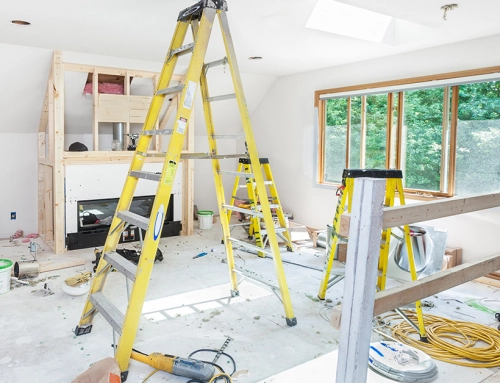


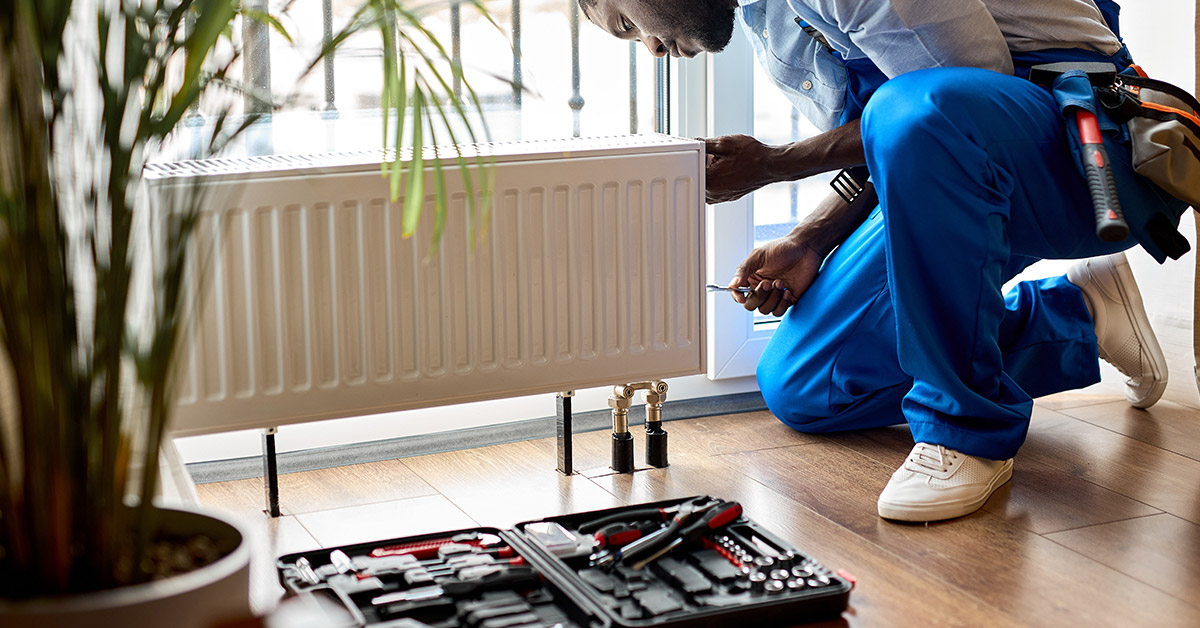 Selling a house with a broken heating system in Massachusetts? Learn how failed heat can affect inspections, financing, repairs and an as-is sale.
 Title search problems in Massachusetts can delay a home sale. Learn what happens when liens, old mortgages, deed or ownership issues appear.
 Selling a house with an unfinished renovation in Massachusetts? Learn how incomplete work, permits, financing, and repair costs can affect your options.