How to Sell a House When You Live Out of State

Table of Contents
Selling a house is already a project. Selling a house when you live out of state can feel like trying to manage that project through a keyhole. You may be in Florida, New York, California, Texas, Arizona, the Carolinas, or somewhere else entirely. The house may be in Boston, Brookline, Dorchester, Roslindale, Hyde Park, Mattapan, Jamaica Plain, East Boston, Quincy, Somerville, Medford, Malden, Revere, Newton, or another Massachusetts community. You may have inherited it. You may have moved away years ago. You may own it as a rental. You may be helping a parent. You may have left the house vacant because life moved faster than the real estate plan.
Now you need to sell it, but you are not nearby.
That distance changes everything.
You cannot easily meet contractors. You cannot quickly let in an inspector. You cannot check whether the heat is working. You cannot clean out the basement after work. You cannot drive over to see if the roof leak got worse after a storm.
The good news is that you can sell a Massachusetts house while living out of state. The better news is that you do not always need to fly back and forth to do it.
The key is choosing the sale path that matches the property’s condition, your timeline, and how much you want to manage from afar.
Out-of-State Sales Are Common in Massachusetts
Out-of-state sellers are common in Massachusetts, especially with older homes.
A family member passes away and leaves a house behind. An owner moves south but keeps the Massachusetts property as a rental. A landlord gets tired of managing tenants from another state. Adult children inherit a Boston-area house and do not agree on what to do next. A vacant property becomes too expensive to carry. A house that needs repairs becomes hard to manage remotely.
In Boston and Greater Boston, this happens often because many homes have been in families for decades. The property may have sentimental value, but it may also have old plumbing, old wiring, deferred maintenance, tenant issues, code problems, water damage, pest damage, or rooms full of belongings.
When the owner lives nearby, these problems are inconvenient.
When the owner lives out of state, they become a logistics puzzle with a mortgage payment attached.
That is why the first decision is not just “How much can I sell for?”
It is “How much work am I willing to manage from another state?”
Start With the Property’s Real Condition
Before choosing how to sell, you need an honest picture of the house.
Is it occupied or vacant? Is there a tenant? Is there a family member living there? Are utilities on? Is the heat working? Is the property insured as occupied, vacant, or rental? Is there water damage, mold, old wiring, a bad roof, a wet basement, pest damage, or major cleanout needed?
If you have not seen the house in months or years, do not assume the condition is the same as the last time you visited.
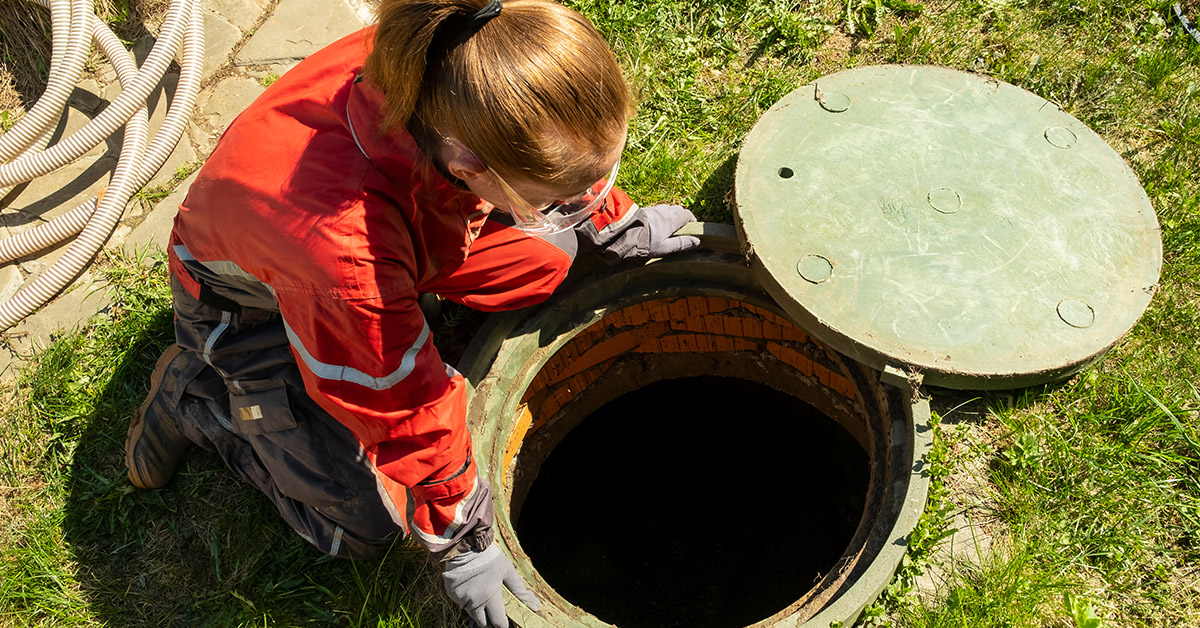
Vacant houses can change quickly. Pipes can freeze. Roof leaks can spread. Basements can take on water. Break-ins can happen. Pests can move in. Tenants may leave damage behind. Neighbors may know more about the property than you do.
If you plan to list traditionally, you may need someone local to walk through the house, take photos, collect mail, check utilities, meet vendors, and report back honestly.
If the property needs a lot of work, you may decide not to repair everything. But you still need to understand what you are selling.
Remote selling works best when there are fewer surprises.
Houses, unfortunately, love surprises.
Gather the Important Documents Early
When you live out of state, paperwork can slow everything down if you wait too long.
Start by gathering your deed, mortgage statement, tax bills, insurance information, utility information, lease documents if there are tenants, repair records, permits, warranties, and any probate or estate documents if the house was inherited.
Mass.gov notes that Massachusetts property owners can access deed records online through MassLandRecords and local assessor property record cards are also available through local assessors. That can help if you do not have every document on hand.
If there are multiple owners, make sure everyone agrees on the sale plan. Out-of-state sales can fall apart when one sibling wants to sell, another wants to wait, and a third has not checked email since Tuesday.
If the property is in probate or owned by a trust, speak with a Massachusetts real estate attorney before assuming you can sign a purchase agreement. The person signing needs legal authority to sell.
This is one area where early legal guidance can save weeks of confusion.
Understand How Closing Can Work From Afar
Many sellers worry they will need to fly back to Massachusetts for closing.
In many cases, a seller can sign documents remotely or with the help of proper notarization and closing coordination. However, Massachusetts real estate closings have specific legal and notarial requirements, and Mass.gov notes that real estate conveyancing in Massachusetts involves attorney participation in certain closing services.
Massachusetts also has rules for notarization and acknowledgments, including documents signed for real estate transactions and powers of attorney. If someone will sign on your behalf, the power of attorney needs to be handled correctly. Mass.gov guidance explains that the law related to acknowledgment and recording of deeds also applies to powers of attorney for real estate conveyance.
The practical point is simple: do not wait until the day before closing to ask how you will sign.
Talk with the closing attorney early. Ask whether documents can be overnighted, whether remote notarization is available for your situation, whether you need a local notary, and whether a power of attorney is appropriate.
Remote closings can work. Last-minute remote closings are where printers, notaries, time zones, and FedEx conspire against you.
Decide Whether to Sell Traditionally or As Is
Out-of-state sellers usually have two broad paths.
You can prepare the house for a traditional sale. That may mean hiring a local agent, cleaning out the property, making repairs, coordinating contractors, staging, photographing, listing, showing, negotiating, passing inspections, and waiting for buyer financing.
This can work well if the house is in strong condition and you have reliable local help.
The other path is selling as is. That means the buyer purchases the property in its current condition, with the repair needs, cleanout, and other issues included in the deal unless the contract says otherwise.
This can work well if the property is older, vacant, inherited, tenant-occupied, damaged, cluttered, or hard to manage from another state.
For We Buy Old Properties, this is often where the conversation begins. The company buys older homes and as-is properties in Boston and surrounding Massachusetts communities, including homes with repairs, old systems, code issues, water damage, tenant problems, inherited-property complications, and sellers who are not local.
The right path depends on the house and your tolerance for remote project management.
Repairs Are Harder When You Are Not Local
Repairs can be difficult even when you live five minutes away.
From another state, they can become a second job.
You may need to find contractors, schedule estimates, arrange access, compare bids, approve work, send payments, verify completion, handle permits, check quality, and deal with surprise costs. If the house is old, every repair can lead to another repair. A plumber opens a wall and finds old wiring. A roofer finds rotten sheathing. A basement cleanup reveals mold. A simple update becomes a renovation with a group chat.
If repairs are minor, this may be manageable.
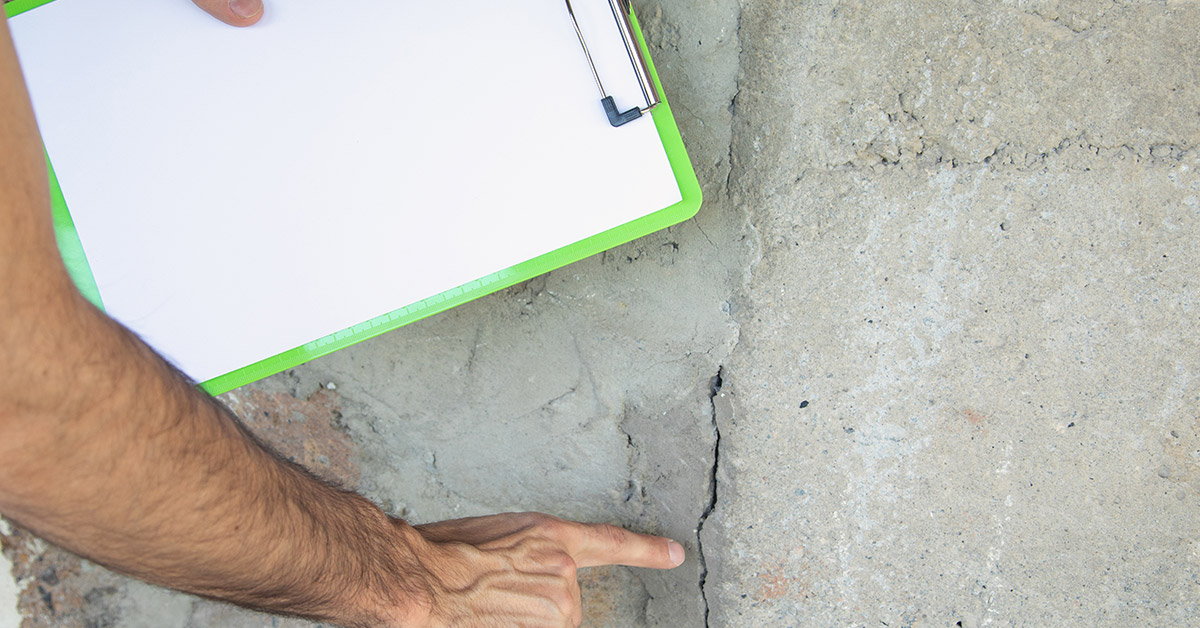
If the house needs major work, be careful. You could spend months and thousands of dollars trying to make the house more marketable, only to have the buyer’s inspection uncover more issues later.
Out-of-state sellers should ask one practical question before starting repairs:
Will this work actually increase my net sale price enough to justify the time, money, and stress?
Sometimes the answer is yes. Sometimes the answer is absolutely not, please step away from the contractor spreadsheet.
Cleanouts Can Be a Bigger Job Than Expected
Many out-of-state sales involve cleanouts.
Inherited houses, long-time family homes, rental properties, and vacant homes often contain furniture, boxes, appliances, clothing, tools, paperwork, holiday decorations, old paint cans, basement storage, attic storage, and the mysterious cabinet no one has opened since 1997.
Cleaning out a house from another state is possible, but it takes coordination. You may need a local cleanout company, estate sale company, junk removal crew, donation pickup, hazardous waste disposal, and someone you trust to decide what should be saved.
This can become emotional if the property belonged to a parent or relative.
It can also become expensive if the home has heavy items, basement debris, hoarding conditions, or damage.
If you sell traditionally, the cleanout may be necessary. If you sell as is, you may be able to leave some or all items behind depending on the buyer and contract.
That can be a major relief for out-of-state owners.

Do Not Ignore Smoke and Carbon Monoxide Requirements
Massachusetts sellers need to think about smoke and carbon monoxide compliance before closing.
Mass.gov says sellers need a certificate of compliance from the local fire department showing that smoke and carbon monoxide alarms meet the requirements for a sale or transfer.
If the property is in Boston, the city advises sellers to apply for the Smoke and Carbon Monoxide Detector Inspection as soon as the Purchase and Sale Agreement is signed.
For out-of-state sellers, this matters because someone local may need to install or update detectors, arrange access, meet the fire department, and handle any required fixes.
A smoke and CO certificate can feel like a small detail until it delays closing.
This is especially true if the house is vacant, cluttered, damaged, or hard to access.
Tenant-Occupied Properties Need Extra Planning
If your Massachusetts house has tenants and you live out of state, the sale requires more planning.
You need to know the lease terms, rent amount, security deposit status, tenant payment history, utility setup, and whether the tenant is cooperative. You also need to coordinate showings, inspections, appraisals, and access in a way that follows Massachusetts rules and the lease.
Some buyers will want the property vacant. Others may want to keep the tenant. Investors may be more comfortable buying tenant-occupied property than owner-occupant buyers.
If the tenant is behind on rent, refuses access, has damaged the property, or will not leave, the buyer pool may shrink.
For out-of-state landlords, this can be one of the main reasons to sell as is. Managing tenant issues locally is hard enough. Managing them from another state can feel like trying to fix a leaky pipe over FaceTime.
Vacant Houses Need Protection While You Sell
If the property is vacant, protect it while you decide what to do.
Confirm insurance coverage. Keep heat at a safe level in winter. Shut off water if appropriate. Check for leaks. Secure doors and windows. Have someone local check the property. Keep the yard maintained. Collect mail. Watch for break-ins, pests, and weather damage.
Vacant Massachusetts houses can become expensive quickly, especially in winter.
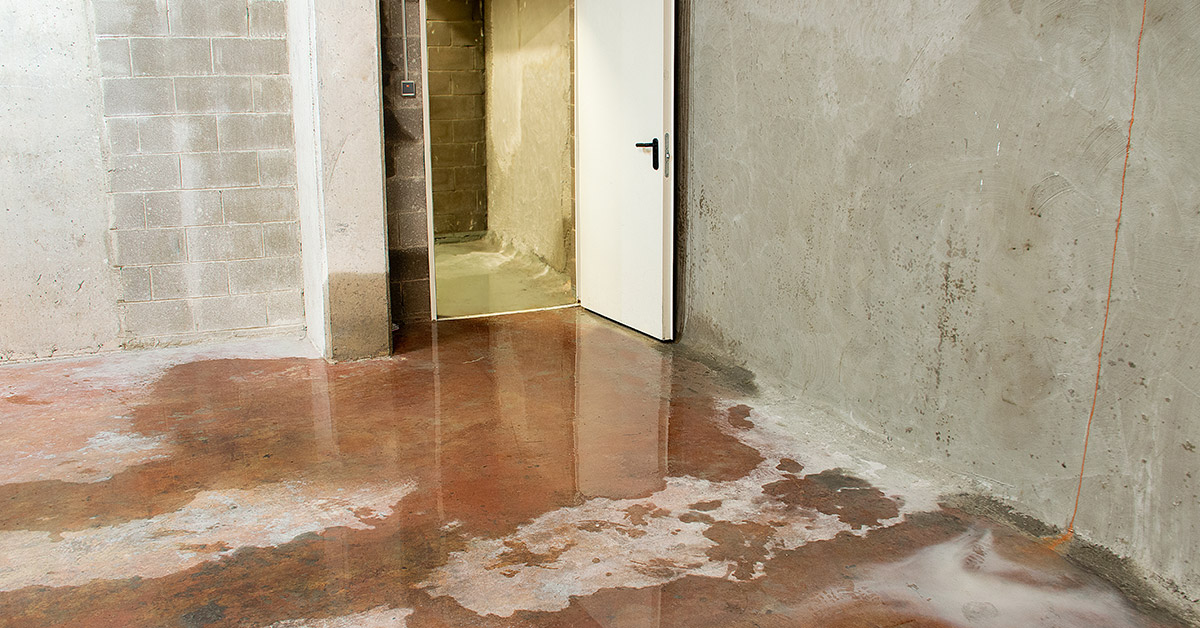
Frozen pipes, roof leaks, basement water, vandalism, and code complaints can all reduce value. The longer the property sits, the more risk you carry.
This is why some out-of-state owners choose a faster as-is sale. They are not only selling the house. They are stopping the carrying costs and the risk of the next problem.
The house may be quiet, but the bills are not.
Why Cash Buyers Can Be a Better Fit for Out-of-State Sellers
A cash buyer can be a better fit when the seller lives out of state because the process may require fewer repairs, fewer showings, fewer local errands, and less uncertainty.
A traditional buyer may need inspections, appraisals, financing approval, repairs, credits, cleanout, staging, and multiple visits. If the house has old systems, damage, tenants, or deferred maintenance, the sale can become complicated.
A cash buyer can often evaluate the property as is and make an offer based on current condition.
That does not mean the offer will be the same as a fully repaired retail sale. It will reflect the work needed. But for many out-of-state sellers, the value is in avoiding months of remote coordination.
When comparing options, look at the net result. Include repairs, cleanout, commissions, taxes, insurance, utilities, travel, missed work, legal costs, and time.
The highest possible listing price is not always the best outcome if getting there requires three flights, six contractors, and one nervous breakdown.
Selling an Inherited House From Out of State
Inherited houses are one of the most common out-of-state sale situations.
Maybe you grew up in the home but now live elsewhere. Maybe the house belonged to a parent, aunt, uncle, or grandparent. Maybe siblings live in different states. Maybe the property is in probate. Maybe nobody wants to empty it, but everyone wants the taxes and insurance to stop.
Before selling, confirm who has authority to sign. If probate is involved, the personal representative or court process may determine what can happen and when. If the property is in a trust, the trustee may have authority. If several heirs own the property, agreement may be needed.
Inherited homes also often come with deferred maintenance. The owner may have lived there for decades and delayed repairs. The house may need electrical updates, roof work, plumbing repairs, cleanout, lead paint attention, or basement work.
Selling as is can be a practical option when the family does not want to renovate from different states.
It can also reduce family friction. Nothing brings siblings together like deciding who pays for a dumpster. And by “together,” we mean “into a very long text thread.”
What Out-of-State Sellers Should Ask Before Choosing a Buyer
Before choosing a buyer, ask whether the buyer understands Massachusetts closings, older homes, as-is sales, and local property conditions.
Ask whether they can buy the house in its current condition. Ask whether you need to clean it out. Ask whether they can work with your attorney. Ask how inspections will work if you are not local. Ask whether the offer depends on financing. Ask what could delay closing.
If the house has tenants, damage, title issues, probate complications, old systems, or code problems, ask directly whether those issues are acceptable.
A serious buyer will answer clearly.
A vague buyer can waste time you do not have.
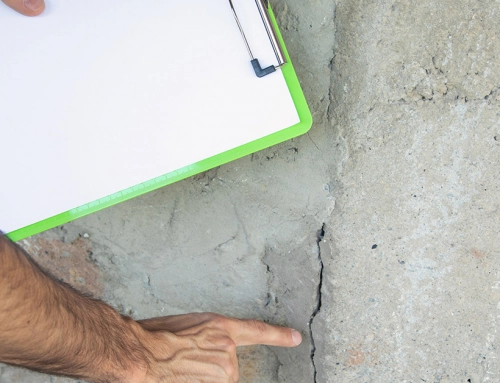
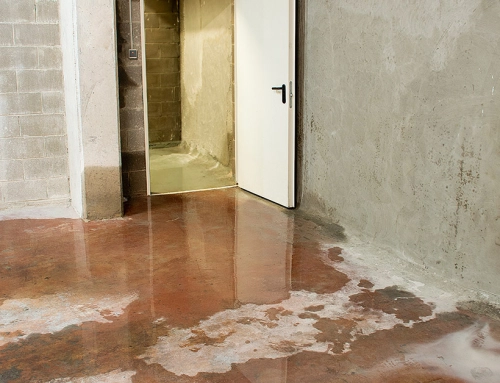
 Selling a Massachusetts house from out of state? Learn how remote owners can handle access, repairs, documents, inspections, and as-is cash sale options.
 Sell a distressed property in Boston? Learn your options for repairs, as-is sales, pricing, and a faster home sale.
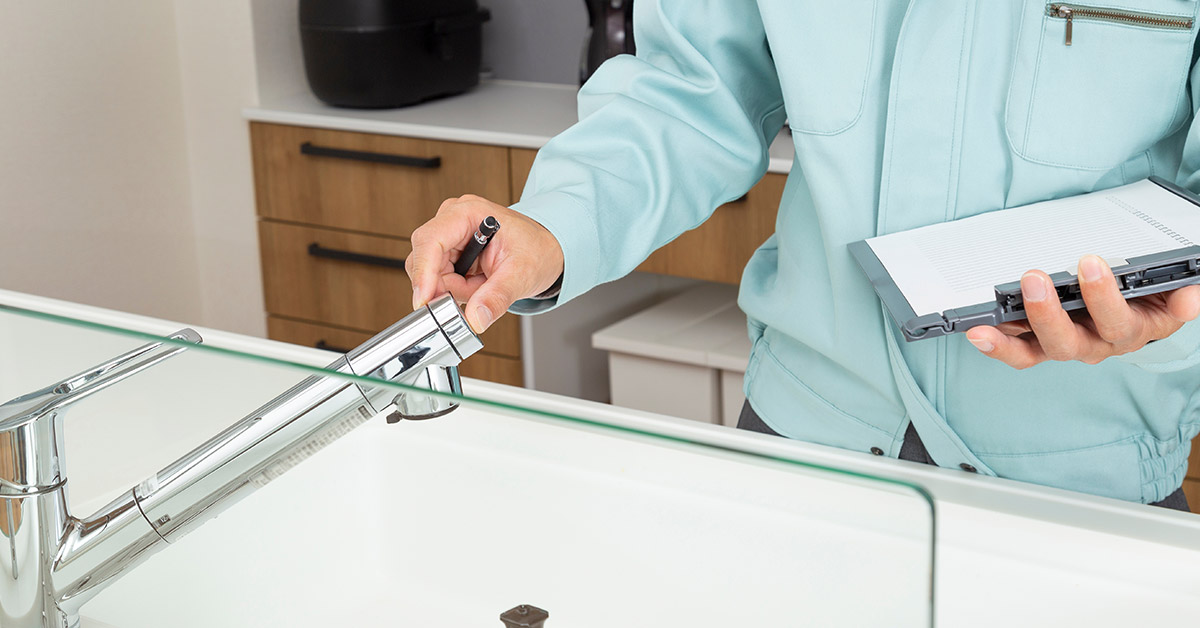 Did your Boston home sale fail after the buyer inspection? Learn what sellers can do next, from repairs and credits to selling as is for cash.