How to Sell a House After a Contractor Walked Off the Job

Table of Contents
A contractor walking off the job can turn a home renovation into a half-finished problem you never wanted. Maybe the kitchen is gutted. Maybe the bathroom is missing fixtures. Maybe the walls are open, the floors are torn up, the porch is half-built, or the addition never made it past framing. Maybe the contractor stopped answering calls. Maybe the project ran out of money. Maybe the permit is still open. Maybe another contractor looked at the work and gave you the kind of face nobody wants to see.
Now you are left with a house that is not finished, not easy to show, and not simple to sell.
If you own a property in Massachusetts after a contractor walked off the job, you may be wondering if you can still sell it.
Yes, you can.
But an unfinished renovation changes the sale. Buyers will ask what happened, what work was completed, whether permits were pulled, whether inspections passed, whether subcontractors were paid, and how much it will cost to finish or fix the project.
The house may still have strong value, especially in Boston and Greater Boston. But the buyer pool will be different, and the sale strategy matters.
Unfinished Contractor Work Is More Common Than Sellers Think
Home improvement projects fail for many reasons.
A contractor may take on too much work. A subcontractor may disappear. Costs may rise. Materials may be delayed. The homeowner and contractor may disagree about payment, quality, or scope. The project may fail inspection. The contractor may lose their license or registration. Sometimes the contractor simply stops showing up.
The result is the same: the owner is left with an unfinished house.
In Boston and surrounding communities, this can be especially difficult because many homes are older. A renovation in Dorchester, Roslindale, Mattapan, Hyde Park, Jamaica Plain, East Boston, Roxbury, Quincy, Somerville, Medford, Malden, Revere, Brookline, Newton, or Cambridge may uncover old wiring, old plumbing, lead paint, structural issues, water damage, or code problems that were not obvious at the start.
What began as a simple project can become a much larger repair.
A contractor walking away may not mean the property has no value. It means the next buyer has to understand what they are taking on.
First, Figure Out What Is Actually Finished
Before selling, you need a clear picture of the work.
What was completed? What was started but not finished? What was demolished? What materials are on site? What inspections passed? What permits are open? What work failed inspection? What work was done without a permit? What was paid for? What remains unpaid?
This information matters because buyers will not price the property based on your original plan. They will price it based on the current condition.
A half-finished kitchen is not the same as a permitted kitchen renovation waiting for cabinets. An open wall with rough electrical and plumbing is not the same as a wall opened by someone who never pulled permits. A framed addition with inspections is not the same as a framed addition that may need to be removed.
Buyers want to know whether they are finishing a project or undoing someone else’s mistake.
Those are very different budgets.
Permits Can Make or Break the Sale Conversation
Permits matter when selling a house with unfinished contractor work.
Boston warns that work done without required permits can be unsafe, create legal problems, affect homeowner’s insurance, and make the property harder to sell later. Boston also says a long-form permit may be needed for major alterations or renovations that change the structure or use of a home, building, or lot.
If permits were properly pulled, buyers may feel more comfortable, even if the project is unfinished. They can see what was approved, what inspections happened, and what remains.
If permits were not pulled, the buyer may worry that the work needs to be opened, corrected, reinspected, or removed. If the work affects structure, electrical, plumbing, HVAC, decks, porches, additions, basements, or occupancy, that concern can grow quickly.
Open permits can also complicate closing. A buyer may ask for them to be closed before closing, transferred where allowed, or priced into the offer. A lender may care if the unfinished work affects safety or habitability.
For sellers, the first step is simple: find out what permits exist before the buyer does.
Check Whether the Contractor Was Registered or Licensed
If the contractor abandoned the project, check their status.
Massachusetts requires many contractors, subcontractors, partnerships, and corporations that solicit, bid on, or perform work on existing owner-occupied residential properties with one to four units to be registered as Home Improvement Contractors. Depending on the project, other licenses may also matter, such as a construction supervisor license for certain structural work or licensed trades for electrical and plumbing work.
Massachusetts guidance also lists abandoning or failing to perform a contract or project without justification as conduct that can lead to discipline for registered contractors.
This does not mean every contractor dispute is simple. It also does not mean you should stop the sale while trying to fight the contractor. But it does mean you should gather the contract, invoices, messages, permit records, photos, payment proof, and any registration or license information you have.
If there may be unpaid subcontractors or suppliers, talk with a Massachusetts real estate attorney before selling. You do not want a surprise lien issue to appear during title review.
How Unfinished Renovations Affect Buyer Confidence
Buyers do not like uncertainty.
An unfinished renovation creates a lot of it.
They may wonder if the work was done correctly. They may wonder why the contractor left. They may wonder whether the budget exploded because hidden problems were found. They may wonder if the project failed inspection. They may wonder whether the house is safe, insurable, financeable, or livable.
Even if the buyer likes the location, unfinished work can make them pause.
A buyer looking for a move-in-ready home will probably not want the project. A first-time buyer using a standard mortgage may have trouble if the house is not functional. A buyer who needs financing may face appraisal or lender concerns if there is missing flooring, exposed framing, open walls, incomplete bathrooms, damaged stairs, or unsafe conditions.
That does not mean nobody will buy the house.
It means the best buyer may be an investor, contractor, cash buyer, or someone comfortable taking on a project.
Should You Finish the Work Before Selling?
Sometimes finishing the project before selling makes sense.
If the renovation is almost complete, permits are in order, the remaining work is clear, and you have the money and patience to hire someone reliable, finishing may help attract more buyers and improve the sale price.
But finishing is not always the best choice.
A new contractor may charge more to take over someone else’s unfinished work. They may want to inspect everything that was already done. They may find mistakes. They may need to reopen walls. They may refuse to use materials left behind. They may require new permits, corrections, or inspections.
The project can become more expensive than expected.
If the house also has other issues, such as old wiring, old plumbing, roof damage, water damage, foundation problems, pest damage, tenant problems, or code violations, finishing one renovation may not solve the larger sale problem.
Before spending more money, ask whether the work will actually increase your net sale enough to justify the cost and delay.
Sometimes finishing the project is smart.
Sometimes it is just throwing new money into an old hole with better lighting.
Selling With Open Walls, Missing Fixtures, or Partial Demolition
A house can be sold with open walls, missing fixtures, or partial demolition, but the buyer pool becomes smaller.
Traditional buyers may struggle to imagine the finished home. Lenders may worry about condition. Insurance companies may ask questions. Inspectors may flag safety concerns. Appraisers may not be able to support the contract price if the property is incomplete.
If a bathroom is gutted, a kitchen is missing, or major systems are exposed, the buyer may need cash or renovation financing. That limits demand.
The more incomplete the house is, the more the sale becomes about project value instead of retail value.
A move-in-ready buyer sees a problem.
A project buyer sees a spreadsheet.
That is why marketing matters. The property should not be presented like a finished home if it is not one. It should be positioned honestly as an unfinished renovation, as-is property, or contractor project.
What If the Work Was Poorly Done?
Sometimes the contractor did not just leave the job unfinished. Sometimes the work that was done is bad.
This can be worse than no work at all.
A buyer may need to pay to remove poor workmanship before starting over. Bad framing, improper electrical, sloppy plumbing, unsafe stairs, bad waterproofing, wrong materials, or unpermitted structural changes can turn a renovation into a repair project.
If you know the work is defective, do not pretend it is nearly finished. Buyers will likely find out during inspection or contractor review. If the work was not permitted or did not pass inspection, be prepared for that to affect price.
A clean, honest as-is sale may be better than trying to dress up a failed renovation as “almost done.”
Almost done can mean many things.
In real estate, it often means “please bring money.”

How an Abandoned Project Affects Price
An unfinished contractor project usually affects price because it affects risk.
The buyer has to estimate the cost to finish, correct, permit, inspect, insure, and carry the property. They also have to account for hidden problems they cannot see yet.
If the project is well documented, permitted, and mostly complete, the discount may be smaller.
If the project is undocumented, partially demolished, unsafe, or badly done, the discount may be larger.
Buyers may also subtract for time. They may need months to finish the work. During that time, they may pay taxes, insurance, utilities, financing costs, and contractor bills before the property can be occupied, rented, or resold.
For Boston and Greater Boston properties, location can still support strong value. But even in a strong market, unfinished work is not free.
Buyers do not pay full finished-home pricing for a house that still needs a contractor, permits, and courage.
Documents to Gather Before Listing or Selling As Is
If a contractor walked off the job, gather every document you can.
Look for the signed contract, change orders, invoices, receipts, proof of payment, permit records, inspection results, drawings, plans, text messages, emails, photos, videos, material receipts, subcontractor information, and any notices from the city or town.
If there are open permits, get copies. If inspections passed, keep proof. If inspections failed, keep that too. A serious buyer would rather see the real status than guess.
If you paid for materials that are still on site, document them. If subcontractors or suppliers may be unpaid, speak with an attorney.
If the contractor stopped communicating, save the communication history. This can help explain the timeline and may matter if there is a complaint, claim, or dispute.
Good records do not make the renovation finished.
But they make the sale cleaner.
Selling As Is After a Contractor Walked Off
Selling as is means the buyer purchases the property in its current condition. The seller does not agree to finish major repairs or renovations before closing unless the contract says otherwise.
For a house with an abandoned contractor project, selling as is can be a practical option.
The buyer can inspect the property, review the permits and documents, estimate the cost to finish or correct the work, and make an offer based on current condition. The seller does not need to find a new contractor, restart the project, manage inspections, or spend more money before selling.
This can be especially helpful if the property is vacant, inherited, tenant-occupied, damaged, or already has other old-house issues.
For We Buy Old Properties, this type of situation fits the company’s work. The company buys older homes and as-is properties in Boston and surrounding Massachusetts communities, including homes with unfinished renovations, abandoned contractor projects, open permits, repair problems, and difficult timelines.
The offer will reflect the unfinished work. But it may also give the seller a faster path out of a project that has already taken too much time, money, and patience.
Why Cash Buyers Can Be a Better Fit
Cash buyers can be a better fit when a contractor walked off the job because they are often more comfortable with unfinished, damaged, or repair-heavy properties.
A traditional buyer may need the home to meet lender requirements. If the house is missing a kitchen, bathroom, flooring, heat, safe stairs, or finished walls, financing can become difficult. A cash buyer can evaluate the property directly and decide whether the project makes sense.
Cash buyers may also be more comfortable dealing with permits, contractors, cleanout, and unfinished work after closing.
That does not mean a cash buyer ignores the problem. They will price it. Unfinished renovations can be expensive and risky. But an experienced buyer may be able to move forward when a standard buyer cannot.
For a seller, the comparison should be practical.
What would it cost to finish the project? How long would it take? What could go wrong? What would the house sell for after repairs? What are you paying in taxes, insurance, utilities, mortgage, and stress while waiting?
Then compare that with a direct as-is offer.
The best answer may not be the highest theoretical sale price. It may be the cleanest closing.
Be Careful With Contractor Complaints and Legal Claims
If a contractor abandoned the job, you may have options through a complaint, arbitration, legal claim, or the Massachusetts Home Improvement Contractor Program, depending on the facts. Mass.gov’s homeowner resources note that arbitration may be available for certain contractor disputes, and that contractors who violate a contract can face consequences including suspension, revocation, fines, or prosecution.
That said, a contractor dispute can take time.
You may still be able to sell the house while separately deciding what to do about the contractor. But you should talk with an attorney before signing anything if there are claims, liens, unpaid bills, open permits, or a pending dispute.
Do not assume the sale and the contractor dispute are totally separate. Sometimes they connect through title, permits, money owed, or documents the buyer wants.
The goal is to avoid surprises at closing.
Real estate closings do not enjoy surprises. They prefer paperwork and quiet.

 Uninhabitable house in Massachusetts? Learn how condemnation orders, repairs, and financing affect selling your property as-is.
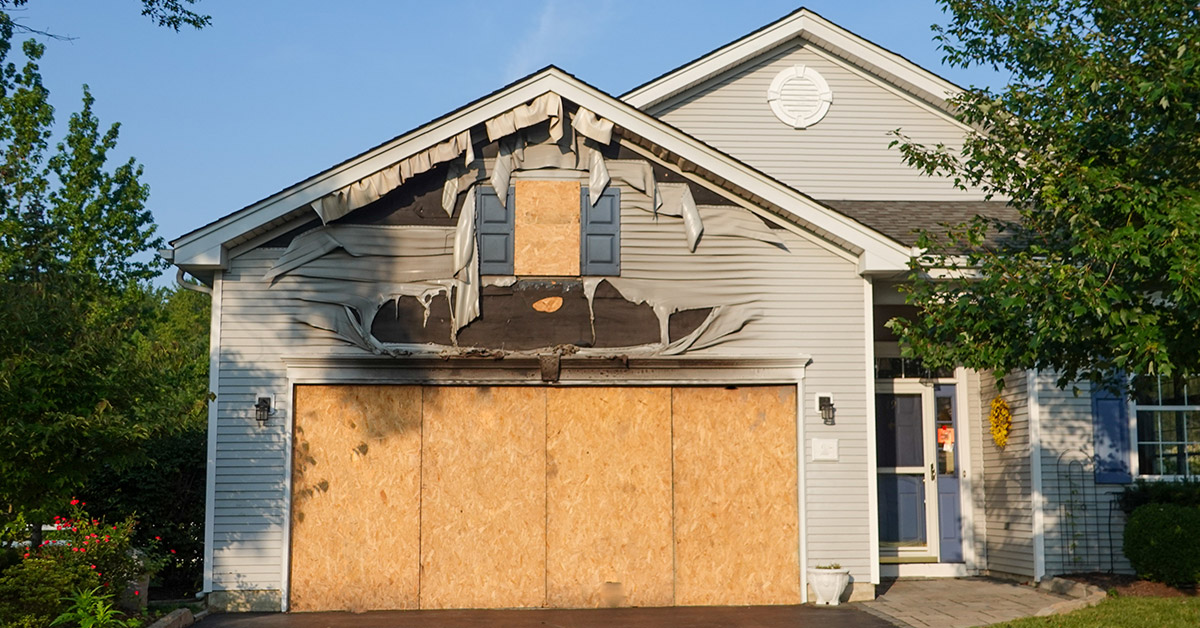 Collapsing garage in Massachusetts? Learn how repairs, demolition, inspections, and financing affect selling your house as-is.
 Failing retaining wall in Massachusetts? Learn how repairs, permits, inspections, and financing affect selling your house as-is.